13 Best Open Source Alternatives to VMware

13 open source alternatives100% OSI-approved licensesUpdated June 2026

VMware earned its reputation. vSphere and ESXi are rock-solid, and for years they were the default way enterprises ran virtual machines at scale, with mature tooling for live migration, high availability, and storage. What changed is the business around it. Since the Broadcom acquisition, the product lineup was reshaped into bundled subscriptions and perpetual licenses went away, leaving a lot of shops facing renewal quotes far above what they used to pay for the same hosts.

The open source hypervisors and management platforms below run the same kind of production VM workloads - clustering, snapshots, live migration, role-based access. You keep your virtualization on hardware you own, with image formats you can move, and the cost no longer rides on a vendor's renewal strategy.

QEMU logo

1.QEMU

13.3kOtherC Self-host
QEMU screenshot

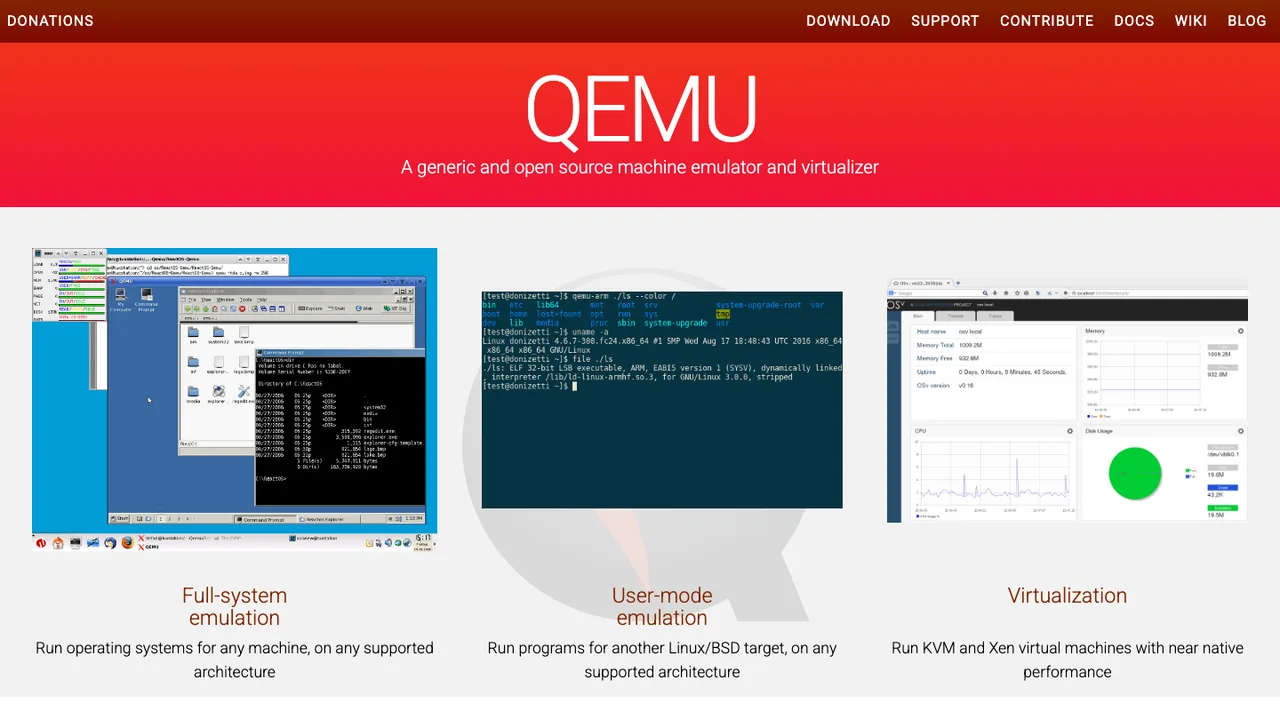
QEMU emulates a complete machine in software, so an operating system or binary built for one CPU architecture runs on a host with a different one. With no hardware virtualization it emulates everything; paired with KVM or Xen it hands the CPU to the hypervisor and runs guests at near-native speed. This is the engine underneath much of the Linux virtualization stack.

  • Complete machine emulation in software
  • Userspace API virtualization for Linux and BSD
  • Works with Xen and KVM hypervisors
  • Stable command line interface and monitor API
KubeVirt logo

2.KubeVirt

6.9kApache-2.0Go Self-host
KubeVirt screenshot

KubeVirt lets a Kubernetes cluster run virtual machines next to containers by adding a VirtualMachine resource type through Custom Resource Definitions. VMs become first-class cluster objects, scheduled, networked, and managed with the same kubectl, RBAC, and API workflows as the rest of the cluster.

  • VirtualMachine resource type via Kubernetes CRDs
  • Create, schedule, launch, stop, and delete VMs with kubectl
  • Runs guest VMs through libvirt and QEMU inside pods
  • Controllers and agents install onto an existing cluster
Fleet logo

3.Fleet

6.5kOtherGo Self-host
Fleet screenshot

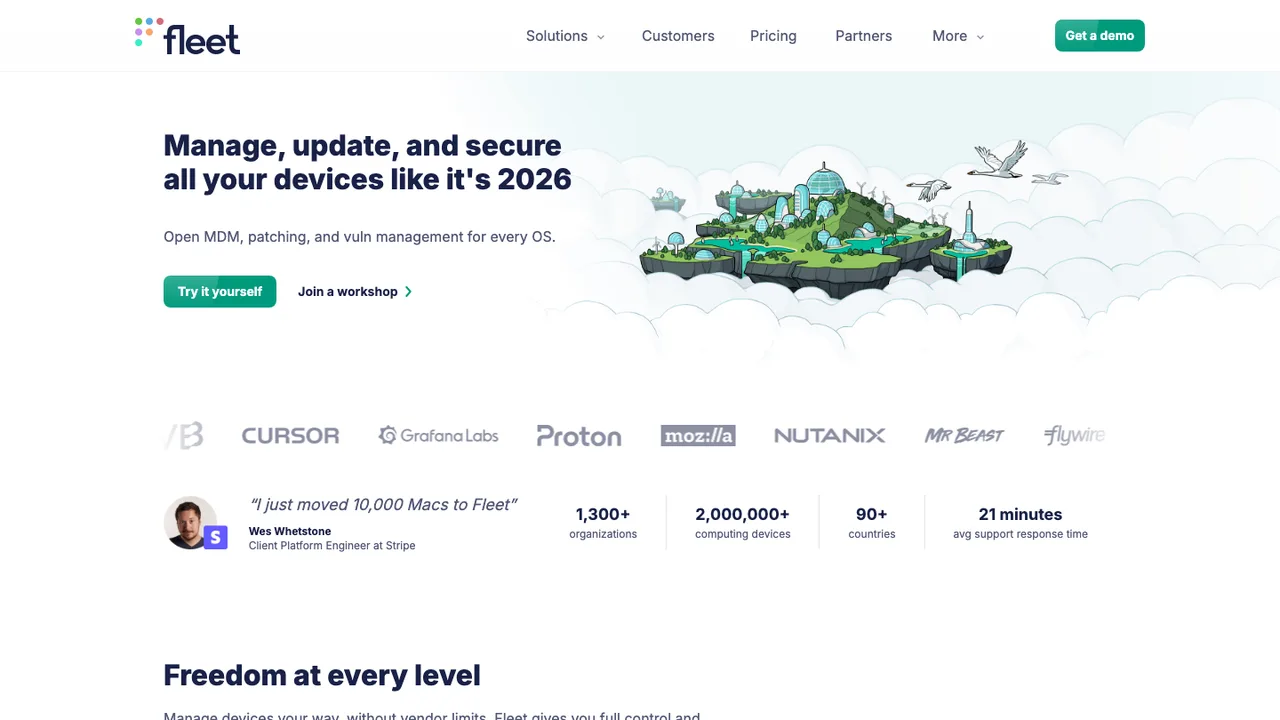
Fleet is an open-source platform for IT and security teams that need one system to manage devices over the air. It handles MDM, patching, software deployment, and verification across the operating systems in an organization, with APIs, GitOps, webhooks, YAML, and a GUI.

  • MDM, patching, software deployment, and verification
  • GitOps, GUI, REST API, and webhook control
  • Diagnostics and audit evidence collection
  • CIS benchmarks for macOS and Windows
OpenStack logo

4.OpenStack

5.9kApache-2.0Python Self-host
OpenStack screenshot

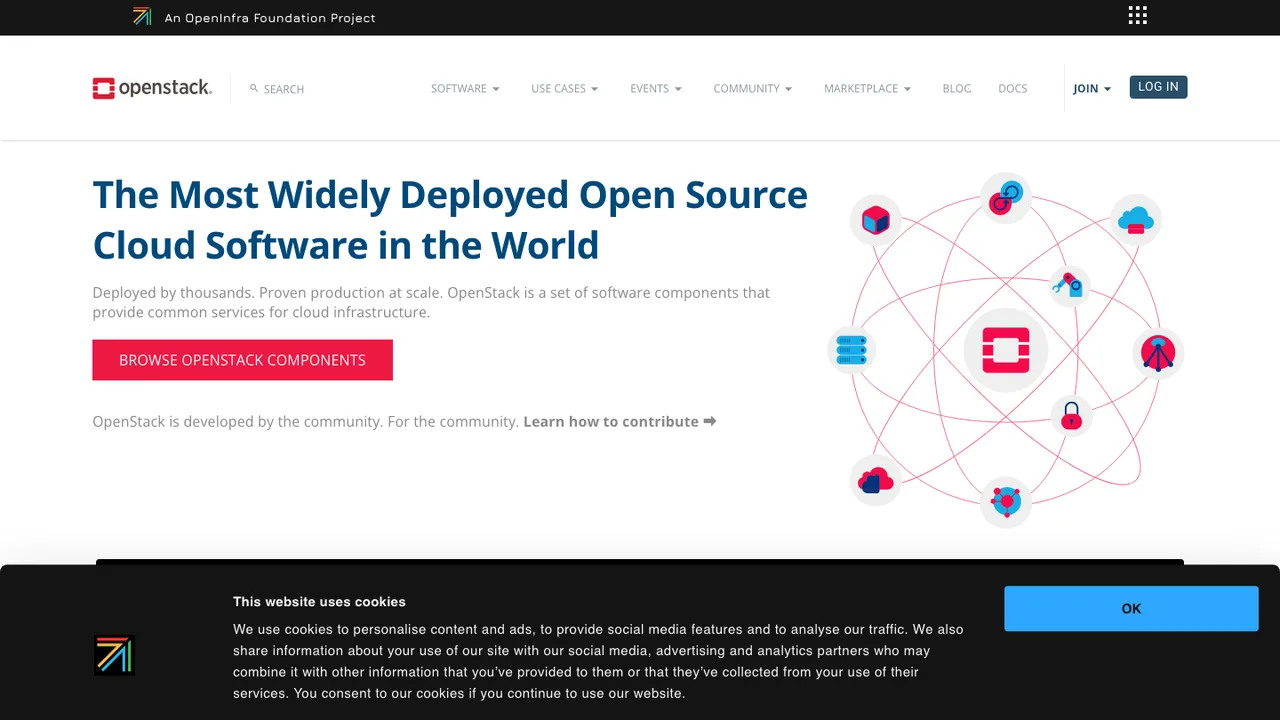
OpenStack is an open source cloud computing infrastructure. It is a collection of interoperable components that deploy together to provide computing, networking, and storage resources, which end users then consume through programmable APIs.

  • Compute, networking, and storage as cloud resources
  • Programmable APIs for every service
  • Modular components for private or public clouds
  • Continuous integration of tested combinations
Cloud Hypervisor logo

5.Cloud Hypervisor

5.8kOtherRust Self-host
Cloud Hypervisor screenshot

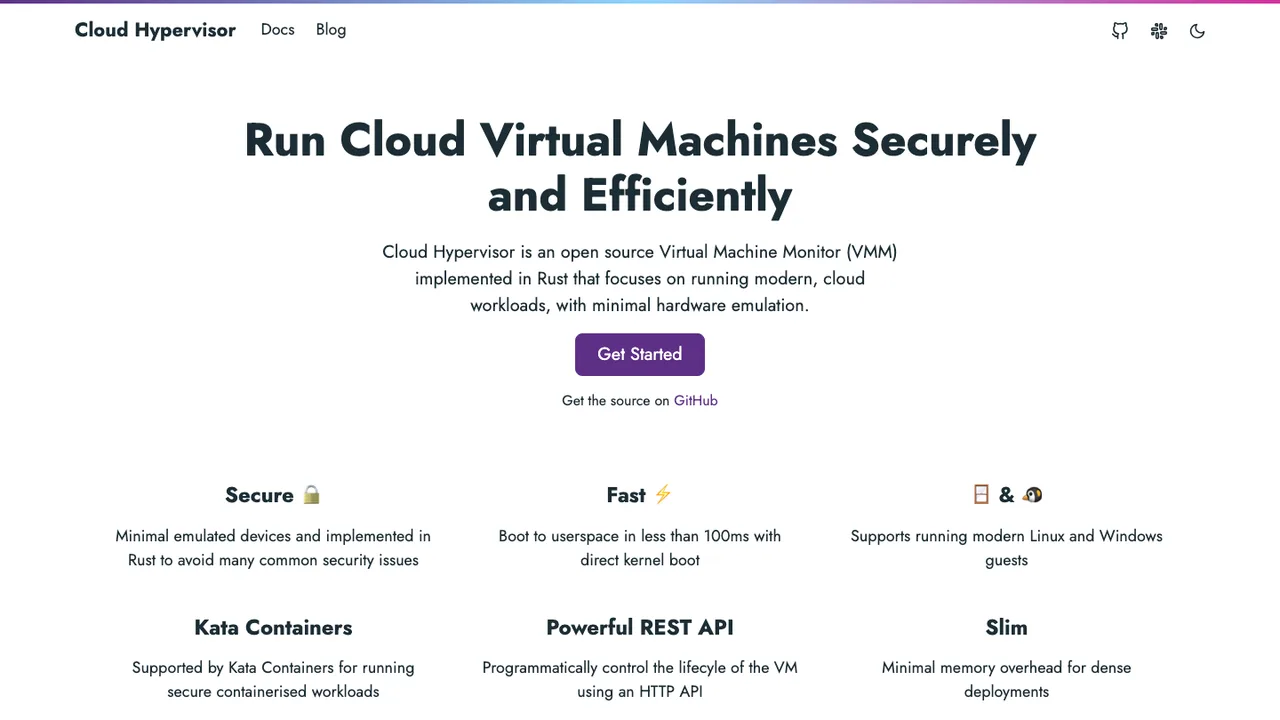
Cloud Hypervisor runs Linux and Windows guests on top of KVM or Microsoft Hypervisor, trading the broad device support of a full emulator for a lean, security-focused VMM aimed at modern cloud workloads. Minimal emulation means low latency, a small memory footprint, and a reduced attack surface.

  • Runs on KVM or Microsoft Hypervisor
  • Direct kernel boot or firmware boot
  • CPU, memory, and PCI hotplug
  • vhost-user device offload
Incus logo

6.Incus

5.5kApache-2.0Go Self-host
Incus screenshot

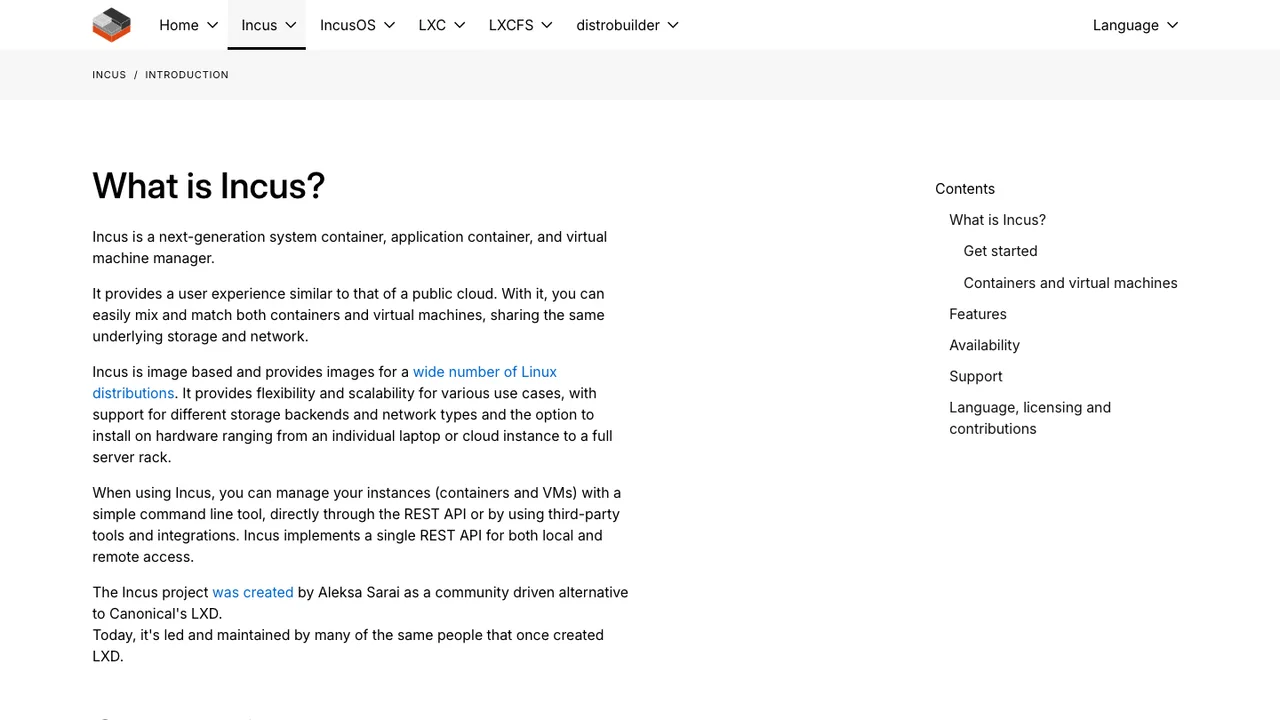
Incus manages system containers and virtual machines through a single tool and REST API, so a lightweight container and a full VM are provisioned, configured, and clustered the same way. It suits private-cloud style setups that scale from one laptop to a clustered datacenter rack, for development or production.

  • Manage Linux containers and virtual machines together
  • REST API for programmatic control
  • Supports images for many Linux distributions
  • Scales from one instance to a data center rack
Harvester logo

7.Harvester

5.1kApache-2.0Go Self-host
Harvester screenshot

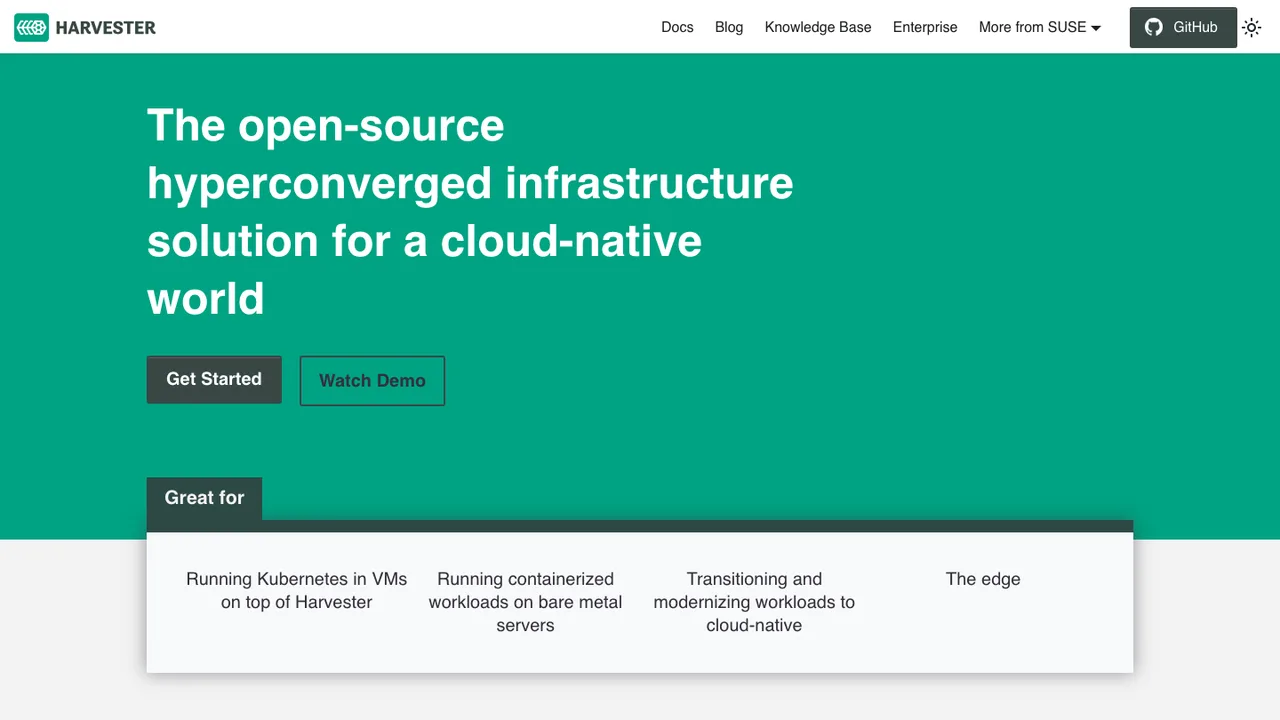
Harvester turns a cluster of bare-metal servers into a hyperconverged platform where VMs, storage, and networking are all driven through the Kubernetes API, so the same tooling manages virtual machines and containers side by side. It targets teams that want datacenter virtualization without a separate proprietary stack.

  • VM create, edit, clone, delete, and live migration
  • VM backup, snapshot, and restore
  • Storage volumes with create, edit, clone, export
  • VIP, NIC, VLAN, and untagged network setup
LXD logo

8.LXD

4.8kAGPL-3.0Go Self-host
LXD screenshot

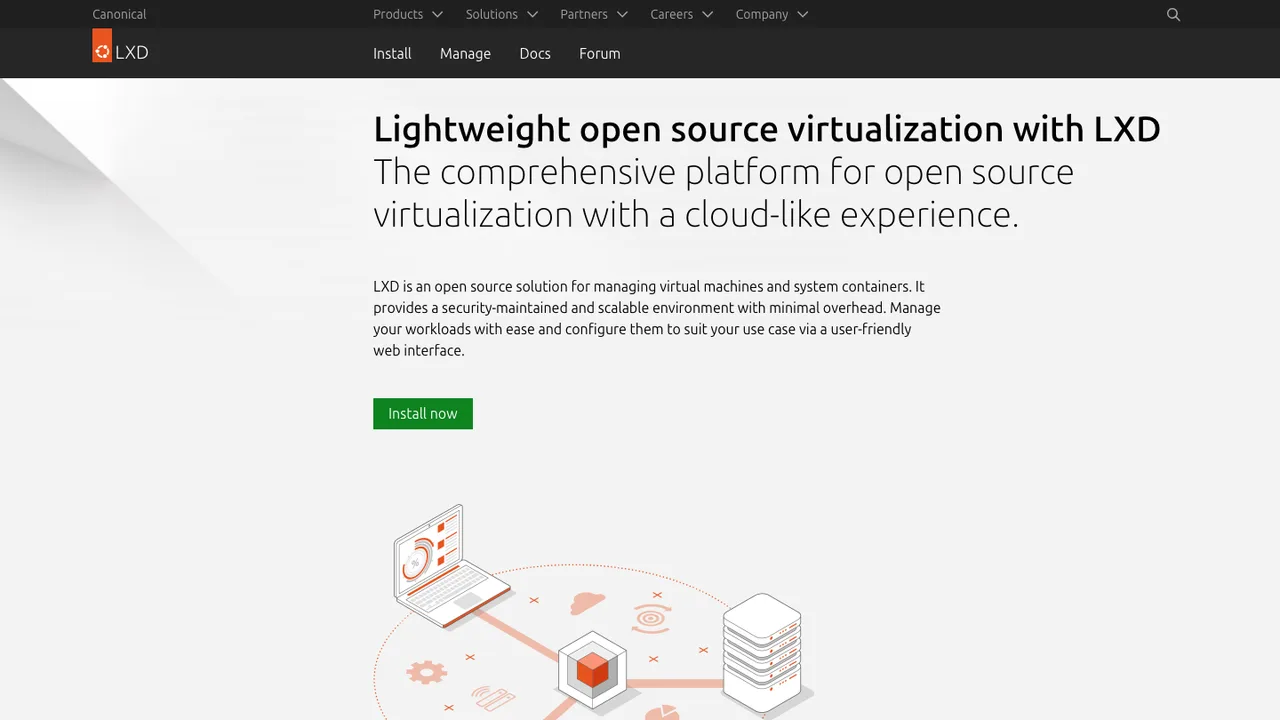
LXD runs full Linux systems as either lightweight system containers or virtual machines, managed the same way through one daemon and REST API. It scales from a single instance on a laptop to a clustered datacenter rack, for development or production workloads, giving low-touch virtual infrastructure without a heavy management stack.

  • Runs full Linux systems in containers or virtual machines
  • REST API for managing instances and clusters
  • Supports official Ubuntu images and community images
  • lxc client on Linux, Windows, and macOS
Apache CloudStack logo

9.Apache CloudStack

2.9kApache-2.0Java Self-host
Apache CloudStack screenshot

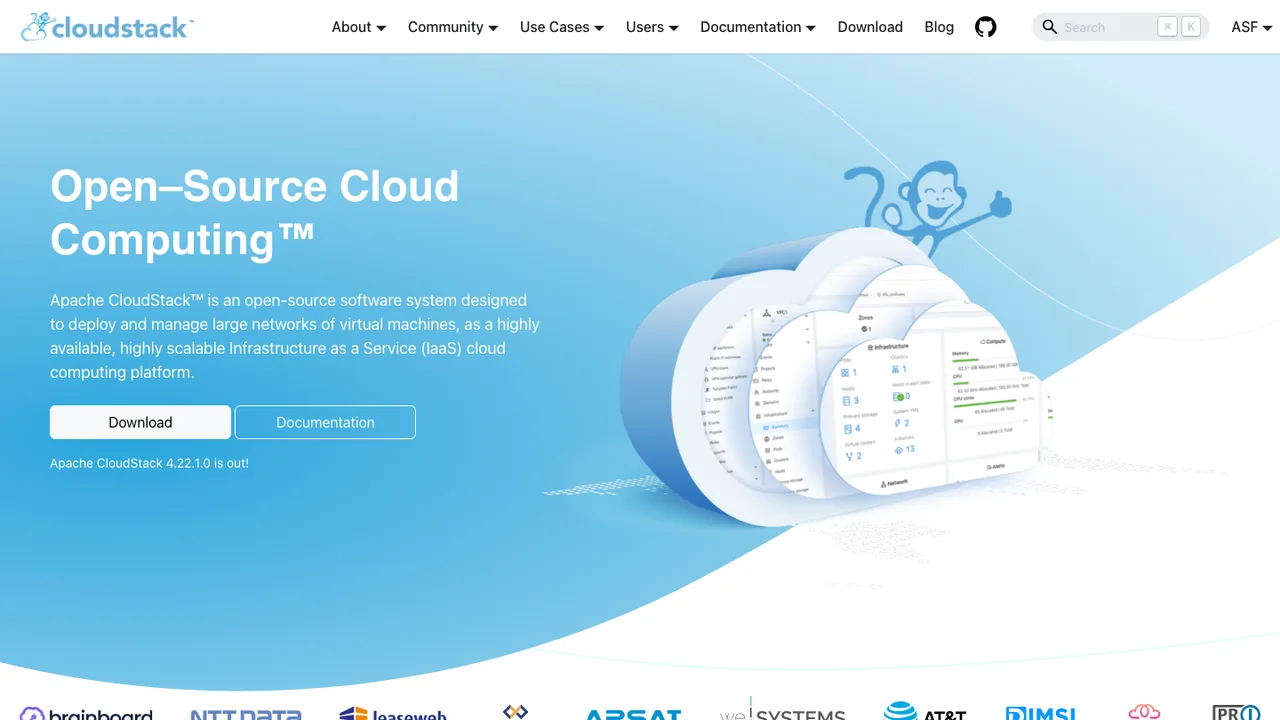
Apache CloudStack is an Infrastructure as a Service platform for deploying and managing large networks of virtual machines. Service providers run it to offer public cloud services, and companies use it for on-premises private clouds or as part of a hybrid setup.

  • Compute orchestration for large VM networks
  • Network-as-a-Service and resource accounting
  • User and account management with native API
  • Web interface, CLI tools, and query based API
OpenNebula logo

10.OpenNebula

1.7kApache-2.0JavaScript Self-host
OpenNebula screenshot

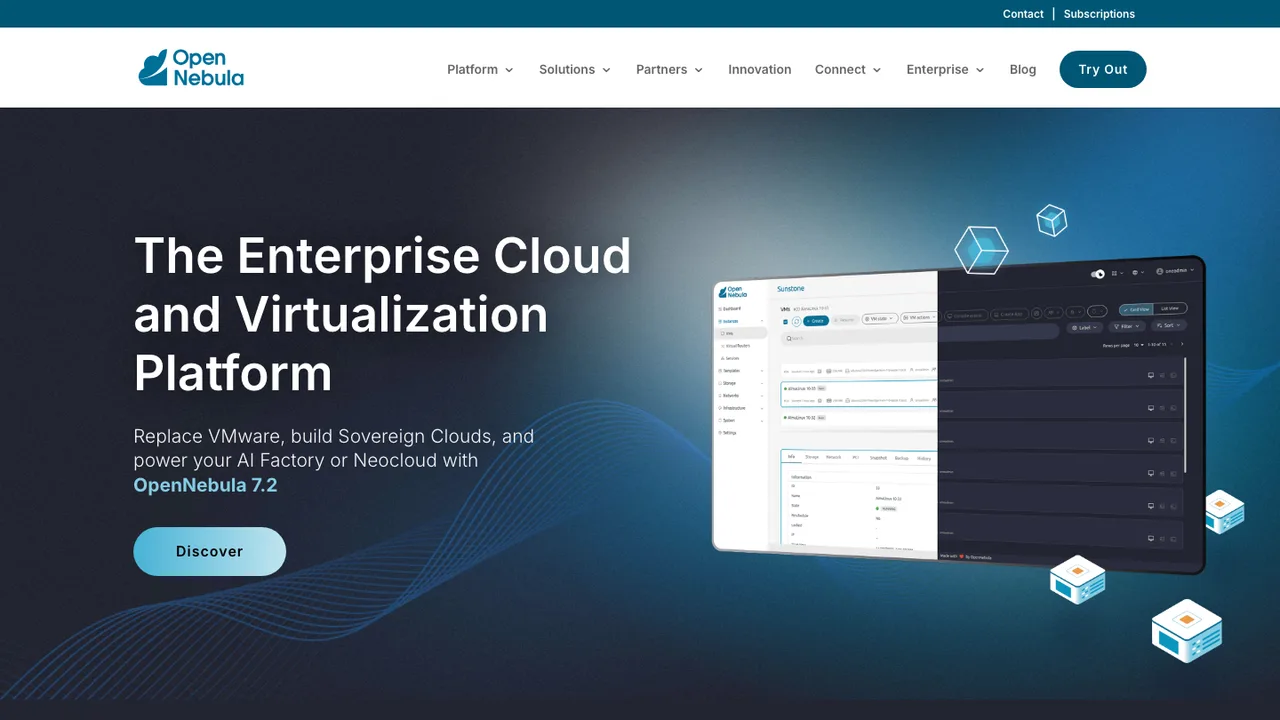
OpenNebula is an open source platform for building and managing enterprise clouds. It combines virtualized services, containerized applications, and serverless computing in a single system, and is widely adopted by teams replacing VMware with infrastructure under their own control.

  • Build and manage enterprise private clouds
  • Run virtualized, containerized, and serverless workloads
  • KVM and LXC virtual machine hosts
  • Front-end node for centralized cloud management
XCP-ng logo

11.XCP-ng

1.6kGPL-2.0Python Self-host
XCP-ng screenshot

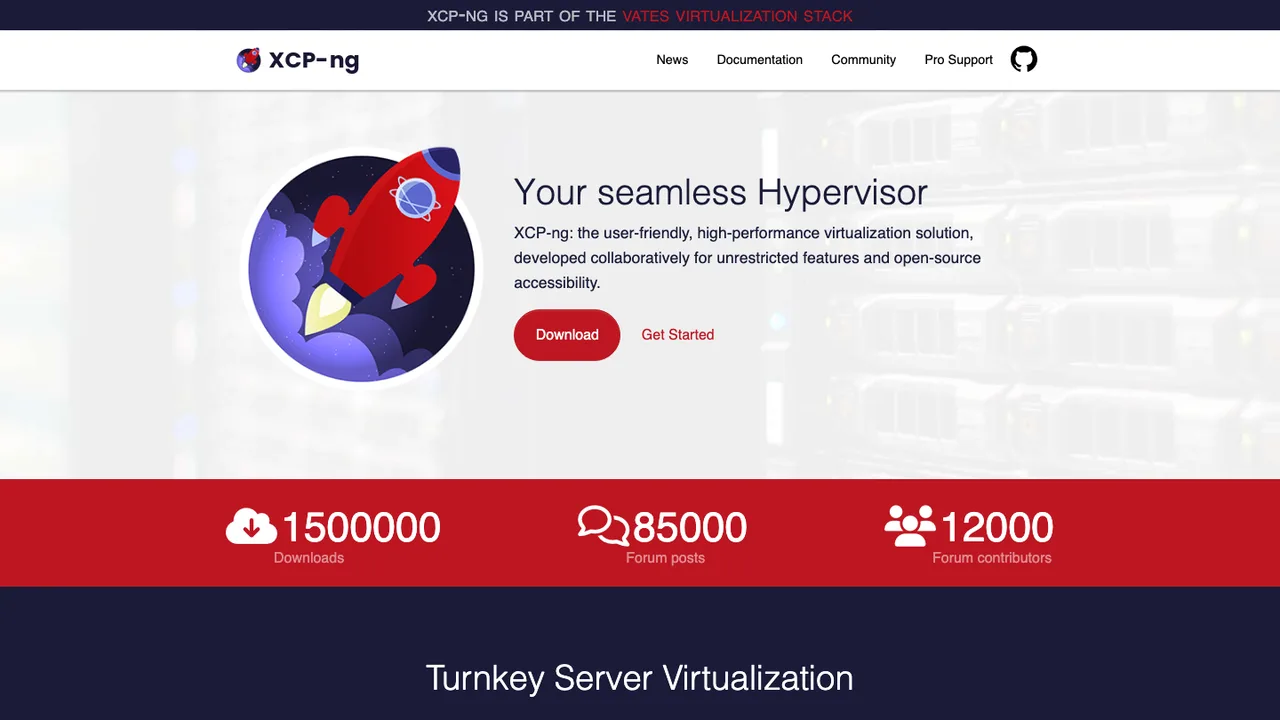
XCP-ng is a turnkey virtualization platform built on the Xen hypervisor and the XenServer codebase, installed on bare metal as a ready-to-run appliance. Unlike the commercial products it descends from, every feature is open and free with no paywalls or license tiers, making it a self-hosted alternative to proprietary virtualization.

  • Run, snapshot, live migrate, and grow VM workloads
  • Manage hosts over CLI, GUI, and the XAPI API
  • Xen Orchestra web console for administration and backup
  • Runs virtual machines and containers
oVirt logo

12.oVirt

601OtherJava Self-host
oVirt screenshot

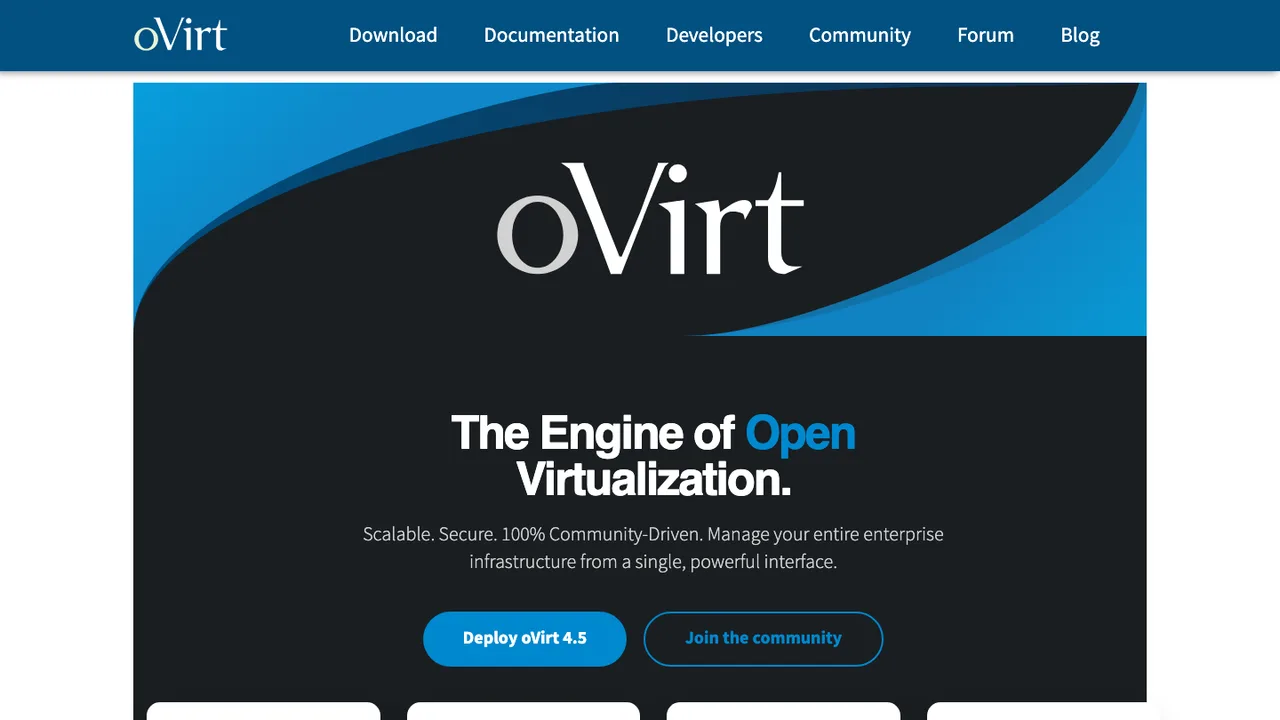
oVirt manages an enterprise fleet of KVM virtual machines from a single web console, handling hosts, storage, networking, and VM lifecycle across the whole datacenter rather than one hypervisor at a time. It targets organizations that want self-hosted virtualization management instead of a proprietary platform.

  • Central web console for KVM hosts and VMs
  • Live migration of running VMs between hosts
  • High availability for VM recovery on host failure
  • Storage and networking managed across the datacenter
Proxmox VE logo

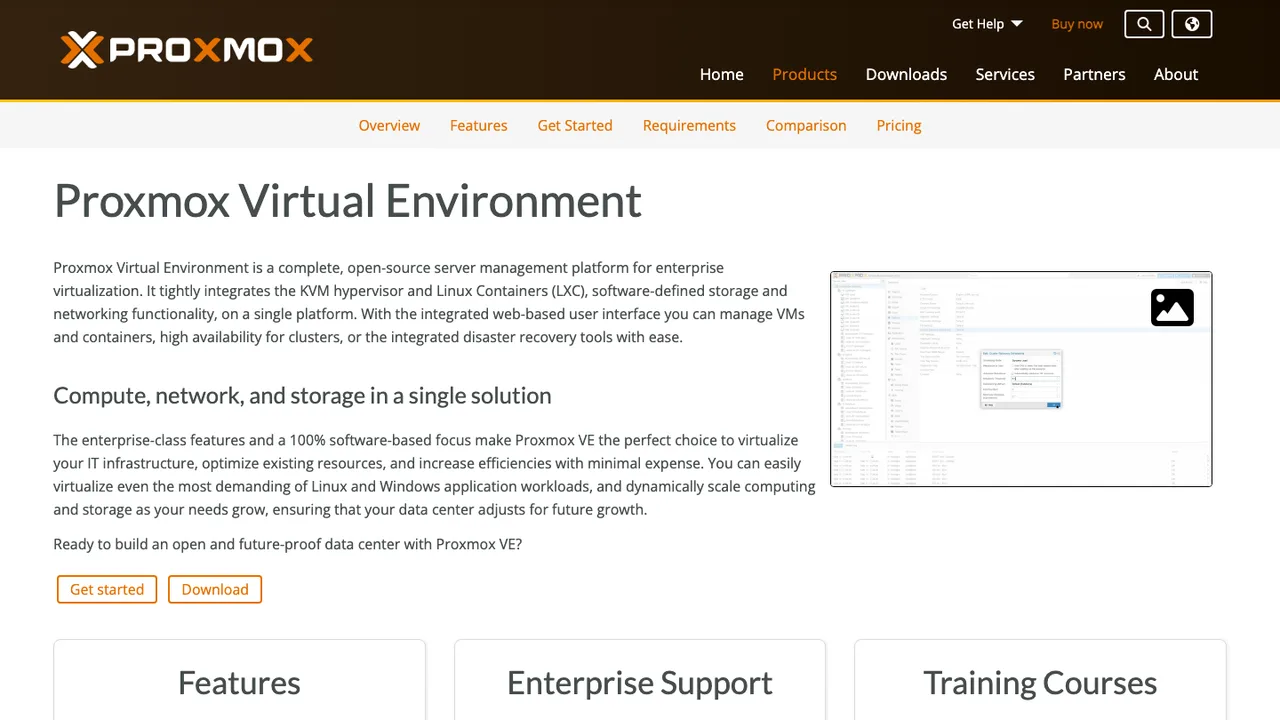
13.Proxmox VE

80OtherJavaScript Self-host
Proxmox VE screenshot

Proxmox VE runs both KVM full virtualization for Windows and Linux and lightweight LXC system containers on the same server, managed from one web console and REST API. It is a complete, self-hosted alternative to proprietary virtualization platforms for running and organizing workloads on your own hardware.

  • KVM full VMs and LXC containers on one host
  • Clustered nodes with HA clustering and live migration
  • Integrated Ceph and ZFS software-defined storage
  • Software-defined networking

Related alternatives