Is n8n actually open source, and does switching reduce cost?+
Licensing and cost are separate questions. n8n has historically used a source-available license rather than a standard OSI-approved open source license, so verify the current terms before treating it as open source. Switching may reduce license exposure, but you still pay for hosting, monitoring, upgrades, backups, and time spent rebuilding workflows.
How much work is it to migrate an n8n workflow?+
The effort depends less on workflow count than on node diversity. Ten workflows that use the same HTTP pattern are easier than two workflows built around waits, binary files, custom JavaScript, and obscure connectors. Budget time to document inputs and outputs, rebuild logic, validate retries, and compare results against n8n executions before you turn anything off.
What exports should I take before shutting n8n down?+
Export workflow definitions, credential inventory, environment variables, webhook paths, schedules, sample payloads, and any custom code snippets. If you need evidence for audits, export execution logs or screenshots before retention policies remove them. The workflow JSON is useful for reading node settings and expressions, but it should not be treated as an import file for another engine.
Will my n8n credentials and secrets transfer?+
Do not assume secrets will transfer. n8n stores credentials separately from workflow logic, and exported workflows usually reference credentials rather than carrying usable secrets. Build a new secret inventory, rotate anything stale, and re-enter values through the target system's credential store. This is also a good point to remove shared personal tokens and replace them with service accounts.
How do webhook-based automations change after migration?+
Webhook URLs are part of the contract with outside systems, so plan them like an API migration. The new tool will usually generate different paths, signing behavior, or response timing. Update providers, preserve old endpoints with a proxy if possible, and test retries from the sender. Pay special attention to workflows where n8n returns data synchronously to the caller.
Should I expect every n8n node to have a direct replacement?+
No. Some common services will map cleanly, but node behavior is rarely identical. n8n nodes can hide pagination, rate-limit handling, field mapping, file handling, and authentication details. When there is no equivalent node, use raw HTTP requests, a small script, or a custom integration. Validate edge cases instead of checking only the happy path.
Do open source alternatives keep the same visual builder experience?+
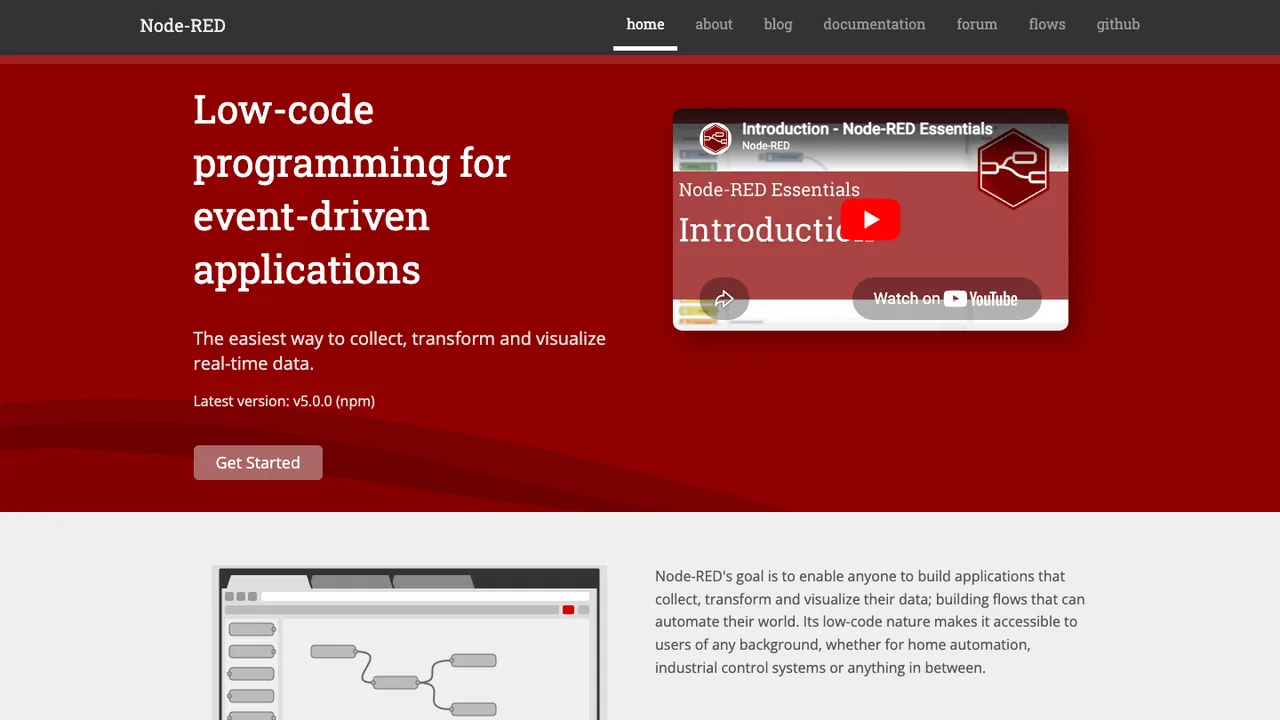
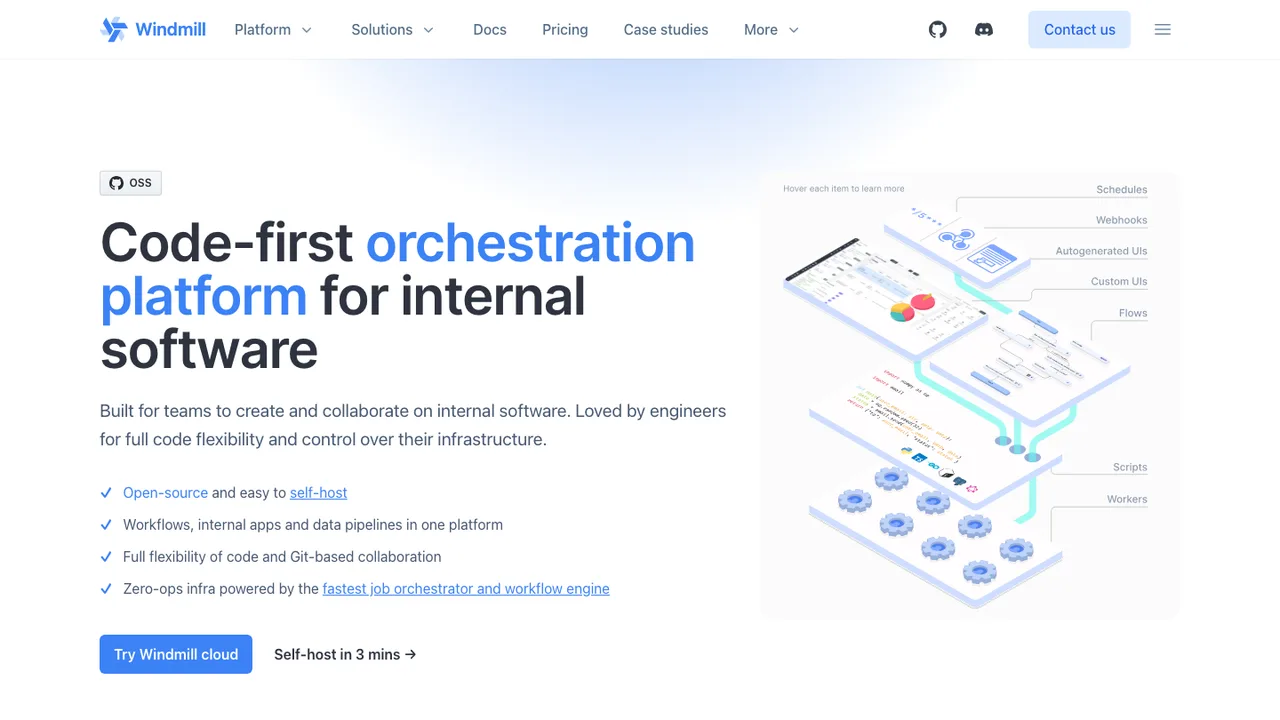
Some open source replacements have visual builders, while others are code-first or configuration-first. If your team relies on non-developers editing automations, prioritize usability, validation messages, and safe credential handling in the editor. If developers own the workflows, a less visual model may be acceptable because changes can go through code review and automated tests.
What should self-hosting teams plan for beyond installing the replacement?+
Plan for the runtime, not just installation. You need durable storage, queue or worker sizing, log retention, backup restores, TLS, secret management, and upgrade testing. n8n often centralizes these concerns in one familiar admin surface. A replacement may split them across the application, database, scheduler, and container platform, which changes who owns incidents.
How should I evaluate security when replacing n8n?+
Look at how the replacement stores credentials, scopes access, logs workflow data, and handles untrusted code. Automation systems often touch production APIs, customer data, and internal webhooks, so a small permission mistake can be expensive. Prefer designs that support secret rotation, least-privilege service accounts, audit logs, and clear separation between development and production workflows.
Will team permissions map cleanly from n8n?+
Usually not cleanly. n8n team structures, credential sharing rules, folders, and execution visibility do not have a universal schema. Before migration, list who can edit workflows, run them manually, view logs, and use each credential. Recreate those rules intentionally in the new system instead of giving broad access just to make migration faster.
Where do scheduled jobs and queues usually break during a switch?+
Breakage often appears around timeouts, retries, and concurrency. n8n has its own behavior for scheduled triggers, waits, failed executions, and queue-backed processing when configured that way. The replacement may handle missed schedules, duplicate jobs, rate limits, and parallel runs differently. Load-test workflows that call slow APIs or process large batches before production cutover.
Can existing execution history be moved into the new system?+
Sometimes you can export logs, but importing them into another automation engine is uncommon. Treat old execution history as an archive for debugging and compliance, not as live state. If a workflow depends on prior run data, extract that state explicitly into a database, file, or queue before rebuilding the workflow.
How do custom code and expressions affect the migration?+
n8n expressions and code nodes are one of the main migration traps. They may reference n8n-specific item structures, helper methods, binary data conventions, or node names. Pull that logic into standalone scripts or functions where possible, add tests with captured input data, and make the data shape explicit before wiring it into the new automation tool.
What happens if the replacement project slows down or is abandoned?+
Choose an exit path before you need it. Favor tools that store workflows in readable files or well-documented database tables, expose an API, and let you run jobs without a hosted control plane. Keep workflow documentation and test payloads outside the tool. If the project slows down, those habits make a second migration much less painful.