17 Best Open Source Alternatives to WordPress

17 open source alternatives100% OSI-approved licensesUpdated June 2026

WordPress runs a huge share of the web for good reason: it's open source itself, endlessly themeable, and there's a plugin for nearly anything you'd want a site to do. That sprawling plugin ecosystem is also its weak spot. A typical site leans on a dozen extensions from different authors, each one more code to keep patched, and outdated or abandoned plugins are the single most common way WordPress sites get compromised. Keeping it secure becomes ongoing maintenance work.

The open source content platforms below cover the same ground - publishing, editorial roles, themes - with leaner, more modern foundations and a much smaller surface to look after. Many offer static output or headless APIs, and you self-host the whole thing with your content in formats you can pick up and move.

Strapi logo

1.Strapi

72.4kOtherTypeScript Self-host
Strapi screenshot

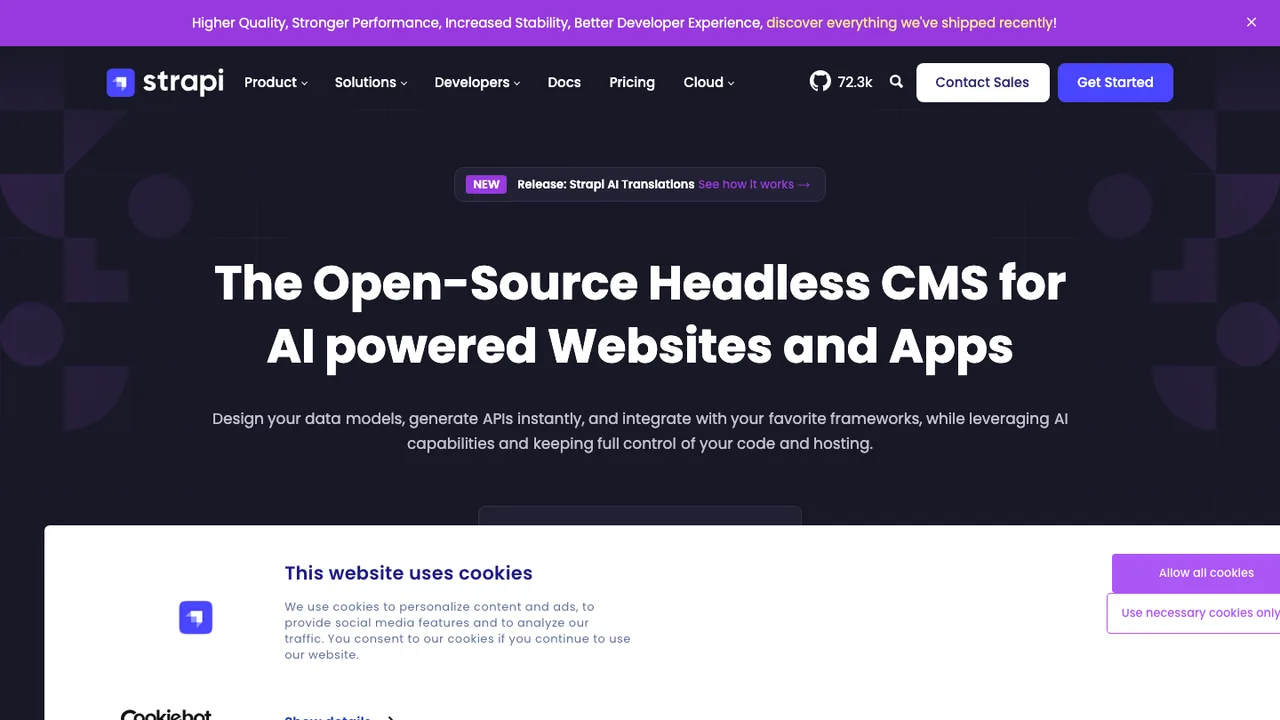
Strapi is a self-hosted headless CMS where you design content structures visually in the Content-Type Builder and it generates REST and GraphQL APIs for each type automatically. The same content can be delivered to any frontend, mobile app, or IoT device, and editors work in a friendly admin interface rather than in code.

  • Visual Content-Type Builder, no code required
  • Auto-generated REST and GraphQL APIs per content type
  • Granular roles and permissions
  • Media library, internationalization, and draft and publish
Ghost logo

2.Ghost

53.9kMITJavaScript Self-host
Ghost screenshot

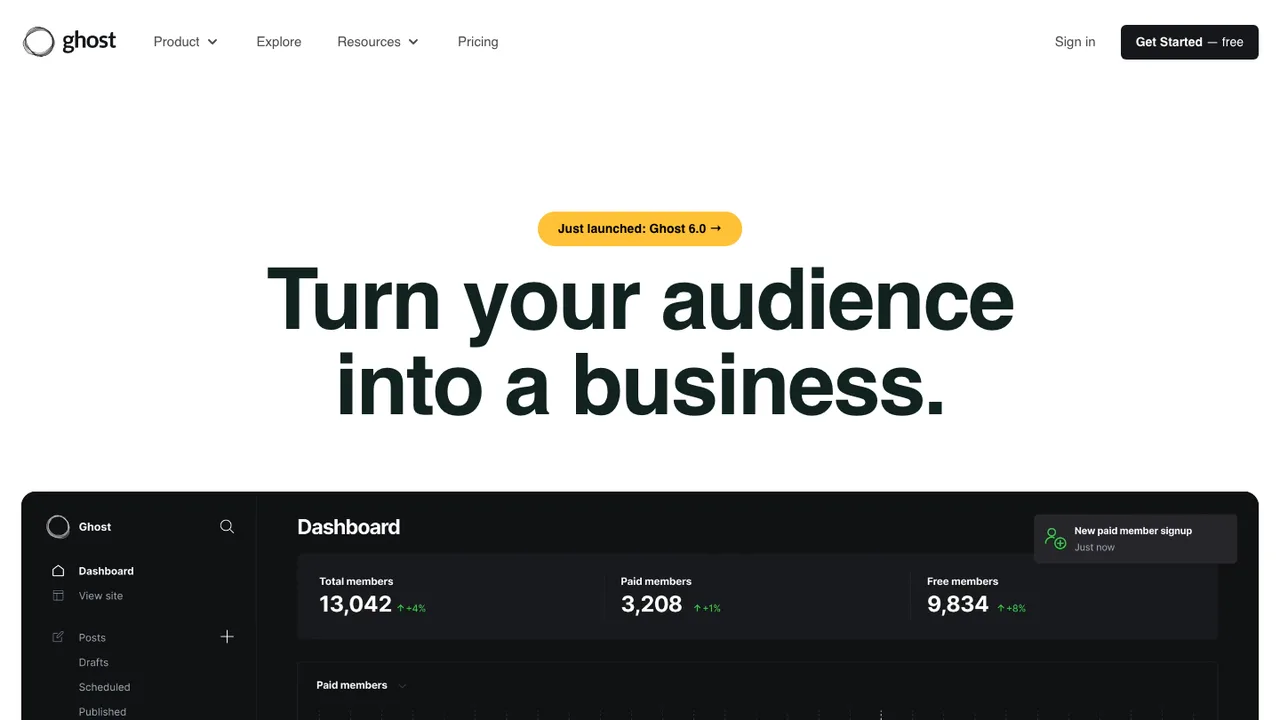
Ghost is an open source publishing platform for blogs, newsletters, and membership sites. It is built for modern publishing workflows where a single site can handle articles, email distribution, and paid subscriptions without adding separate systems.

  • Built-in email newsletters
  • Paid subscriptions and memberships
  • Content API for publishing workflows
  • Theme development tools
Payload logo

3.Payload

43kMITTypeScript Self-host
Payload screenshot

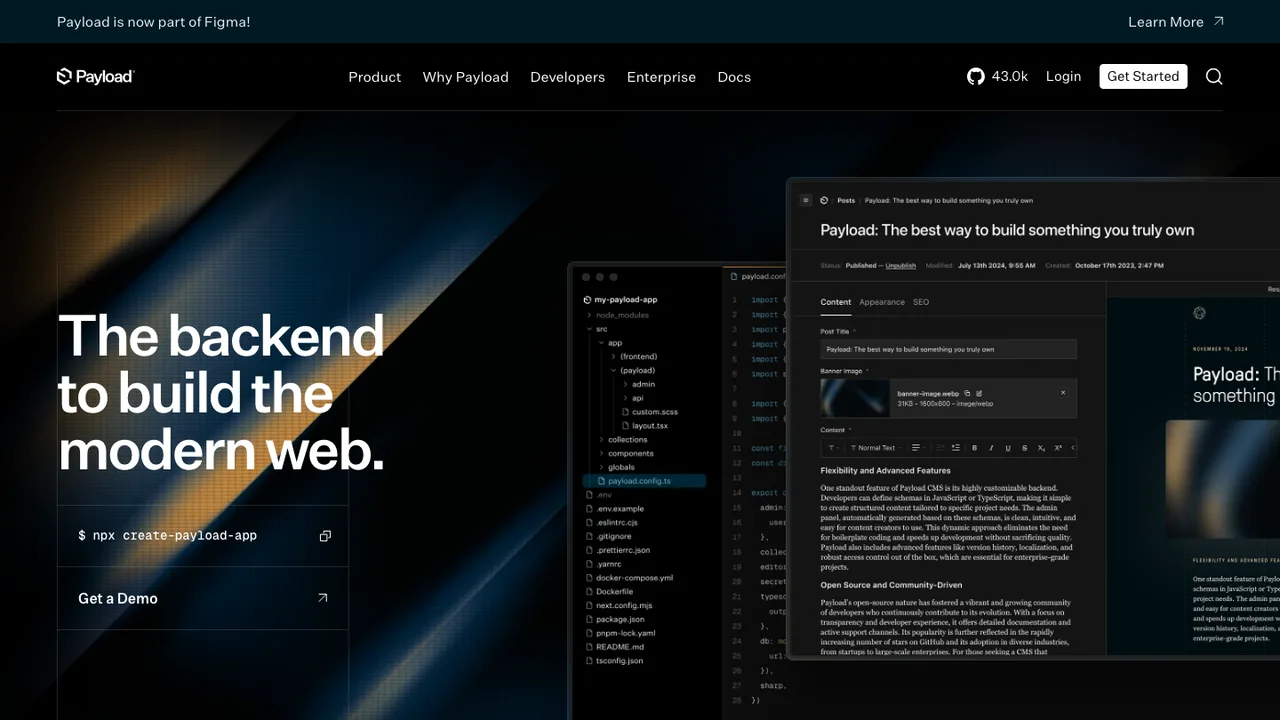
Payload installs directly into an existing Next.js /app folder, so the CMS and the site live in one codebase instead of behind a separate SaaS. You get a TypeScript backend and a React admin panel from a single config, and you can query the database straight from React Server Components without going through REST or GraphQL.

  • Installs into an existing Next.js /app folder
  • TypeScript backend and React admin panel
  • Query the database in React Server Components
  • Auth, versions and drafts, localization, and access control
Wagtail logo

4.Wagtail

20.4kBSD-3-ClausePython Self-host
Wagtail screenshot

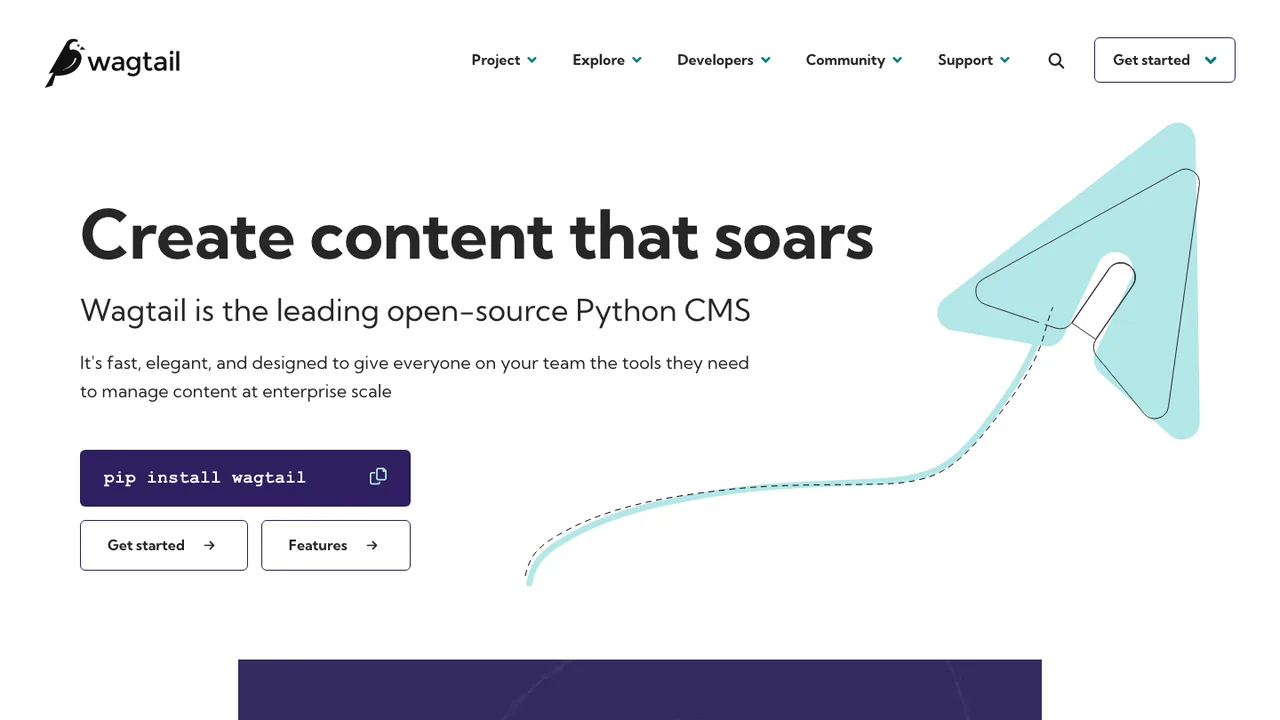
Wagtail is an open source content management system built on Django for teams that need a CMS with precise control over design and structure. It focuses on author experience and works for sites that need both editor-friendly publishing and developer control.

  • Fast author interface
  • StreamField for flexible content
  • Content API for headless sites
  • Multi-site and multi-language support
Grav logo

5.Grav

15.5kMITPHP Self-host
Grav screenshot

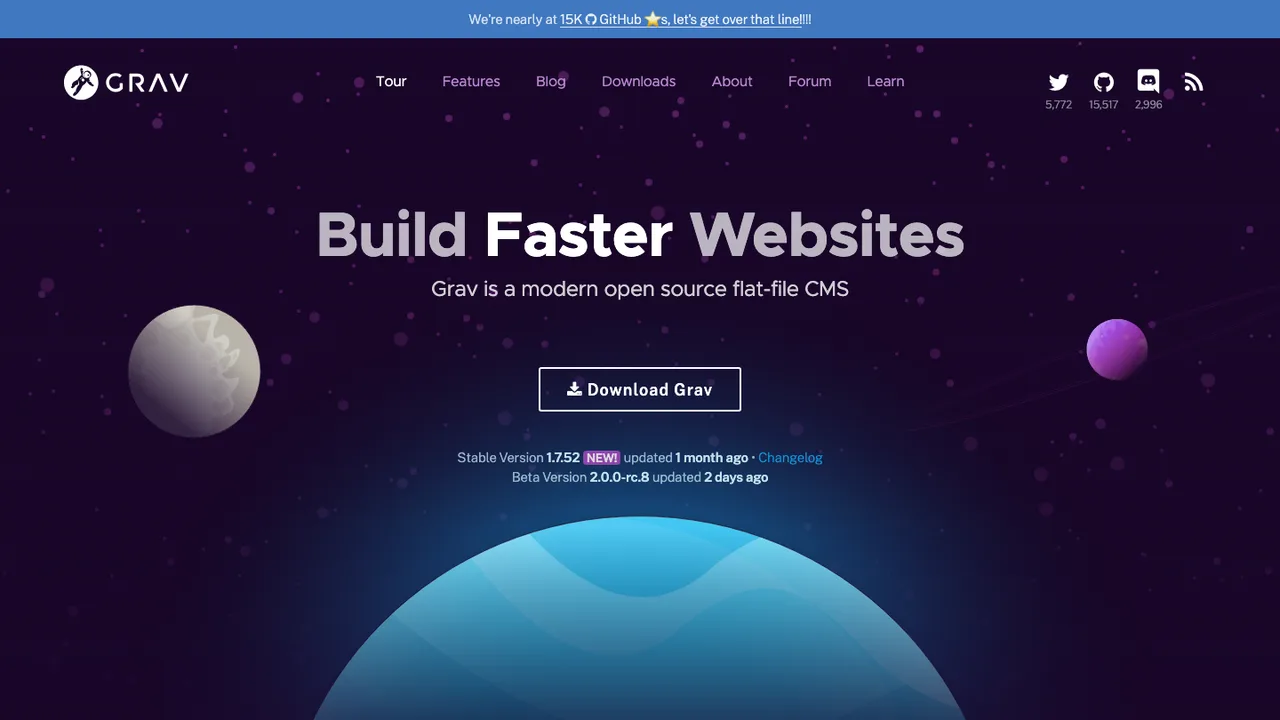
Grav is a file-based web platform for managing site content without a database. It uses flat-file storage, so setup is as simple as extracting a ZIP archive and getting started. The CMS is built for users who want a site they can run locally and extend without a heavy install process.

  • Flat-file content storage with zero installation
  • Twig templating for user interface control
  • Markdown content creation and YAML configuration
  • Package management for plugins, themes, and core updates
TinaCMS logo

6.TinaCMS

13.4kApache-2.0TypeScript
TinaCMS screenshot

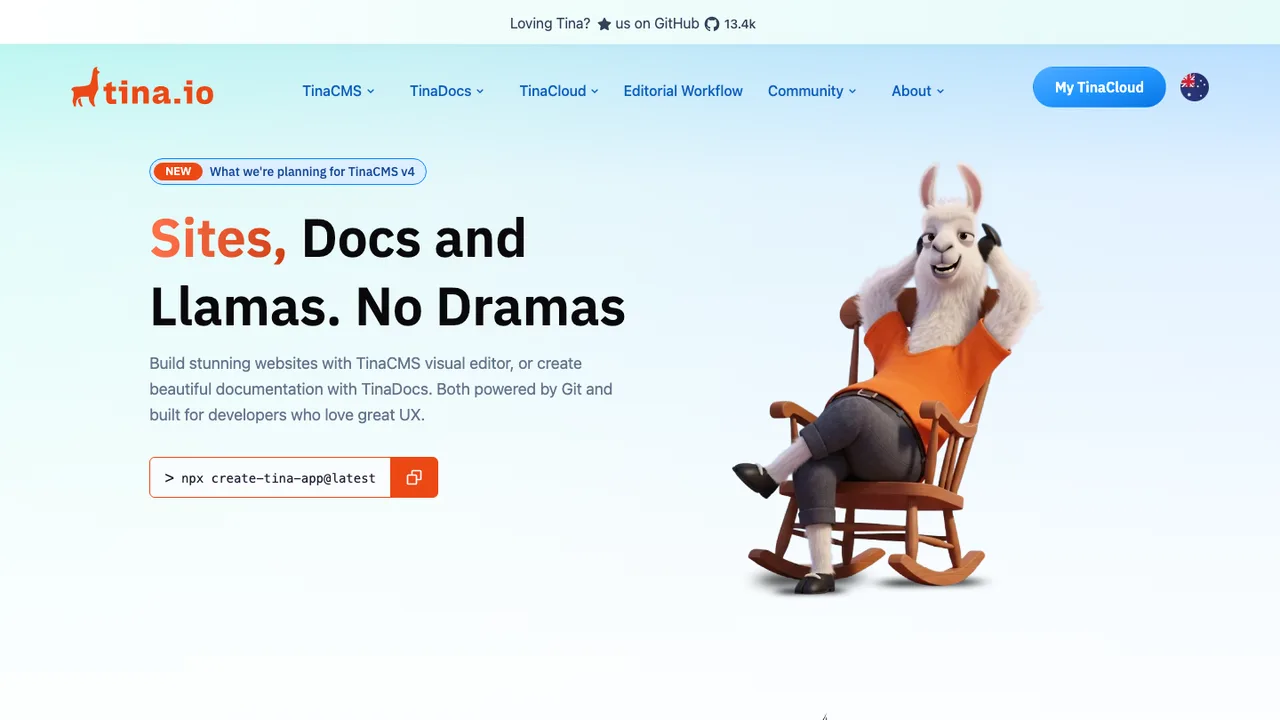
TinaCMS manages content that lives in your repository as Markdown, MDX, JSON, and YAML files, so editing stays in Git rather than an external database. A GraphQL API queries that content, including references between documents and nested fields, which suits both statically generated and server-side rendered sites.

  • Edits Markdown, MDX, JSON, and YAML files in Git
  • GraphQL API for nested content and references
  • Optional live preview for Markdown editing
  • Visual editing on the rendered page
KeystoneJS logo

7.KeystoneJS

9.9kMITTypeScript Self-host
KeystoneJS screenshot

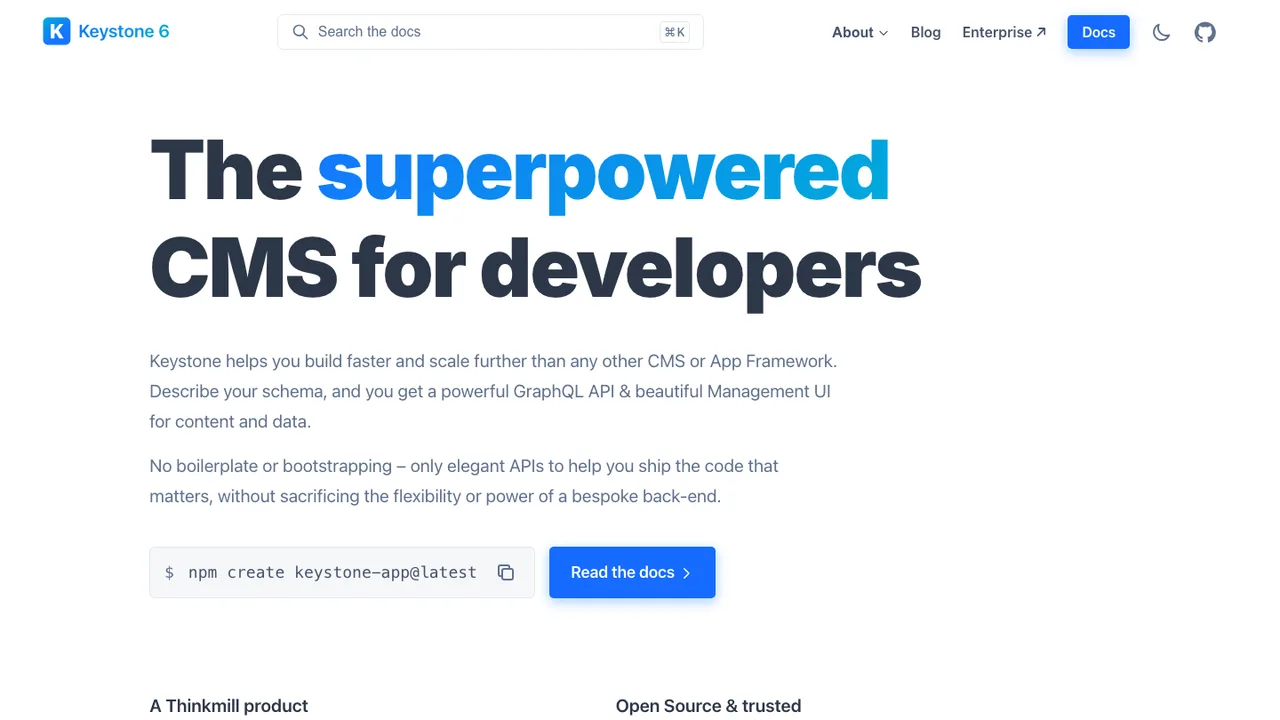
KeystoneJS is a headless CMS and backend framework for Node.js where you describe your content and data as a schema, and it generates a GraphQL API and a management UI around it. There is no boilerplate to wire up: the schema is the source of truth, and the API and admin experience stay in sync with it.

  • Schema-driven content and data models in code
  • Auto-generated GraphQL API
  • Management UI for editing content
  • Field-level and relationship access control
Webiny logo

8.Webiny

8kOtherTypeScript Self-host
Webiny screenshot

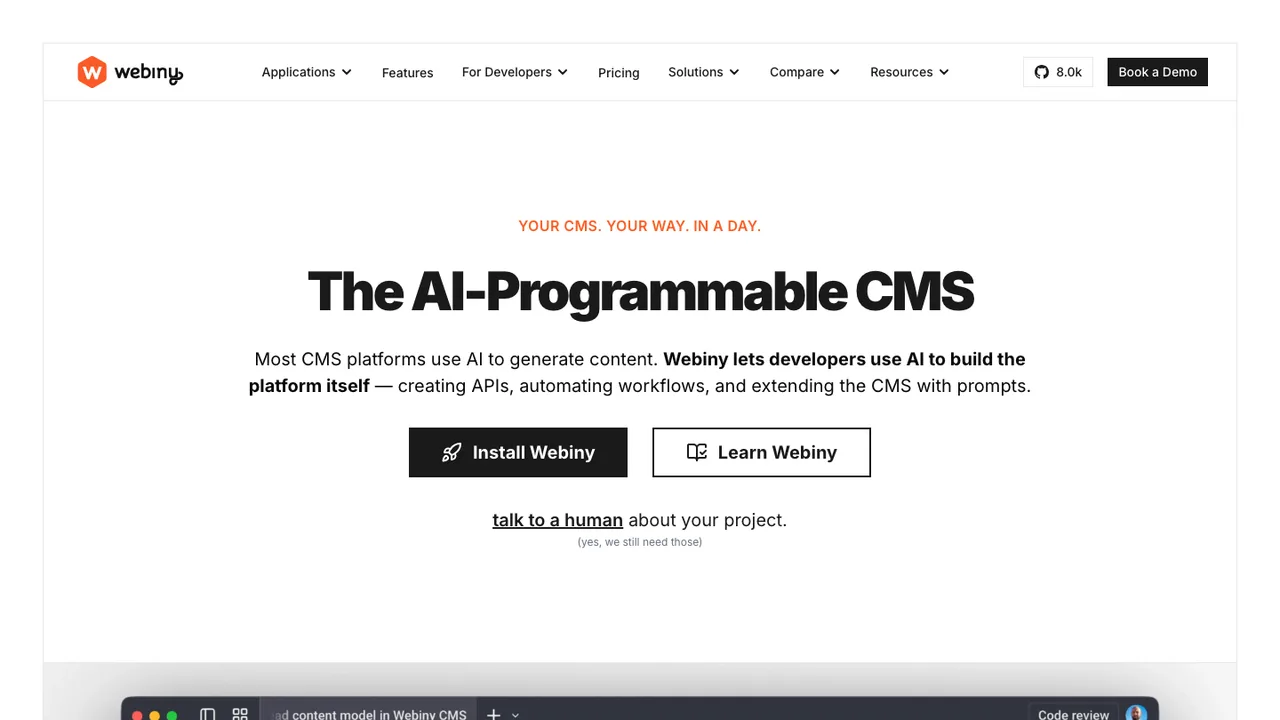
Webiny is a self-hosted content platform that deploys into your own AWS account on serverless services. It is a TypeScript framework you extend with code rather than a closed product configured through a UI, which fits teams that need data ownership, compliance control, or a CMS embedded inside their own product.

  • Custom content models with a GraphQL API
  • Field-level permissions, localization, and versioning
  • Drag-and-drop page editor with a Next.js SDK
  • File manager with folders, tags, search, and CDN delivery
Publii logo

9.Publii

7.2kGPL-3.0HTML Self-host
Publii screenshot

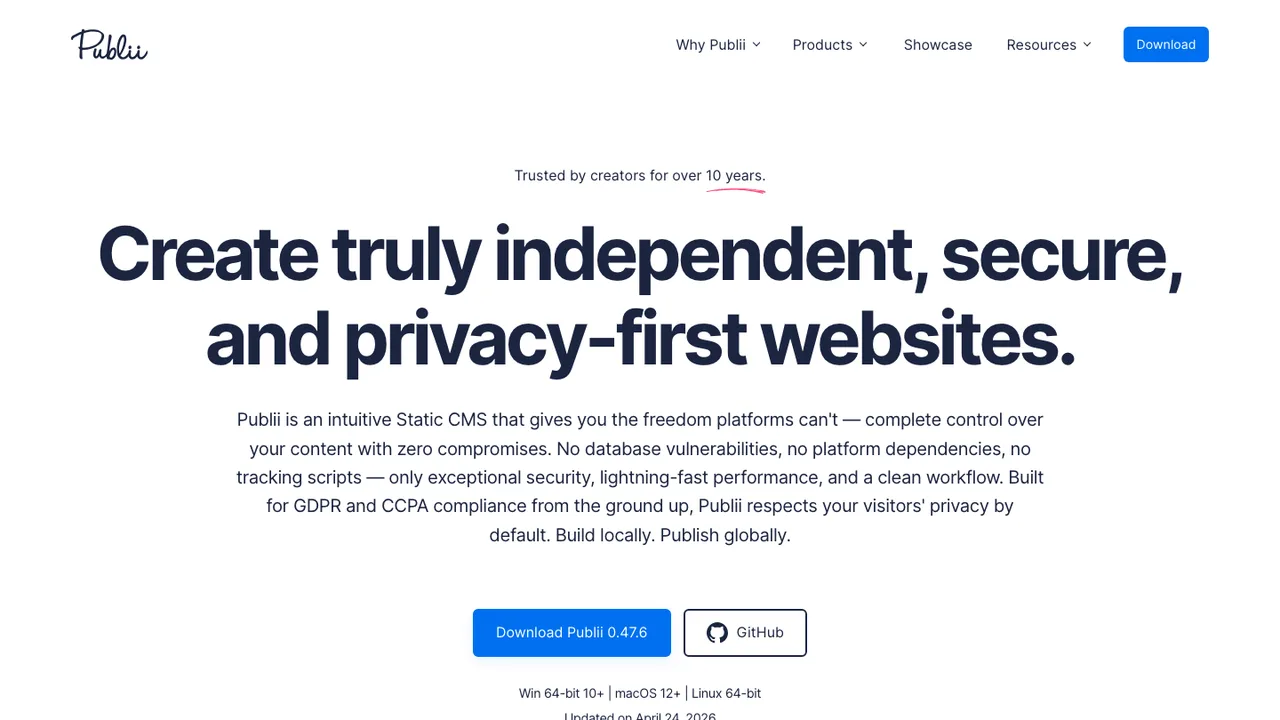
Publii is a desktop-based CMS for Windows, macOS, and Linux that lets you build static websites without a database. It is aimed at people who want a CMS-style editing flow for fast, secure, privacy-friendly sites, including beginners.

  • Desktop content editing on Windows, macOS, and Linux
  • Offline site creation, updates, and modifications
  • Built-in themes and site styling options
  • One-click publishing to multiple upload targets
Joomla logo

10.Joomla

5.1kGPL-2.0PHP Self-host
Joomla screenshot

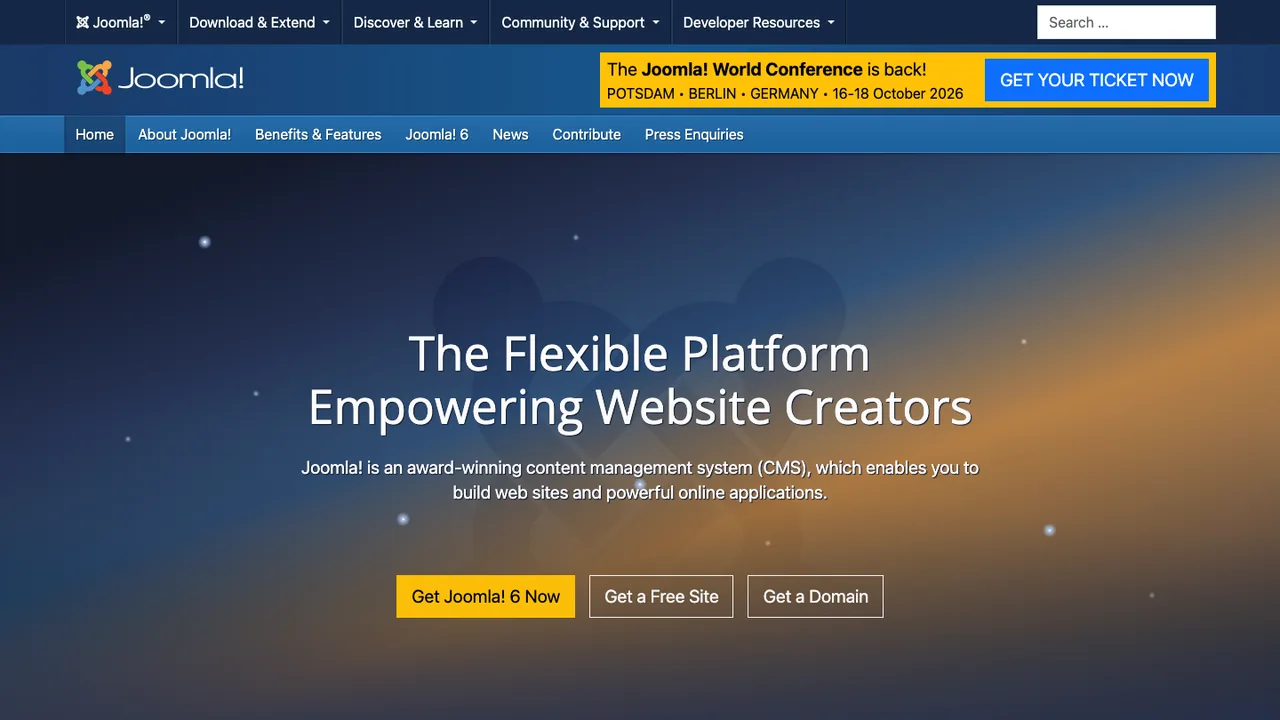
Joomla is a content management system for building websites and online applications. It runs on a server with PHP and either MySQL, MariaDB, or PostgreSQL, and is distributed under the GNU General Public License version 2 or later.

  • Build websites and online applications
  • Thousands of free extensions and templates
  • Built-in multilingual content publishing
  • Runs on PHP with MySQL, MariaDB, or PostgreSQL
Drupal logo

11.Drupal

4.3kOtherPHP Self-host

Drupal is an open source content management platform for building websites, from personal weblogs to large community-driven sites. It helps teams manage site content and extend a site without starting from scratch.

  • Thousands of free and open source modules
  • Themable presentation layer separate from content
  • Role-based access control for users
  • Content modeling for single or multi-site setups
Microweber logo

12.Microweber

3.4kMITHTML Self-host
Microweber screenshot

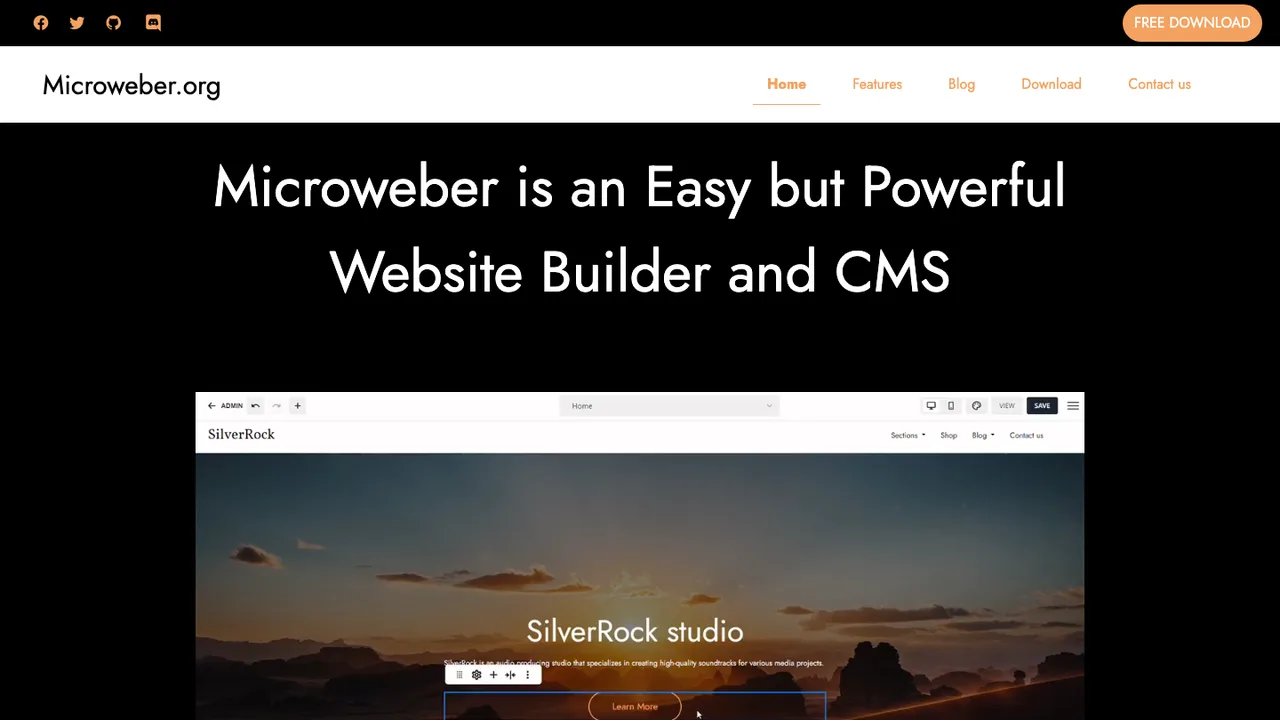
Microweber is a drag-and-drop website builder and content management system based on PHP and the Laravel framework. It is built to create websites, online stores, and blogs without technical expertise, with a focus on visual editing and content management.

  • Drag-and-drop editing for images, text, videos, modules, and layouts
  • Real-time text editing in Live Edit view
  • Pages, posts, and products with custom categories
  • Built-in e-commerce features for online shops
Bludit logo

13.Bludit

1.4kMITPHP Self-host
Bludit screenshot

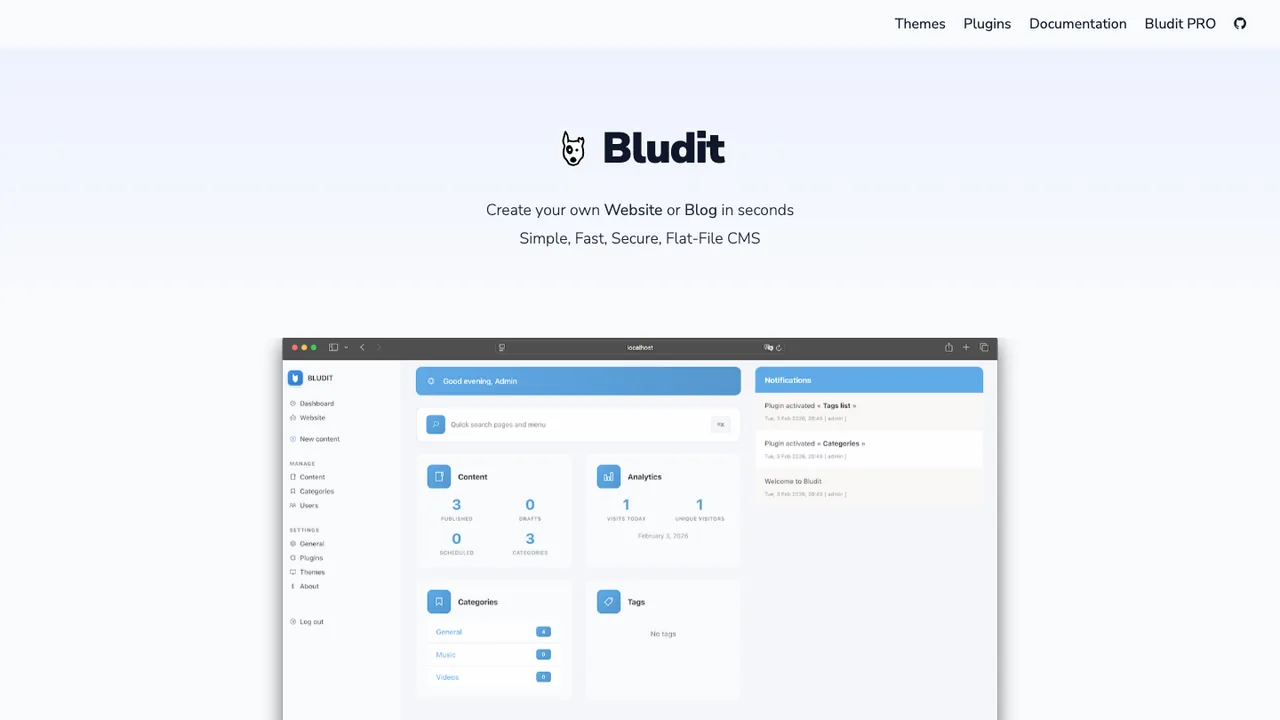
Bludit is a flat-file CMS for building a website or blog in seconds. It stores content in JSON format, so no database installation or configuration is needed. It is designed for users who want a simple way to publish and manage a site on a web server with PHP support.

  • JSON content storage with no database setup
  • Markdown and HTML content support
  • Plugins and themes
  • Runs on a PHP web server
TYPO3 logo

14.TYPO3

1.2kGPL-2.0PHP Self-host
TYPO3 screenshot

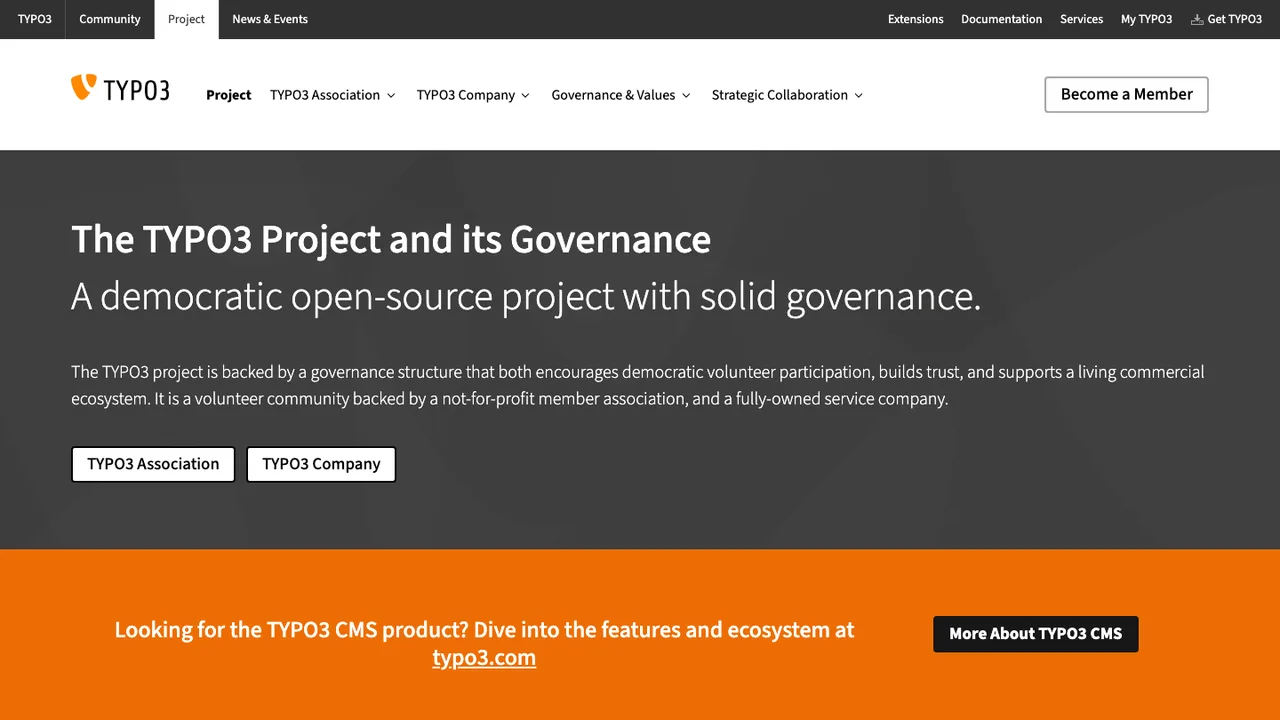
TYPO3 is an open source PHP based content management system for building and managing websites. It uses a web server, PHP, and a database, and the backend is accessed through a supported browser. It is released under the GNU GPL.

  • Browser-based backend for site administration
  • Core plus optional extensions
  • Open API for frontend and backend extensions
  • Runs on Apache, nginx, or IIS
ProcessWire logo

15.ProcessWire

1.1kOtherPHP Self-host
ProcessWire screenshot

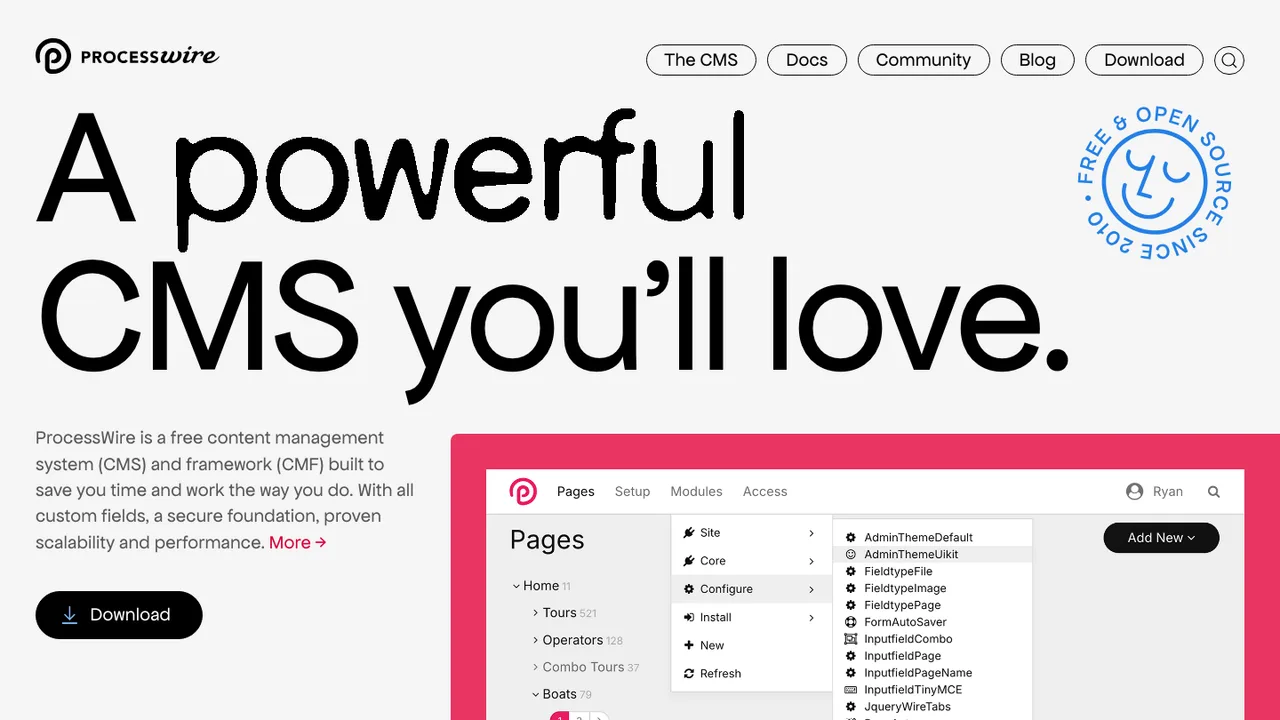
ProcessWire is an open source CMS and CMF for building and maintaining websites and applications. It is designed to give more control over fields, templates, and markup, with an API meant to make content work easier at any scale. The interface is built for adding and updating content without a lot of friction.

  • Custom fields for site content
  • Control over fields, templates, and markup
  • API for working with content
  • Installer starts from a browser URL
Backdrop CMS logo

16.Backdrop CMS

1kGPL-2.0PHP Self-host
Backdrop CMS screenshot

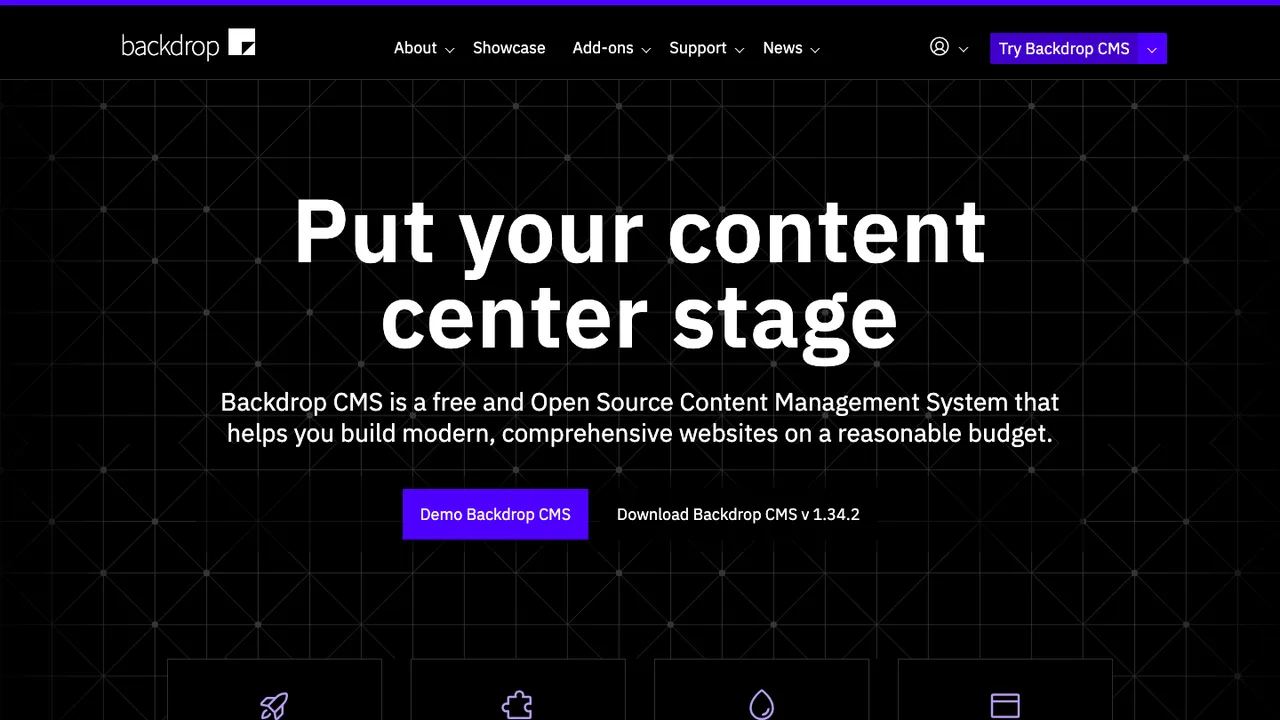
Backdrop CMS is a content management system for non-technical users who need to manage a wide variety of content. It can be used to create blogs, image galleries, social networks, intranets, and other websites. It aims to work out of the box while staying easy to learn.

  • Out-of-the-box CMS for many website types
  • Content management for non-technical users
  • Extensible APIs for custom development
  • Browser-based installation
Concrete CMS logo

17.Concrete CMS

842MITPHP Self-host
Concrete CMS screenshot

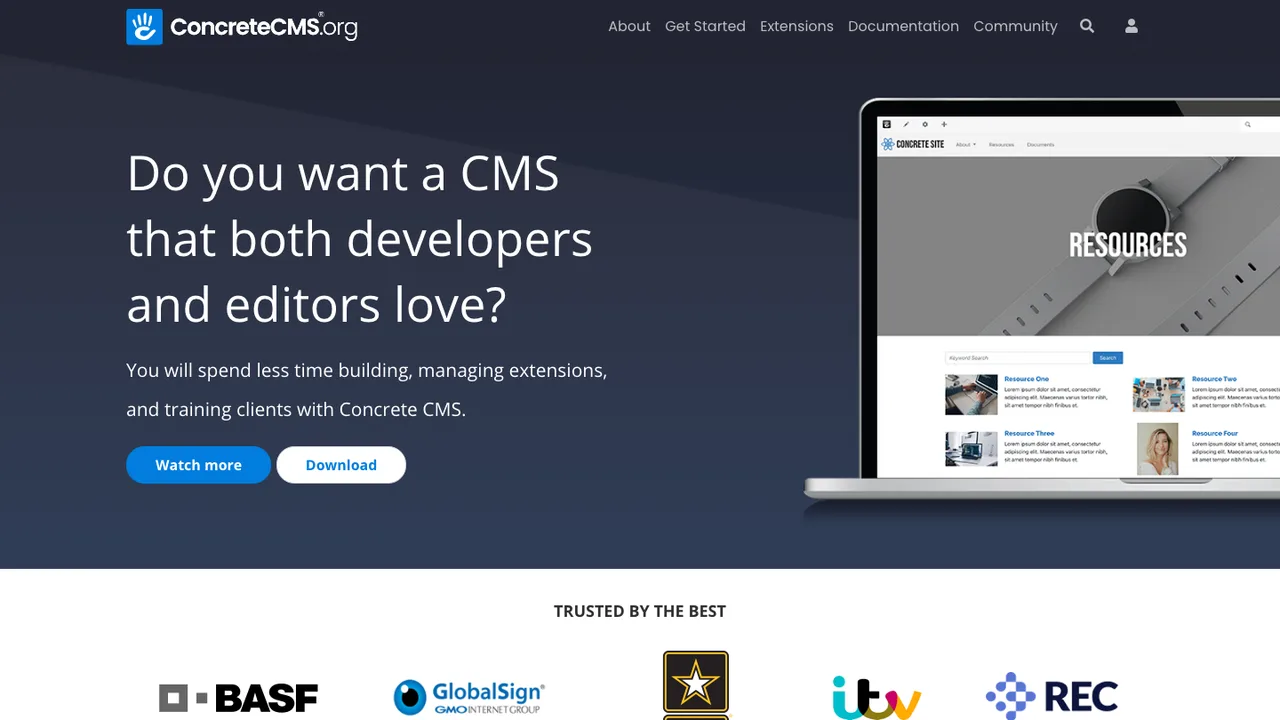
Concrete CMS is an open source content management system for creating websites. It is built for people who want to manage pages and site content without working directly in code all the time.

  • In-context point and click page editing
  • Marketplace of add-ons and themes
  • Role-based permissions for users
  • Version history on page content

Related alternatives