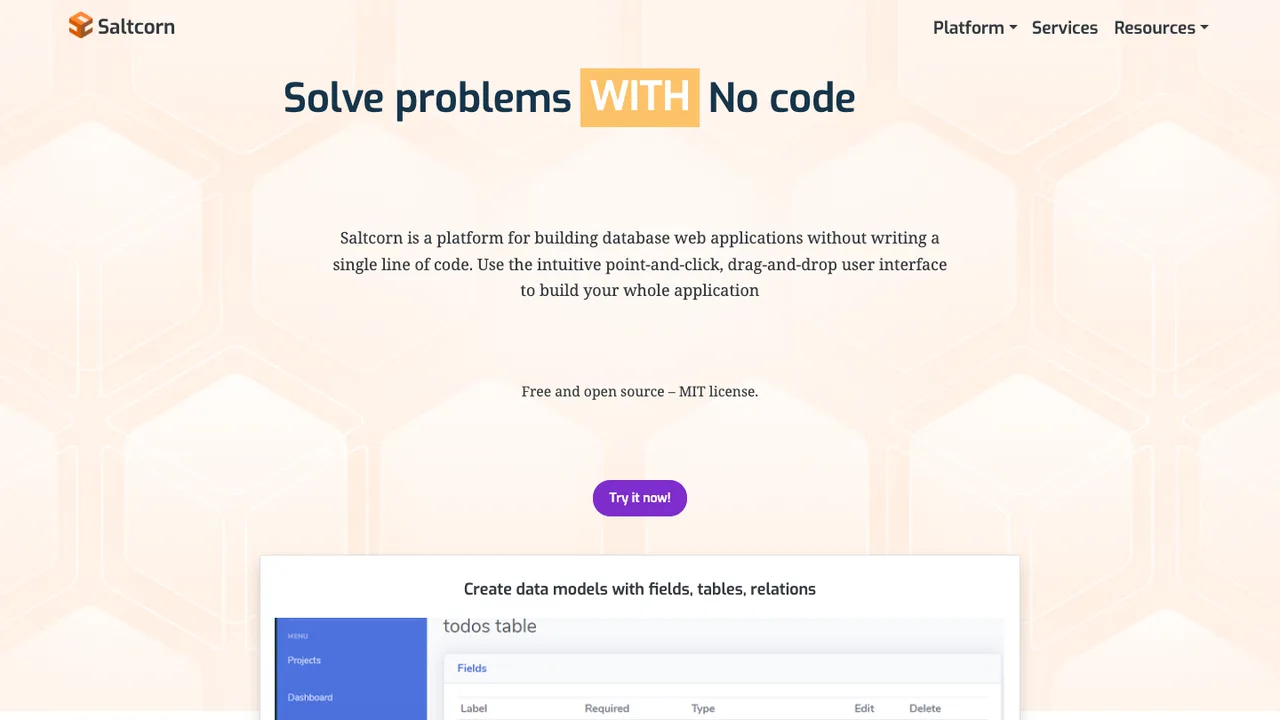
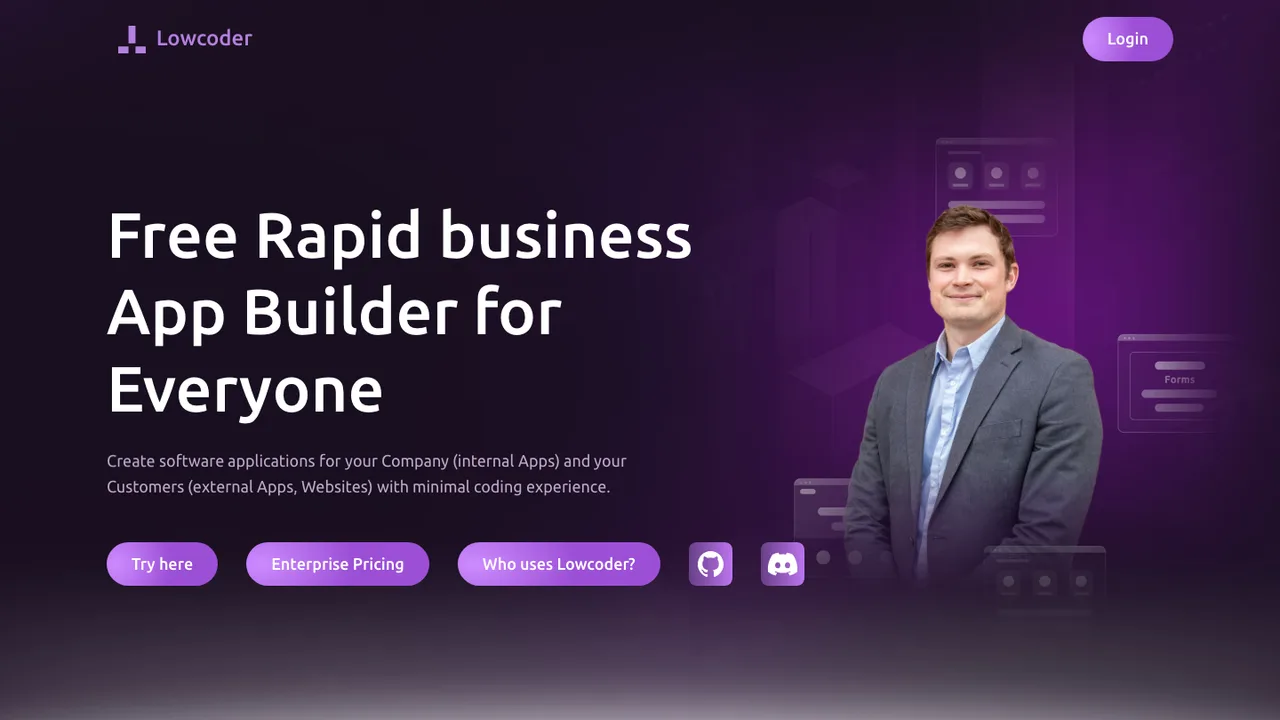
Scope is the honest starting point. FlutterFlow builds native mobile and web apps from Flutter, while most open source builders in this space target internal tools, admin panels, and database-backed web apps. Appsmith, ToolJet, Budibase, and Lowcoder all excel at dashboards and operational apps bound to your databases and APIs, but they are not drop-in Flutter replacements. If your FlutterFlow project is really a consumer mobile app, Saltcorn comes closest by building web and mobile database apps, though you should still expect to rebuild screens rather than import them.
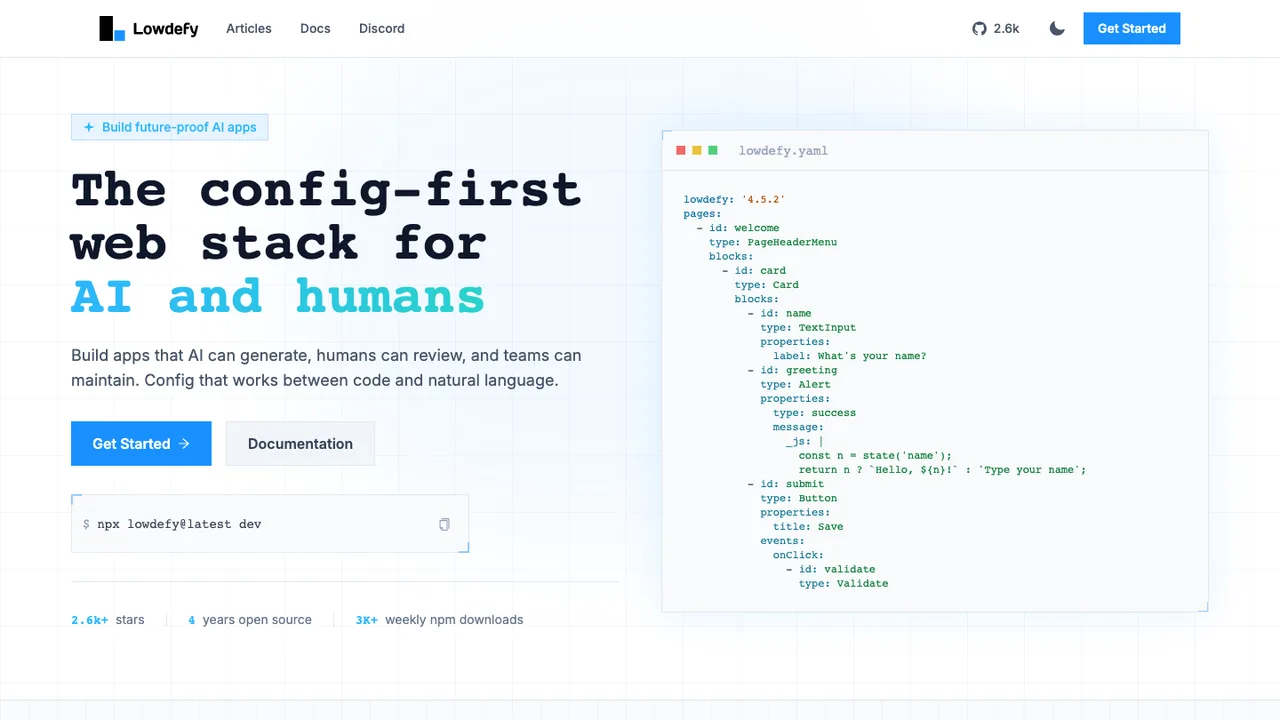
What you gain is ownership of the artifacts. FlutterFlow keeps navigation, state, layout, and backend bindings inside its project model; the alternatives expose more of that as source files or config you version yourself. Lowdefy takes this furthest, defining whole apps in schema-validated YAML that lives in Git, which suits teams that want AI to generate and humans to review the same declarative config. In exchange you give up FlutterFlow's integrated polish, such as responsive previews, component styling, and one-click builds, and take on hosting, dependency updates, and release tooling.
Plan the move as a rebuild, not an export. Inventory your screens, backend collections, auth flows, storage paths, and API calls first, since FlutterFlow often hides integrations inside visual actions. Recreate the highest-value user path in the new tool, confirm it builds and deploys cleanly, then migrate the rest. Because these platforms self-host with Docker, standing up the runtime is the easy part; replacing the conveniences your team treated as automatic is the real work.