16 Best Open Source Alternatives to Datadog

16 open source alternatives100% OSI-approved licensesUpdated June 2026

Datadog earned its place by pulling everything into one pane - metrics, traces, logs, and alerts correlated well enough that an on-call engineer can find the cause at 3 a.m. The breadth is real. So is the bill. Datadog charges by host, by ingested gigabyte, by custom metric, so the more thoroughly you instrument - exactly what good observability asks of you - the faster the invoice climbs, and the telemetry that explains your own infrastructure lives in Datadog's.

The open source alternatives below keep that telemetry on infrastructure you run. Metrics, distributed traces, and logs land in stores you own, retained on your terms rather than a billing tier's, and instrumenting one more service costs storage instead of a per-host line item. You get the correlated view across your stack without a meter that punishes you for measuring more.

Netdata logo

1.Netdata

79.2kGPL-3.0C Self-host
Netdata screenshot

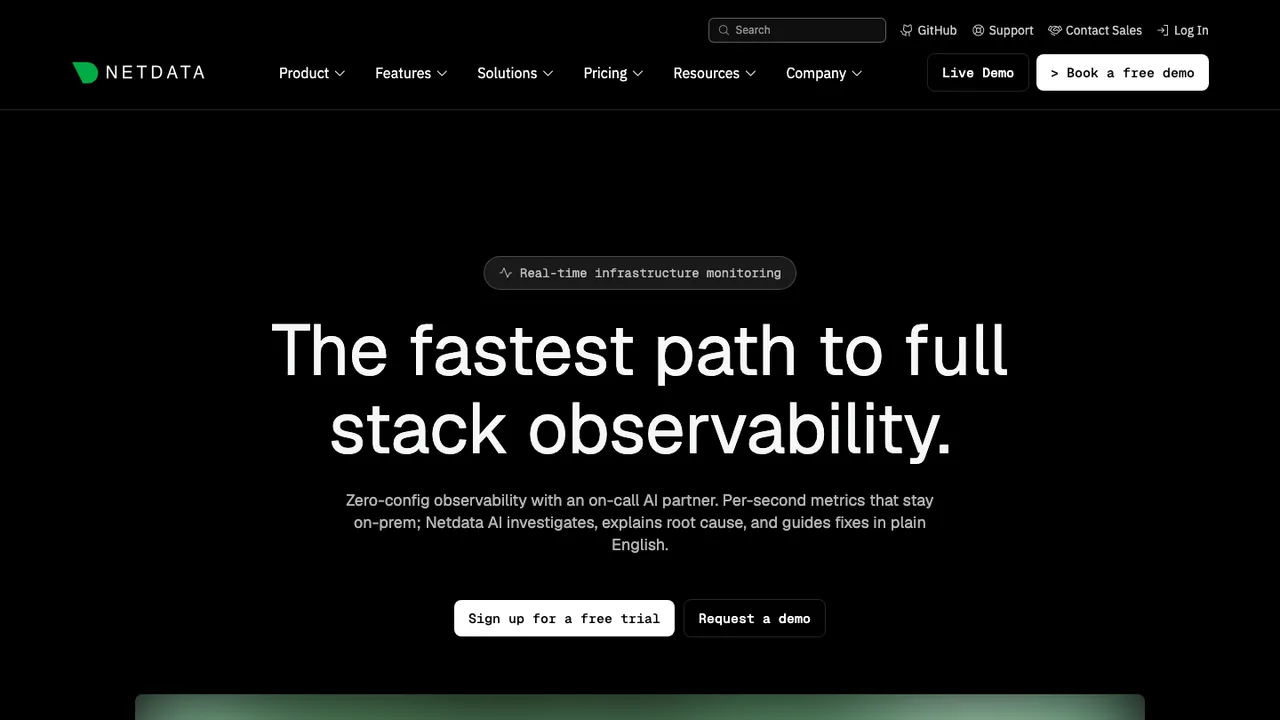
Netdata trades sampling intervals for resolution: it charts system and application metrics at one-second granularity, so a spike that a one-minute tool would average away shows up immediately. Install it and dashboards populate themselves with little configuration, which is how it stays useful for lean teams as much as large fleets.

  • Per-second metrics and visualizations
  • Collects from systems, containers, apps, logs, APIs, and synthetic checks
  • ML models per metric for anomaly detection
  • Built-in alerts with email, Slack, Telegram, PagerDuty, Discord, and Teams
Grafana logo

2.Grafana

74.4kAGPL-3.0TypeScript Self-host
Grafana screenshot

Grafana is an open-source platform for monitoring and observability. It lets you query, visualize, alert on, and understand metrics no matter where they are stored, and it is built to create, explore, and share dashboards with a team.

  • Client-side visualizations for metrics and logs
  • Dynamic dashboards with template variables
  • Ad-hoc query exploration and side-by-side comparisons
  • Log exploration with preserved label filters
SigNoz logo

3.SigNoz

27.3kOtherTypeScript Self-host
SigNoz screenshot

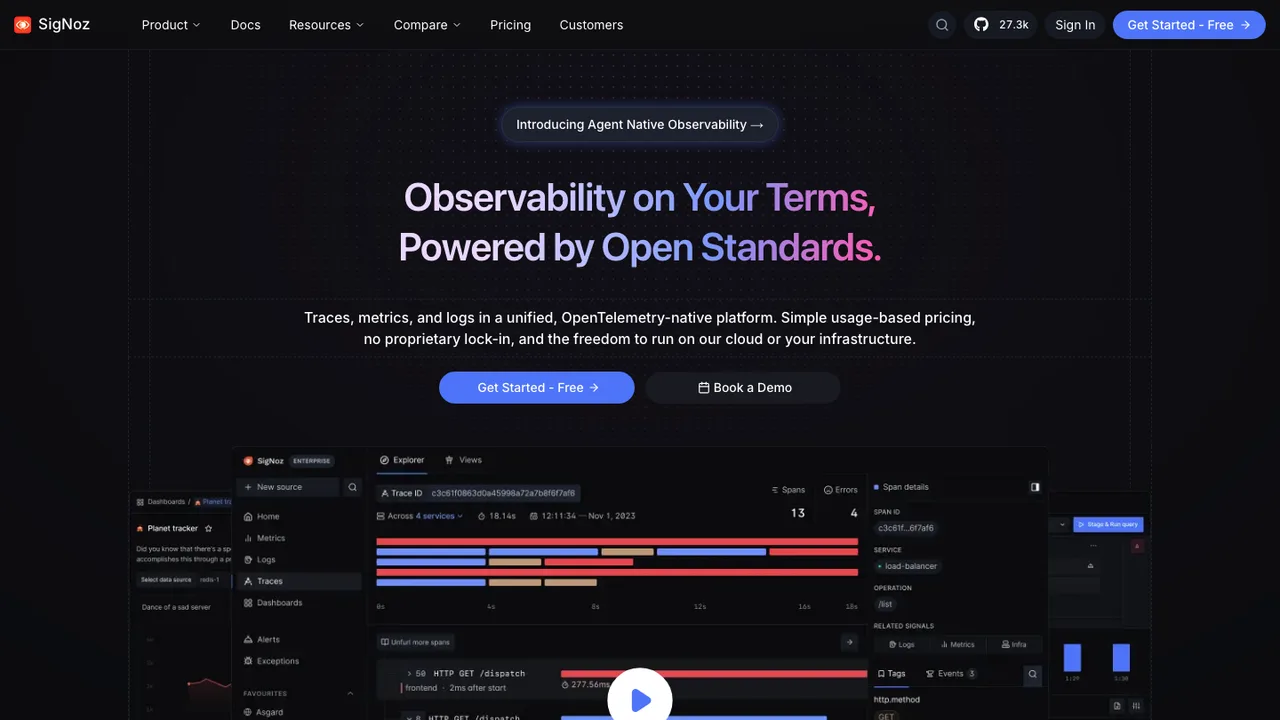
SigNoz is an open source observability platform for monitoring applications, services, and infrastructure. It brings logs, metrics, and traces into one place so you can spot issues, troubleshoot downtime, and debug with richer context, positioned as an open source alternative to Datadog and New Relic.

  • Application performance monitoring with p99 latency, error rate, Apdex, and ops per second
  • Centralized logs with filters, query builder, and log charts
  • Distributed tracing with flamegraphs and Gantt charts
  • Metrics dashboards with pie, time-series, and bar chart panels
Apache SkyWalking logo

4.Apache SkyWalking

24.8kApache-2.0Java Self-host
Apache SkyWalking screenshot

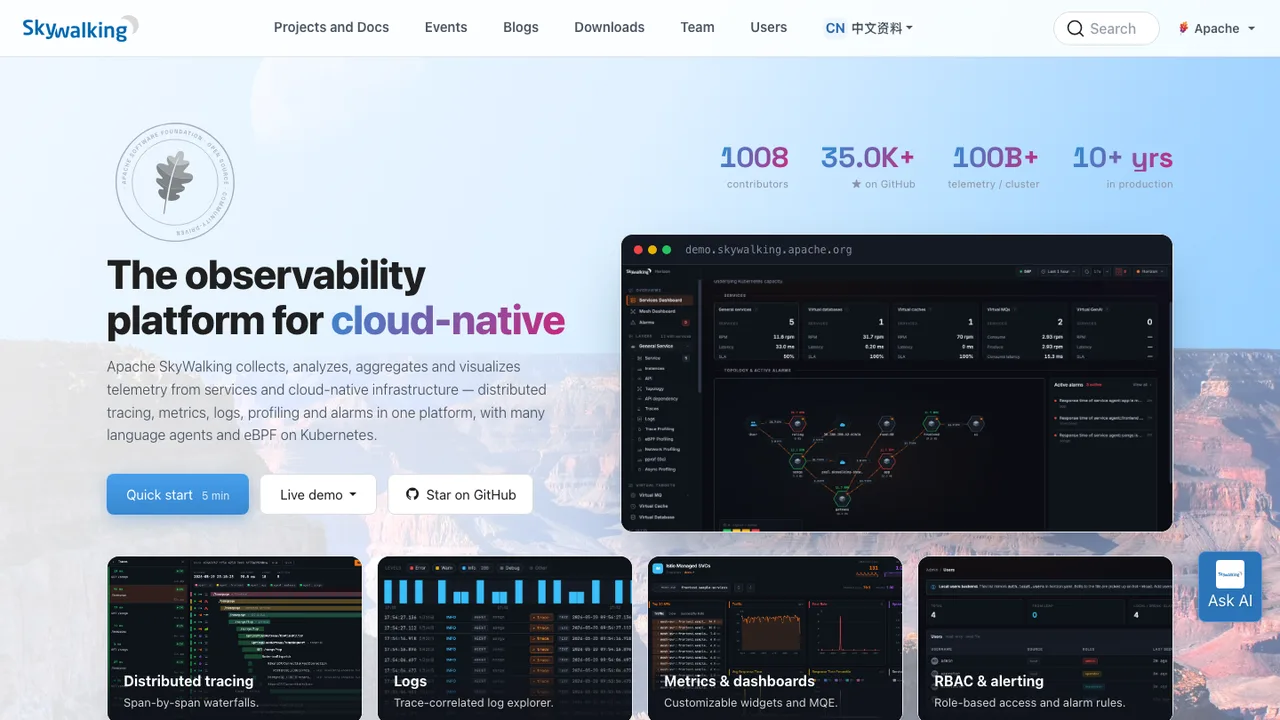
Apache SkyWalking is an open source APM system for microservices, cloud-native, and container-based architectures. It collects monitoring, tracing, and diagnostic data from distributed systems and brings service topology, service-centric observability, and dashboards together in one place.

  • Distributed tracing with service topology analysis
  • Metrics, logs, profiling, and alarms
  • Agents for Java, .NET Core, PHP, NodeJS, Go, Python, and more
  • eBPF-based monitoring and profiling with Rover
Jaeger logo

5.Jaeger

22.9kApache-2.0Go Self-host
Jaeger screenshot

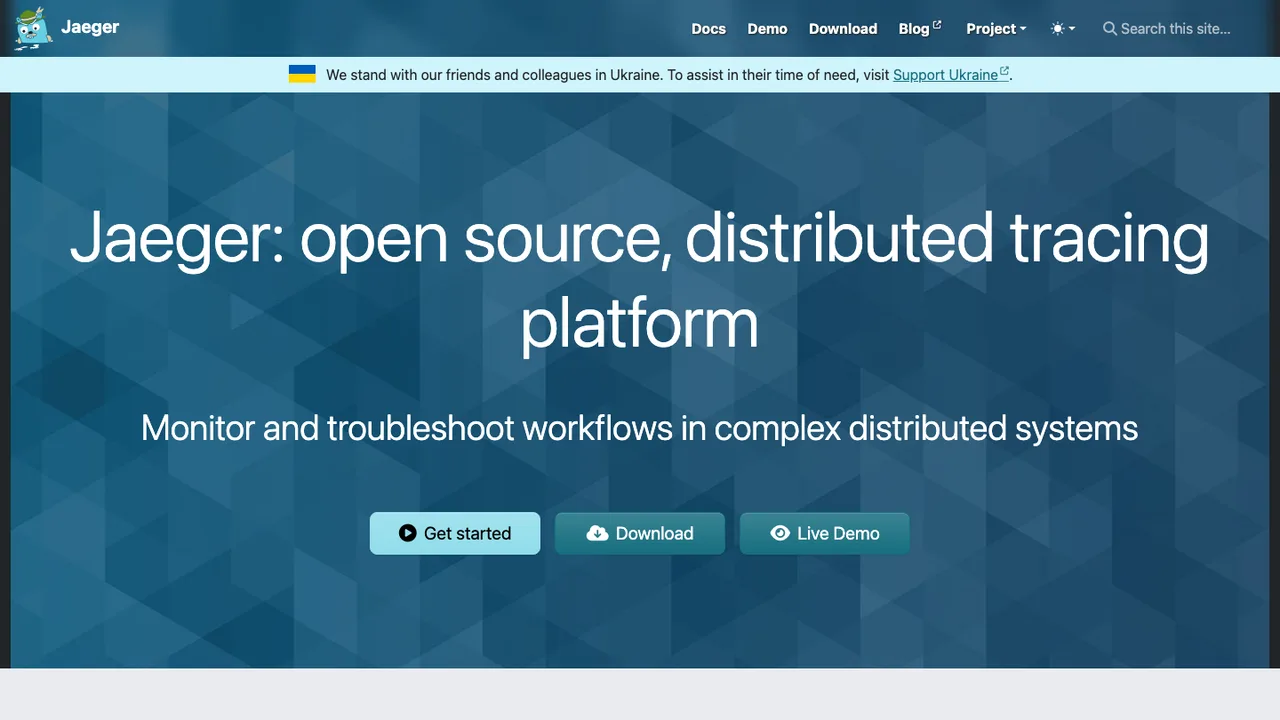
Jaeger is a distributed tracing system for monitoring and troubleshooting requests as they flow through complex distributed systems. By following a single request across every service it touches, teams can pinpoint latency, errors, and unexpected behavior in development or production.

  • Distributed tracing across complex service workflows
  • Ingests OpenTelemetry trace data over HTTP or gRPC
  • Pluggable storage backends for traces
  • Web UI for exploring traces and service dependencies
Vector logo

6.Vector

22kMPL-2.0Rust Self-host
Vector screenshot

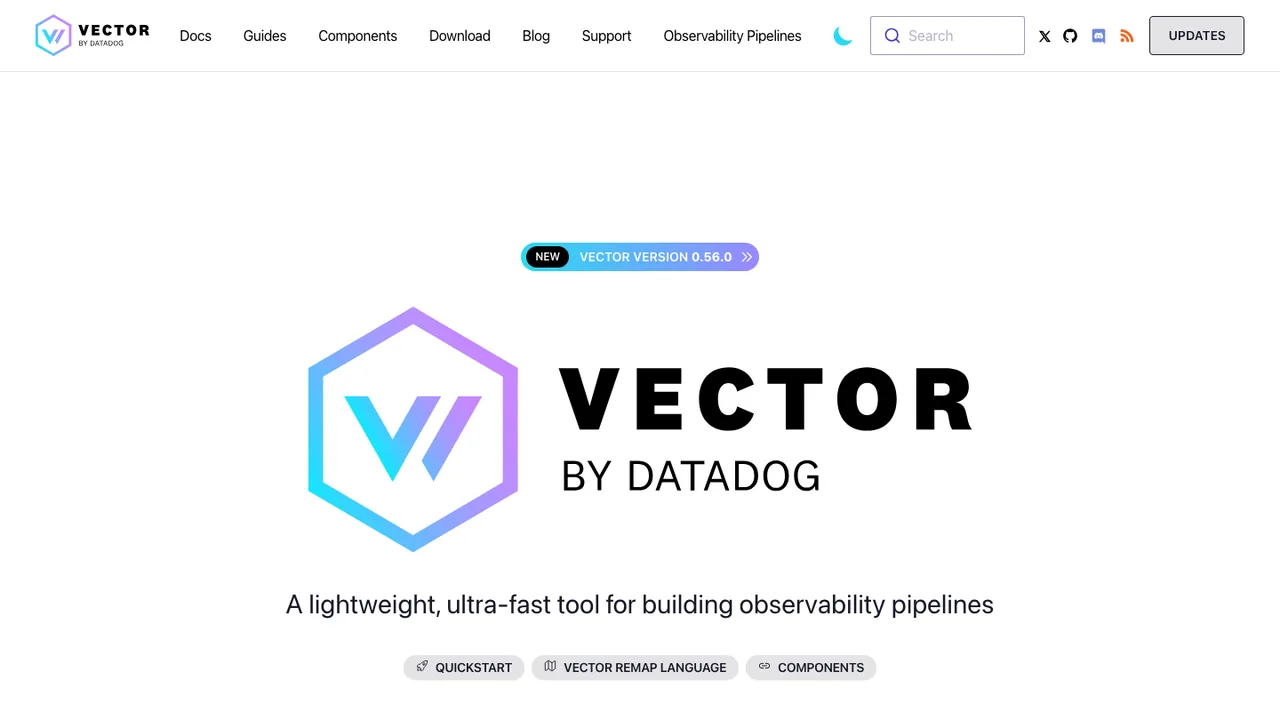
Vector is an open-source observability data pipeline for collecting, transforming, and routing logs and metrics. It runs end-to-end as an agent or aggregator, so teams can consolidate telemetry flow and send data to current or future vendors. The focus is control over observability data, including cost reduction, enrichment, and data security placement.

  • Collect, transform, and route logs and metrics
  • Deploy as an agent or aggregator
  • Sources include Docker logs, files, HTTP, journald, Kafka, and sockets
  • Transforms include dedupe, filter, remap, Lua, and log-to-metric
OpenObserve logo

7.OpenObserve

19.3kAGPL-3.0TypeScript Self-host
OpenObserve screenshot

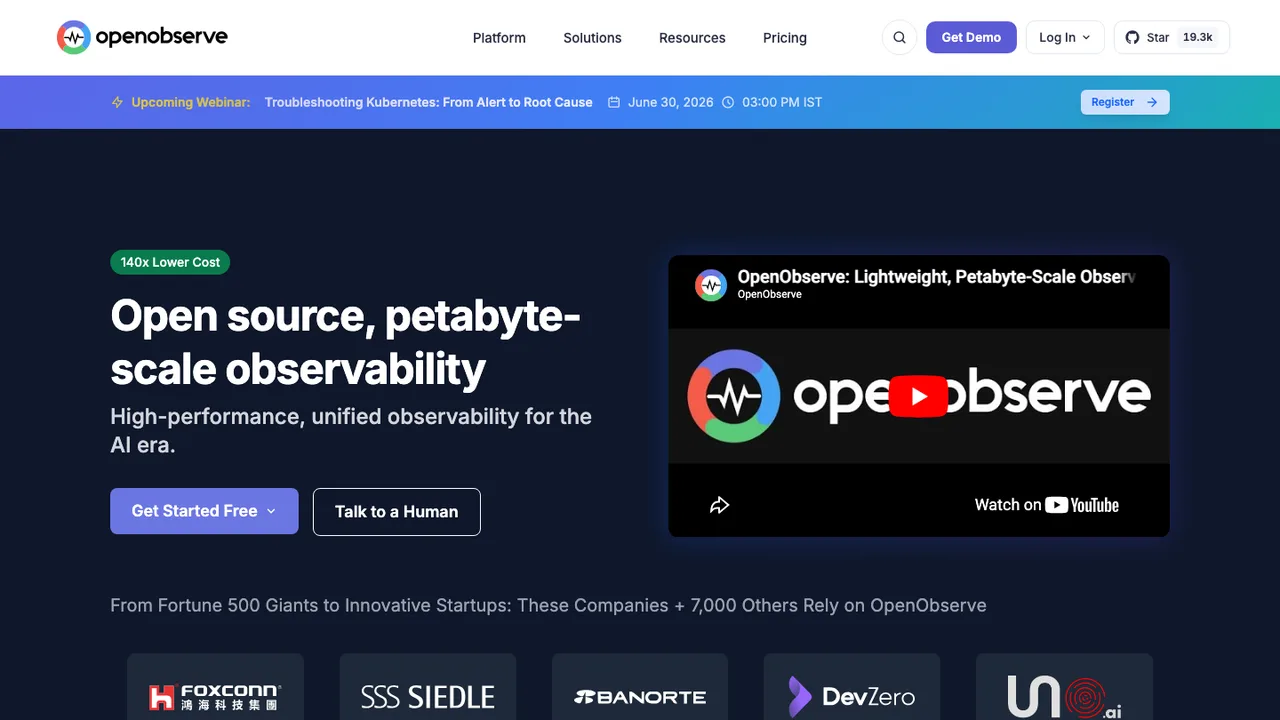
OpenObserve is a cloud-native observability tool for logs, metrics, traces, analytics, and real user monitoring. It is built for teams that want a single place to search, query, and alert on telemetry without the cost and complexity of separate tools.

  • Parquet columnar storage with S3-native design
  • Full-text log search, SQL queries, filters, and dashboards
  • Distributed tracing with OpenTelemetry
  • Metrics dashboards with SQL or PromQL
Pinpoint logo

8.Pinpoint

13.8kApache-2.0Java Self-host
Pinpoint screenshot

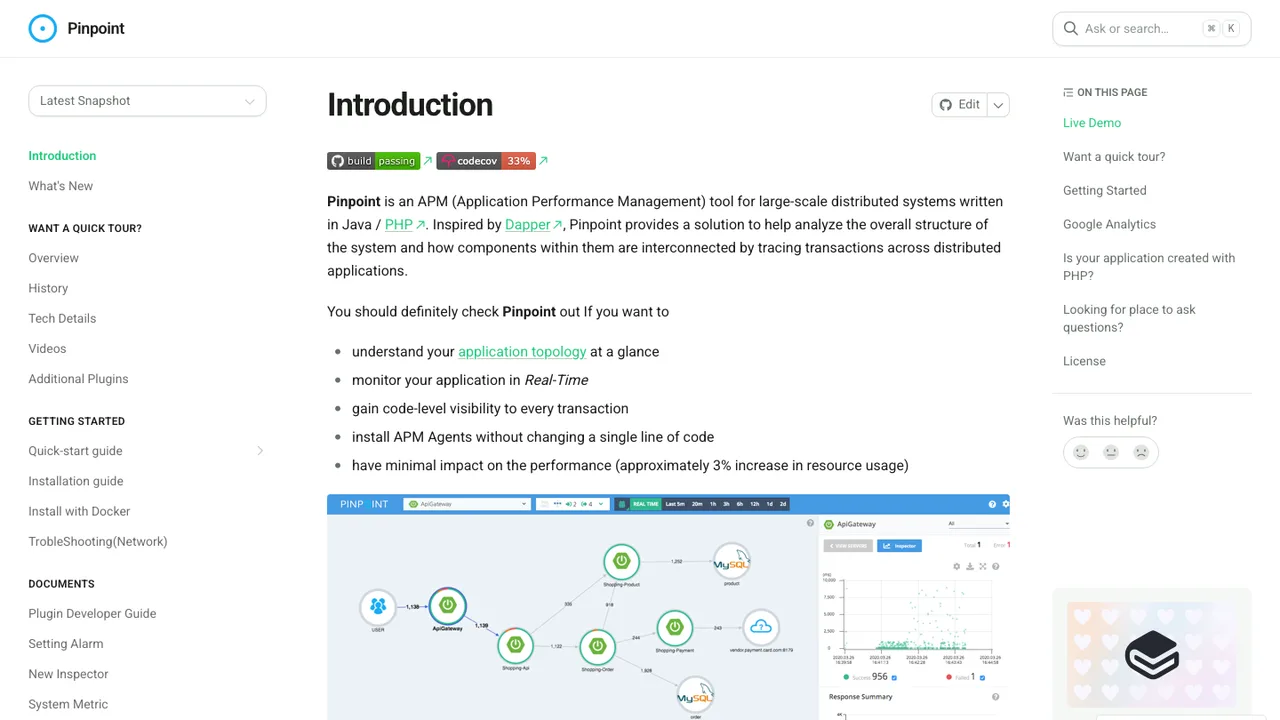
Pinpoint is an application performance management tool for large-scale distributed systems, inspired by Google Dapper. It traces transactions end to end across services so you can see how components connect and quickly find problem areas and bottlenecks in complex applications.

  • ServerMap for distributed system topology
  • Real-time active thread chart
  • Request-response scatter chart
  • CallStack for code-level transaction visibility
Fluentd logo

9.Fluentd

13.6kApache-2.0Ruby Self-host
Fluentd screenshot

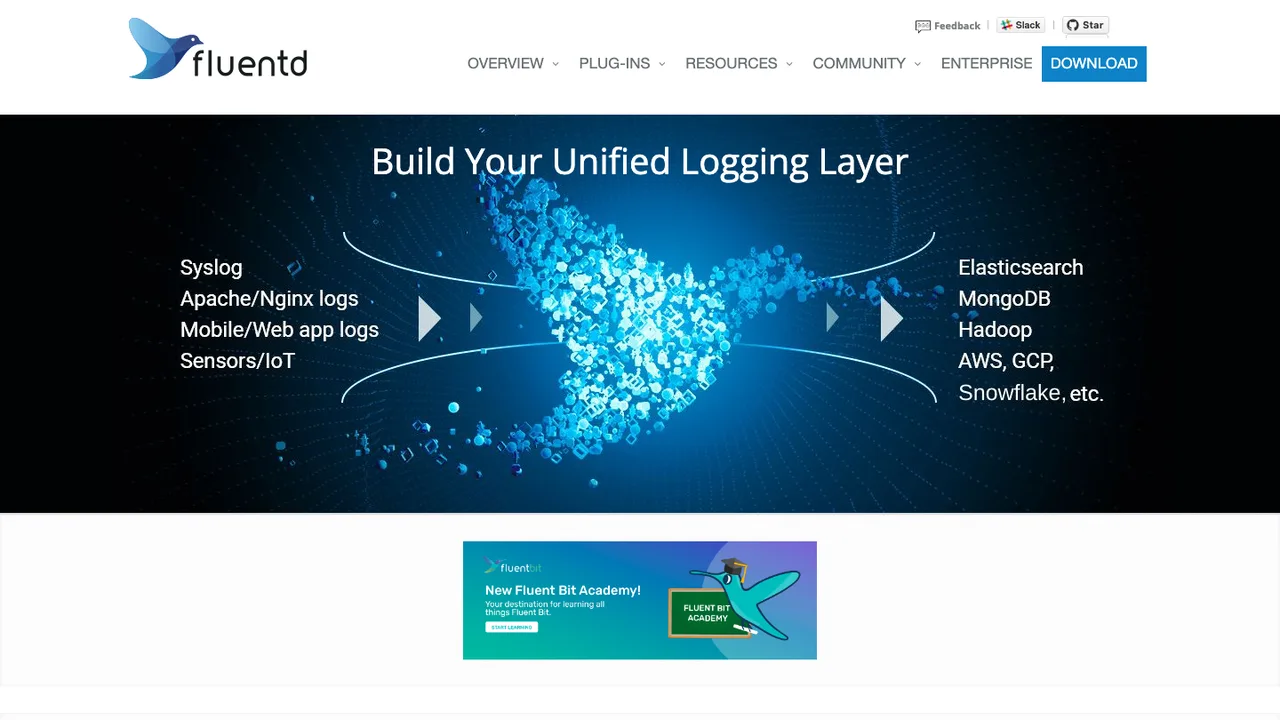
Fluentd sits between your data sources and your backend systems as a single unified logging layer, so applications no longer need to know where their logs end up. It collects events from many sources and writes them to files, RDBMS, NoSQL, IaaS, SaaS, Hadoop, and other destinations.

  • Unified logging layer decouples sources from backends
  • 500+ plugins for inputs and outputs
  • Writes to files, RDBMS, NoSQL, IaaS, SaaS, and Hadoop
  • Structured JSON events with fluent.conf routing
Quickwit logo

10.Quickwit

11.3kApache-2.0Rust Self-host
Quickwit screenshot

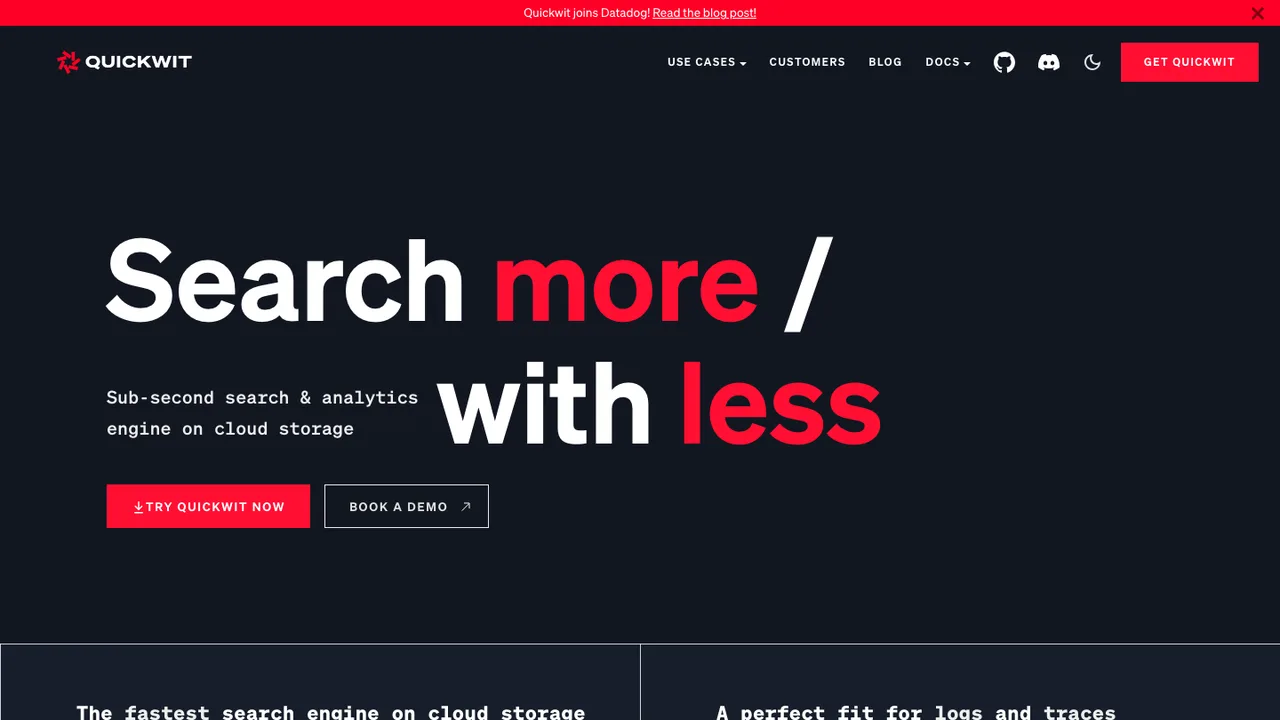
Quickwit is a cloud-native search engine for observability data, focused on logs and distributed traces, with metrics support on the roadmap. It is an open-source alternative to Datadog, Elasticsearch, Loki, and Tempo for teams that need full-text search and analytics over large event data.

  • Full-text search and aggregation queries
  • Elasticsearch/OpenSearch-compatible ingest and search APIs
  • OTEL-native logs and traces with Jaeger-native tracing
  • Schemaless or strict schema indexing with schemaless analytics
HyperDX logo

11.HyperDX

9.6kMITTypeScript Self-host
HyperDX screenshot

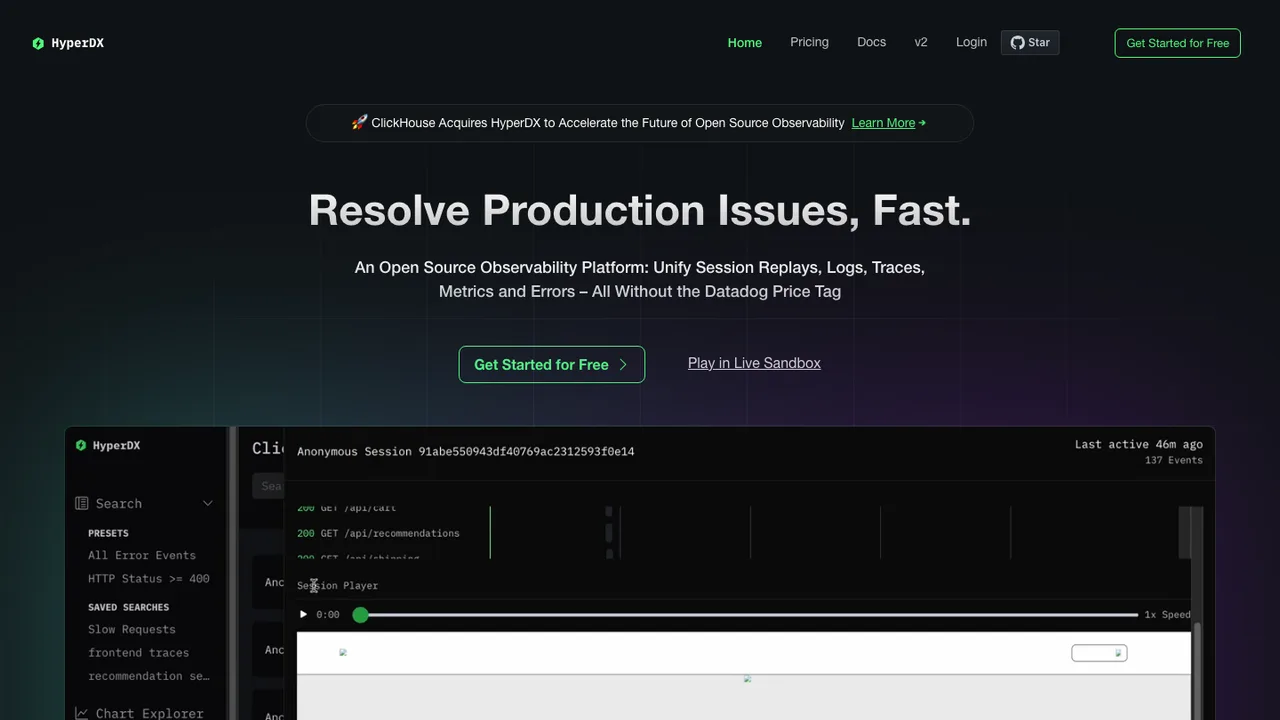
HyperDX is an open source observability platform for finding production issues in logs, metrics, traces, errors, and session replays. It runs on top of a ClickHouse cluster and is built to make search and visualization faster across production telemetry.

  • Correlate logs, metrics, session replays, traces, and errors
  • Schema-agnostic search on an existing ClickHouse schema
  • Alerts, dashboards, event deltas, and live tailing
  • OpenTelemetry support with an included collector
Falco logo

12.Falco

9kApache-2.0C++ Self-host
Falco screenshot

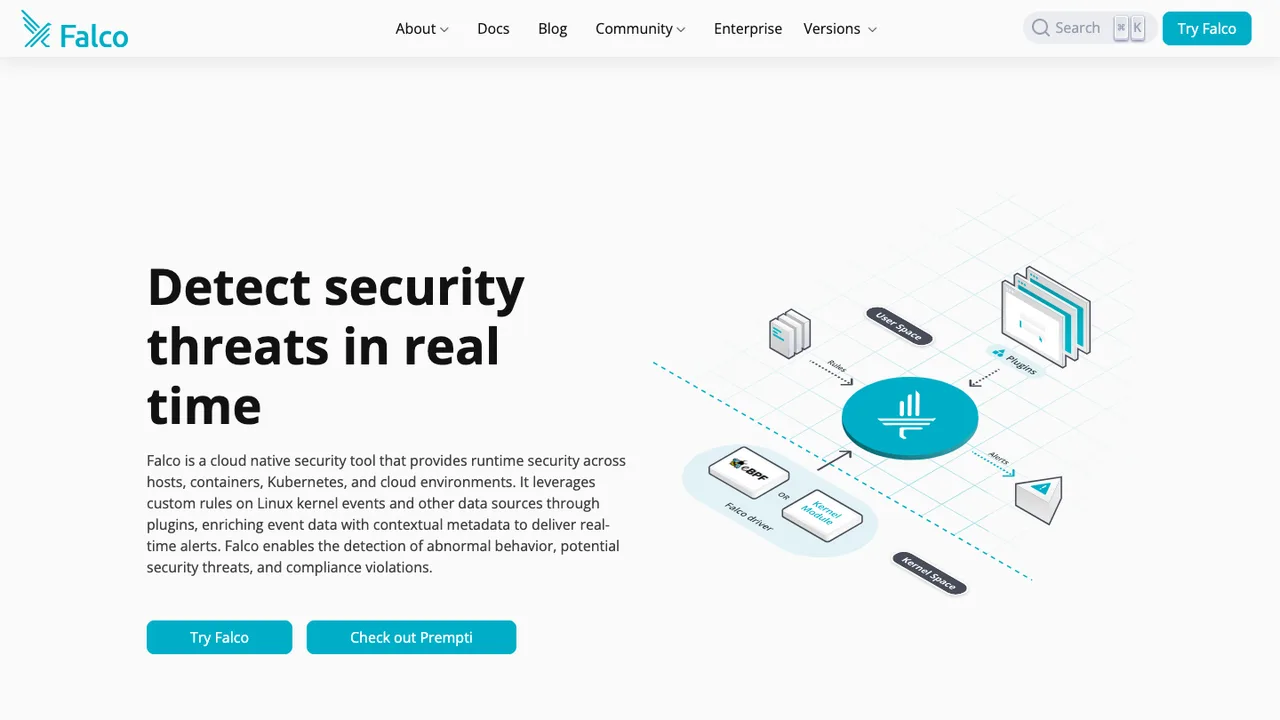
Falco is a cloud native runtime security tool for Linux. It detects and alerts on abnormal behavior and potential security threats in real time, acting as a kernel monitoring and detection agent that observes events such as syscalls.

  • Kernel-level event monitoring based on syscalls
  • Custom rules engine for host and container behavior
  • Container runtime and Kubernetes metadata enrichment
  • Off-host event analysis in SIEM or data lake systems
Fluent Bit logo

13.Fluent Bit

7.9kApache-2.0C Self-host
Fluent Bit screenshot

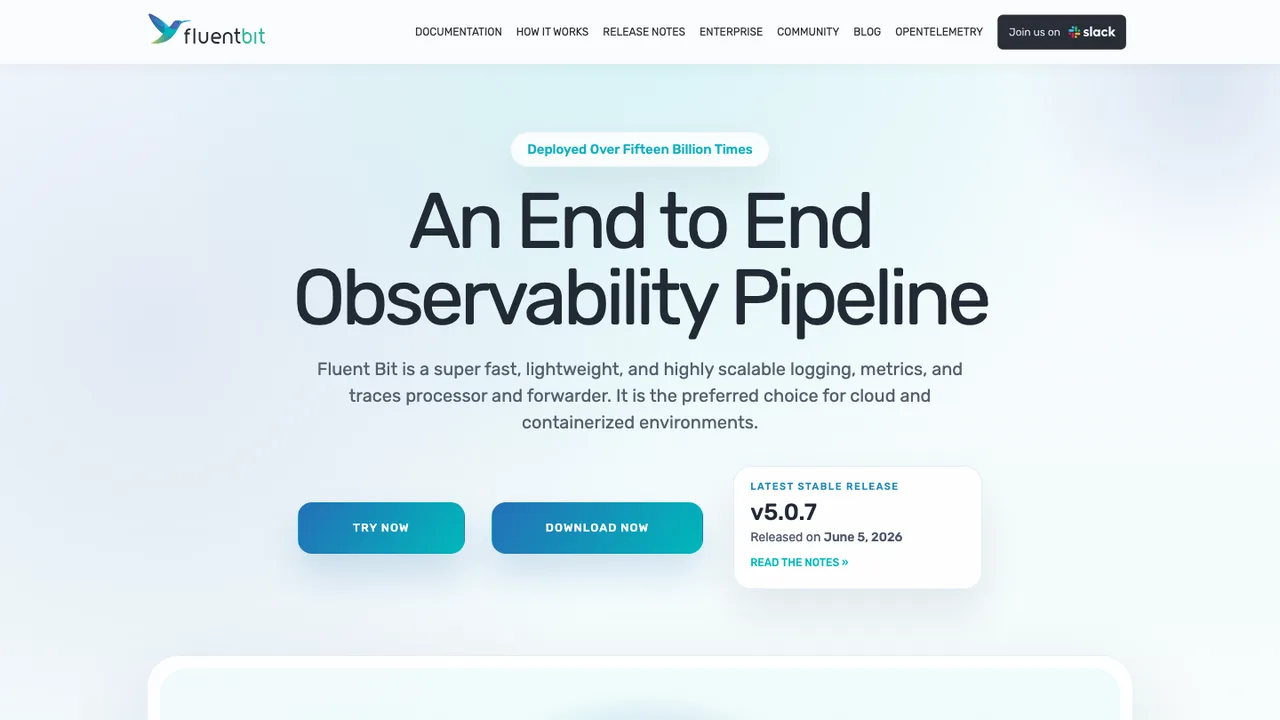
Fluent Bit is a lightweight telemetry agent for collecting, processing, and forwarding logs, metrics, and traces from any source to any destination. It is built for Linux, Windows, macOS, BSD, and embedded environments, and is designed to use minimal CPU and memory.

  • 70+ built-in plugins for inputs, filters, and outputs
  • SQL stream processing for analytics and transformations
  • Built-in TLS and SSL support with async I/O
  • Internal metrics exposed over HTTP and Prometheus
Coroot logo

14.Coroot

7.8kApache-2.0Go Self-host
Coroot screenshot

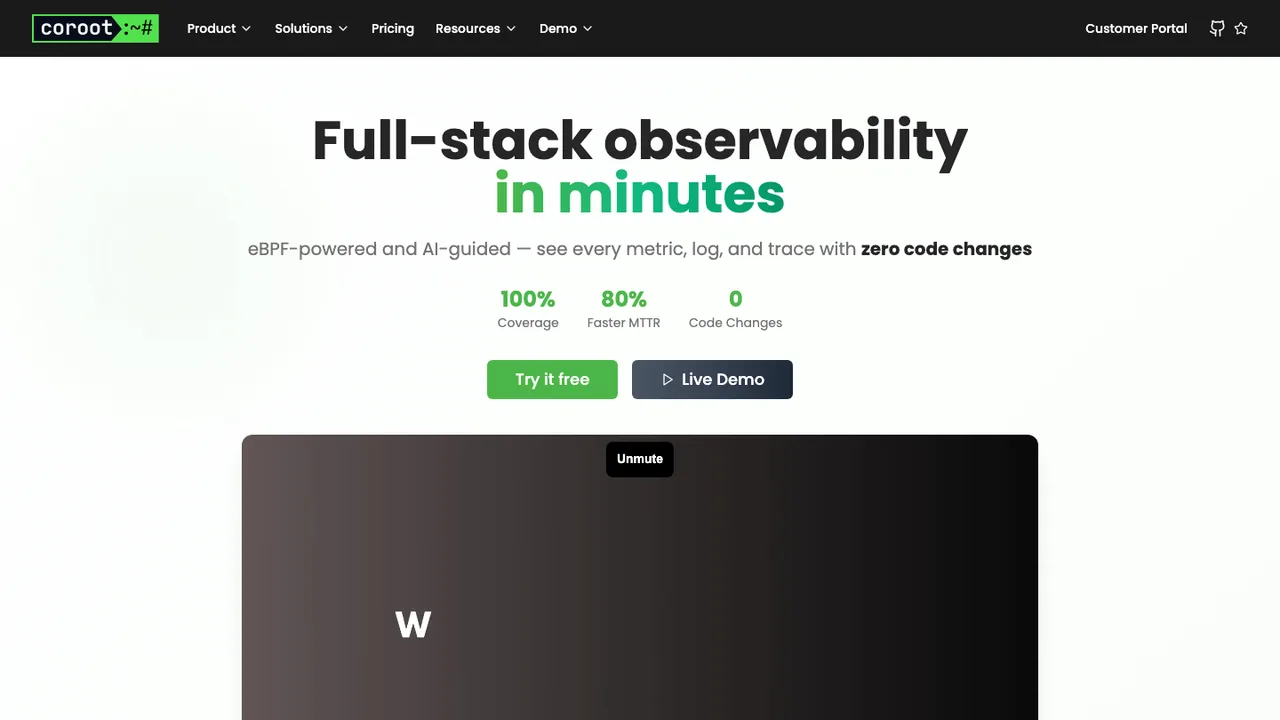
Coroot is an open source observability and APM tool that brings metrics, logs, traces, and profiles together in one place. It cuts down manual investigation by turning that telemetry into actionable insights, including automated root cause analysis and SLO-based alerting.

  • Automatic collection of metrics, logs, traces, and profiles via eBPF
  • eBPF instrumentation with zero code changes
  • Service map, predefined inspections, and SLO-based alerting
  • Distributed tracing and continuous profiling
Uptrace logo

15.Uptrace

4.2kAGPL-3.0Go Self-host
Uptrace screenshot

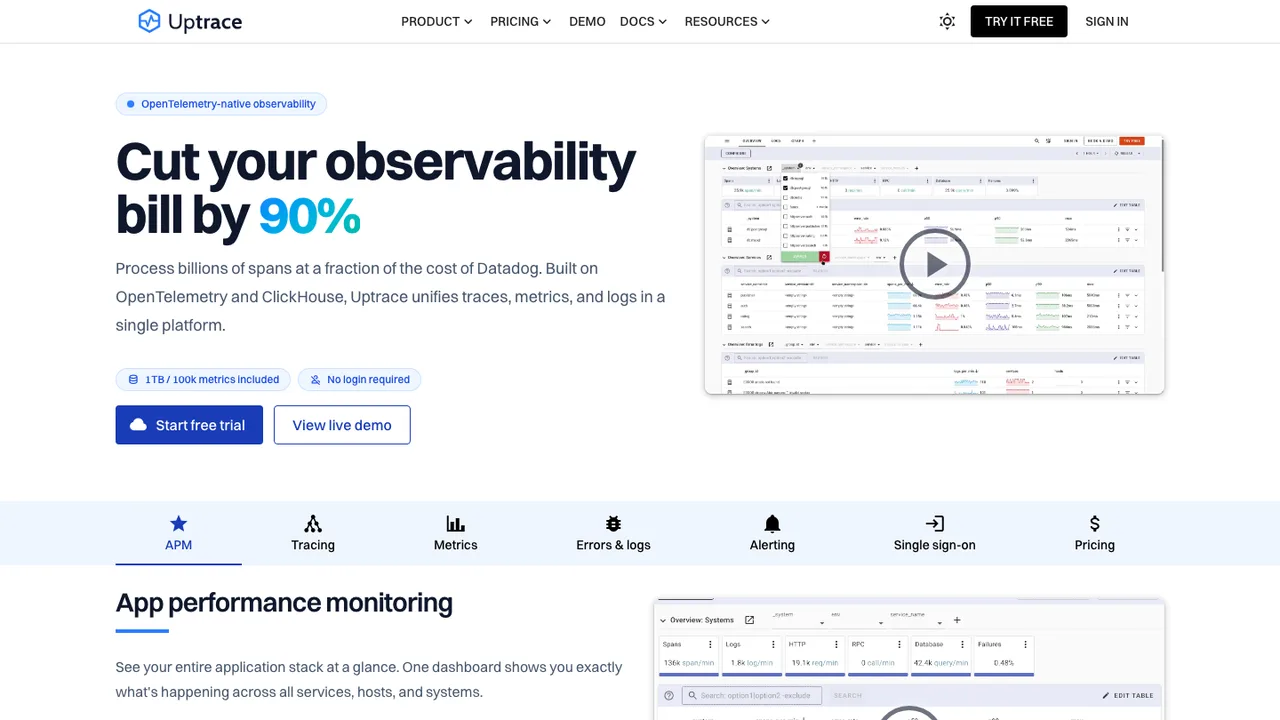
Uptrace is an open source APM for monitoring applications and troubleshooting issues with OpenTelemetry traces, metrics, and logs. It is built for teams that want a single place to follow application behavior across telemetry data.

  • Single UI for traces, metrics, and logs
  • 50+ pre-built dashboards
  • Alerting with Email, Slack, WebHook, and AlertManager
  • SQL-like span queries and Promql-like metric queries
Elastic APM logo

16.Elastic APM

1.3kOtherGo Self-host
Elastic APM screenshot

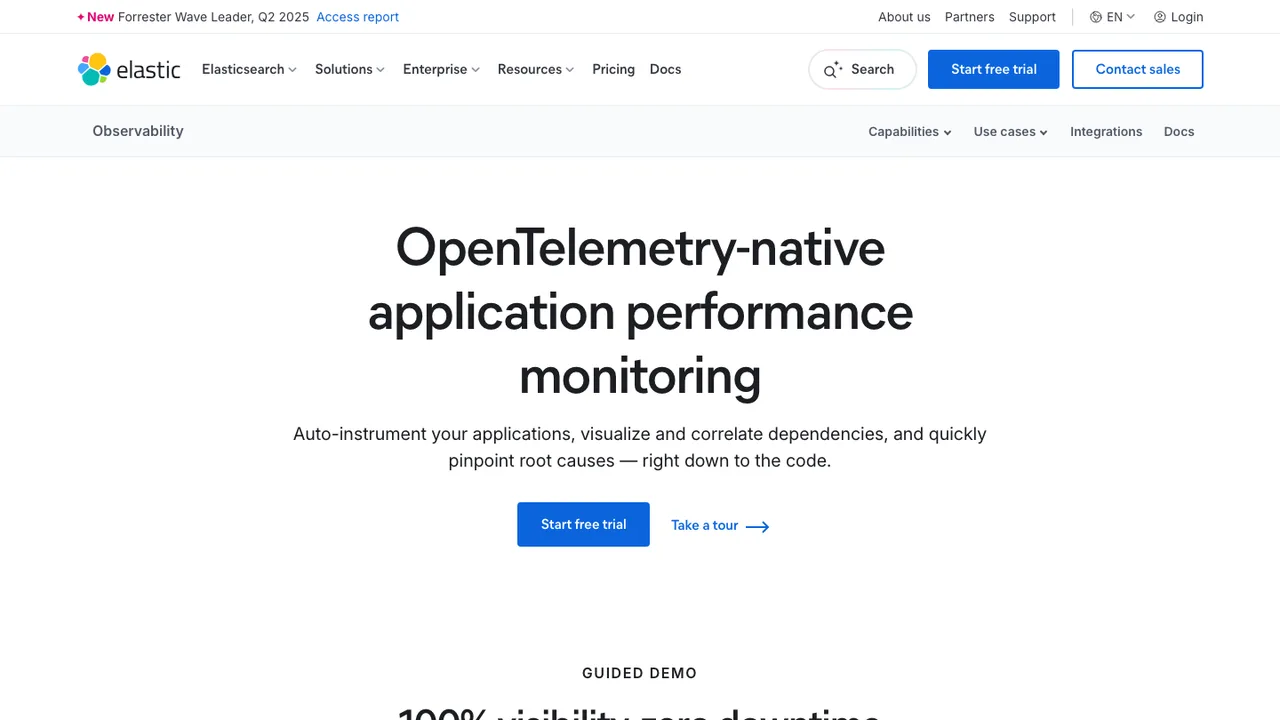
Elastic APM Server is the application performance monitoring component of Elastic Observability. It receives data from Elastic APM agents instrumented in your applications and turns it into Elasticsearch documents, so performance data lands in the same store as your logs and metrics for hybrid-cloud applications.

  • Ingests data from Elastic APM agents
  • Stores APM data as Elasticsearch documents
  • End-to-end distributed tracing with metrics and logs in context
  • Accepts OpenTelemetry data

Related alternatives