15 open source alternatives100% OSI-approved licensesUpdated June 2026
Discord nailed real-time community: instant voice, organized text channels, roles, and low-friction invites that made it the default home for everything from game clans to open source projects. As a place to gather people quickly, little else comes close. The catch is whose house you are gathering in. Your server, its entire message history, and the relationships built inside it all live on Discord's infrastructure under Discord's terms, which means moderation decisions, feature changes, and the platform's commercial direction are set above your head - and a community that took years to build can't simply be picked up and carried out.
The open source alternatives below recreate the channels-and-communities model on servers you host. The conversation history and member data sit on infrastructure you control rather than a third party's cloud, so the rules of your community are yours to set, and no policy change somewhere else can lock you out of the space you built.
Discourse is an open-source community platform for running discussion forums on infrastructure you control. You create discussion topics to organize conversation, giving a community a single online home, with an optional hosted service if you would rather not manage your own server.
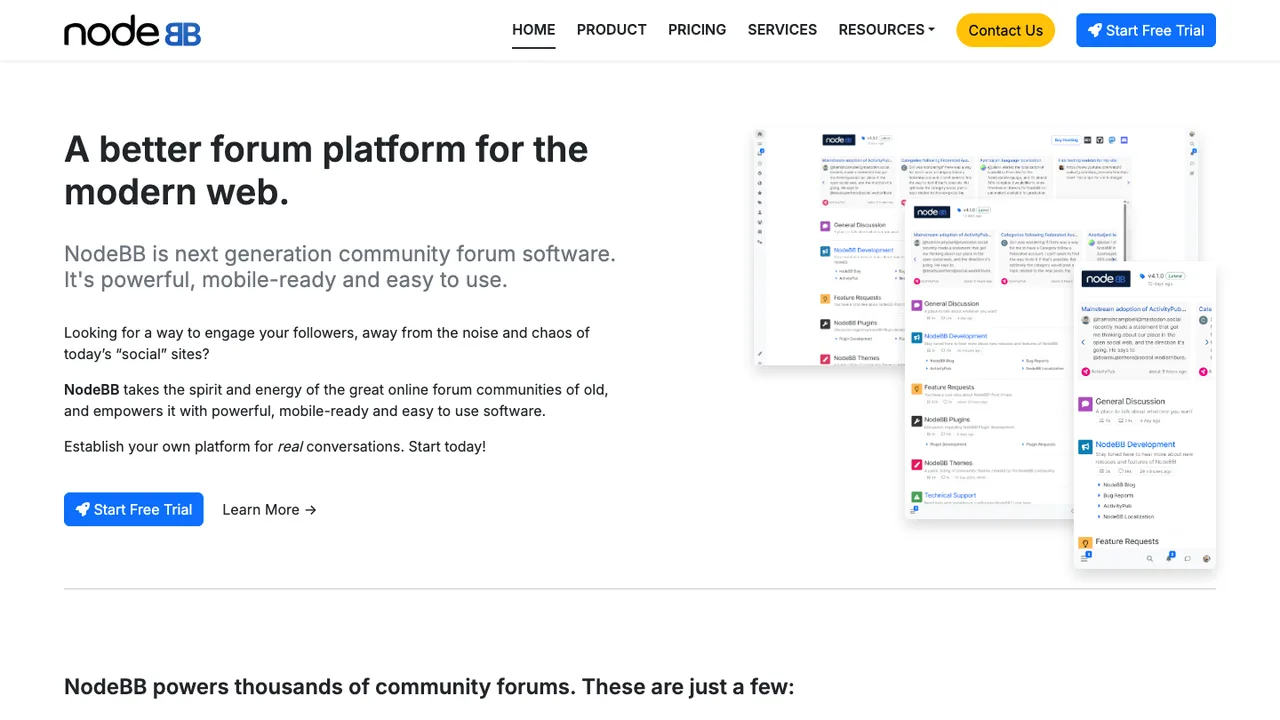
NodeBB is forum software powered by Node.js for building discussion communities on the web. It keeps the bulletin board model of categorical hierarchies, local user accounts, and asynchronous messaging, while adding real-time streaming discussions, mobile responsiveness, and rich RESTful read and write APIs.
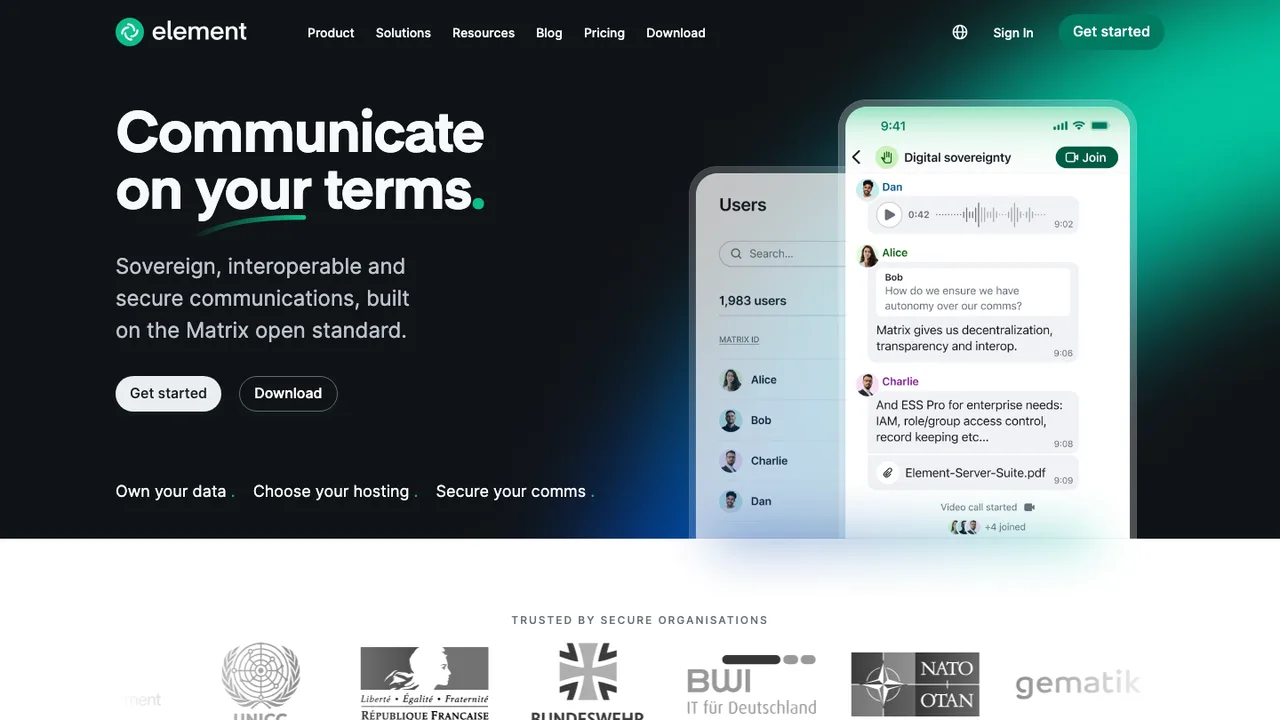
Element is a Matrix web and desktop client for secure messaging and collaboration. It connects people on the open Matrix network and can be self-hosted or used through Element Matrix Services, giving organizations a choice of where their data lives.
Matrix-based web client for messaging and collaboration
SimpleX Chat is a private and encrypted messenger for people who want to communicate without user identifiers of any kind, not even random ones. It protects messages and metadata, including who you talk to and when, and lets you make a private connection before any messaging starts.
No user identifiers; connect by link or QR code
Protects messages and metadata
Double ratchet end to end encryption with an extra layer
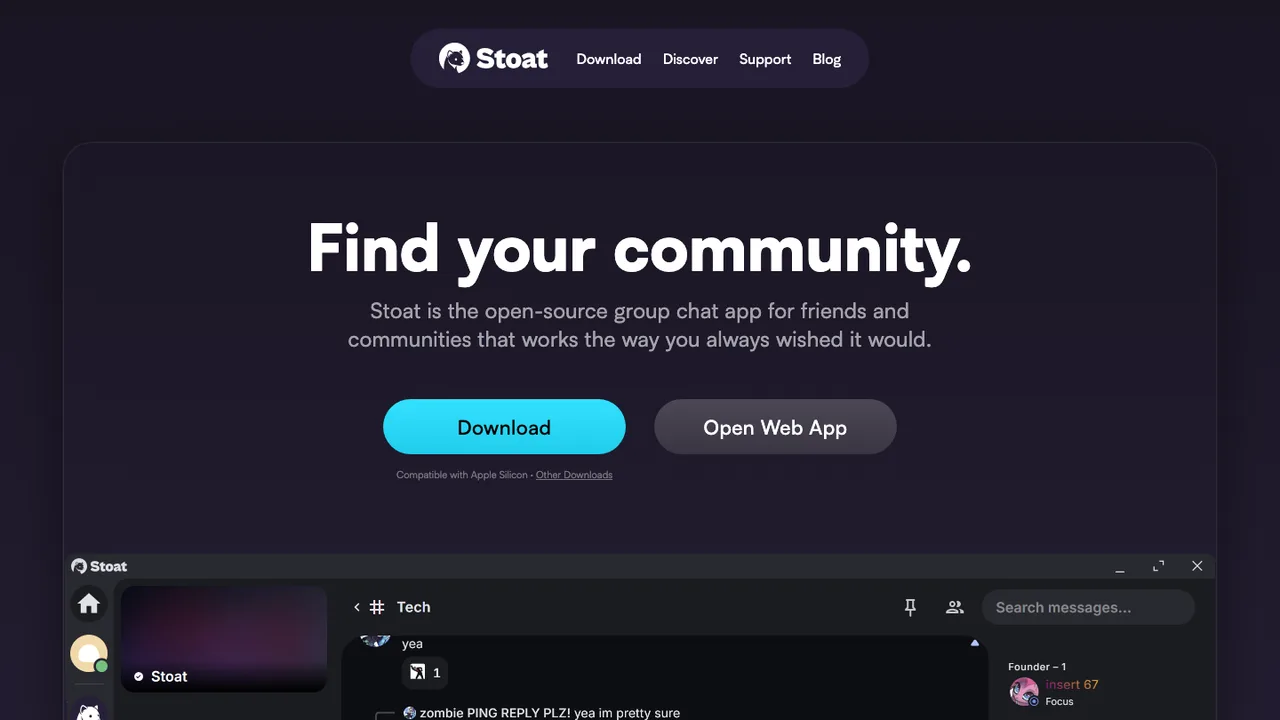
Stoat is an open source chat app for friends and communities, in the style of Discord. It centers on servers and channels where groups can talk in real time, with customization as a core theme of the project.
Servers and channels for friends and communities
Real-time messaging backend in Rust
MongoDB storage with Redis for messaging and caching
Vanilla is open source forum software for building community discussions that you can customize to fit the group using them. It has powered tens of thousands of community forums, and is built so designers and developers can craft an environment tailored to a community's particular needs.
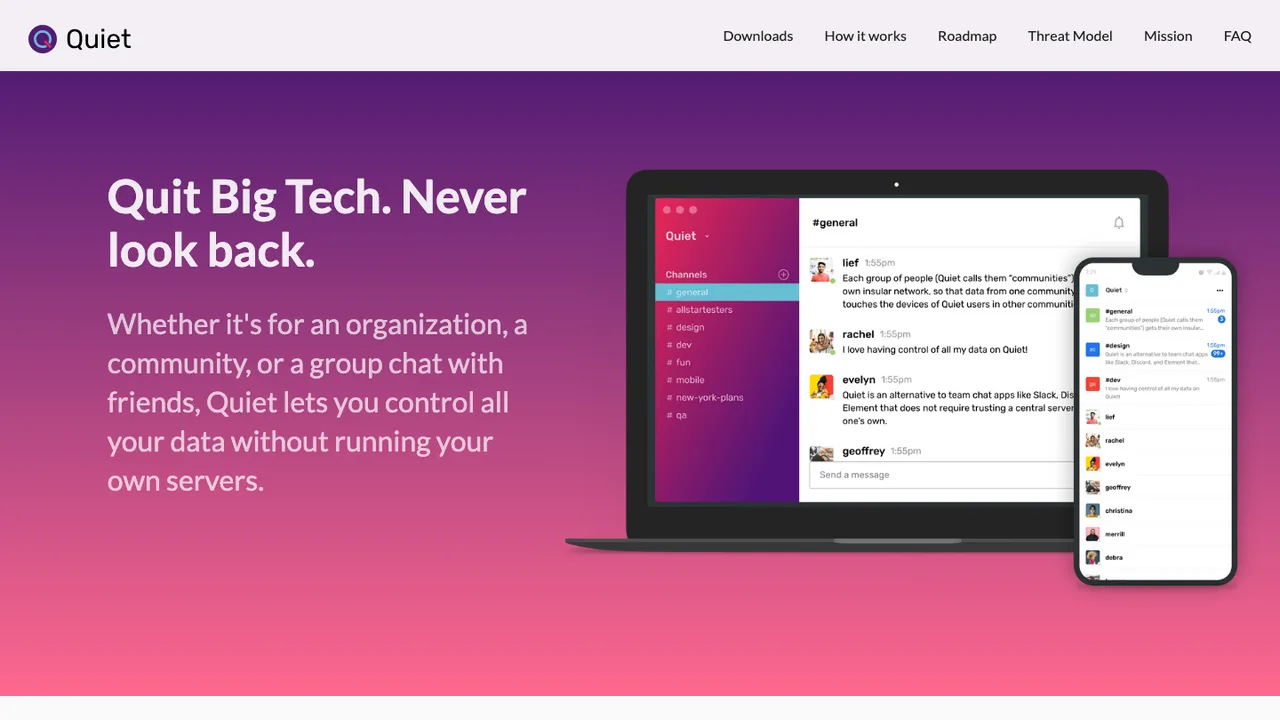
Quiet is a private team chat app for groups that do not want a central server. It is an alternative to Slack, Discord, and Element, and it syncs data directly between team devices over Tor with no server required.
Spacebar is an open source reimplementation and extension of the Discord backend. It lets you run a Discord-compatible chat server on infrastructure you control, staying backwards compatible with existing bots, applications, and clients while adding features of its own.
HTTP API server and WebSocket Gateway server
HTTP CDN server and WebRTC server
Backward compatible with existing bots, applications, and clients
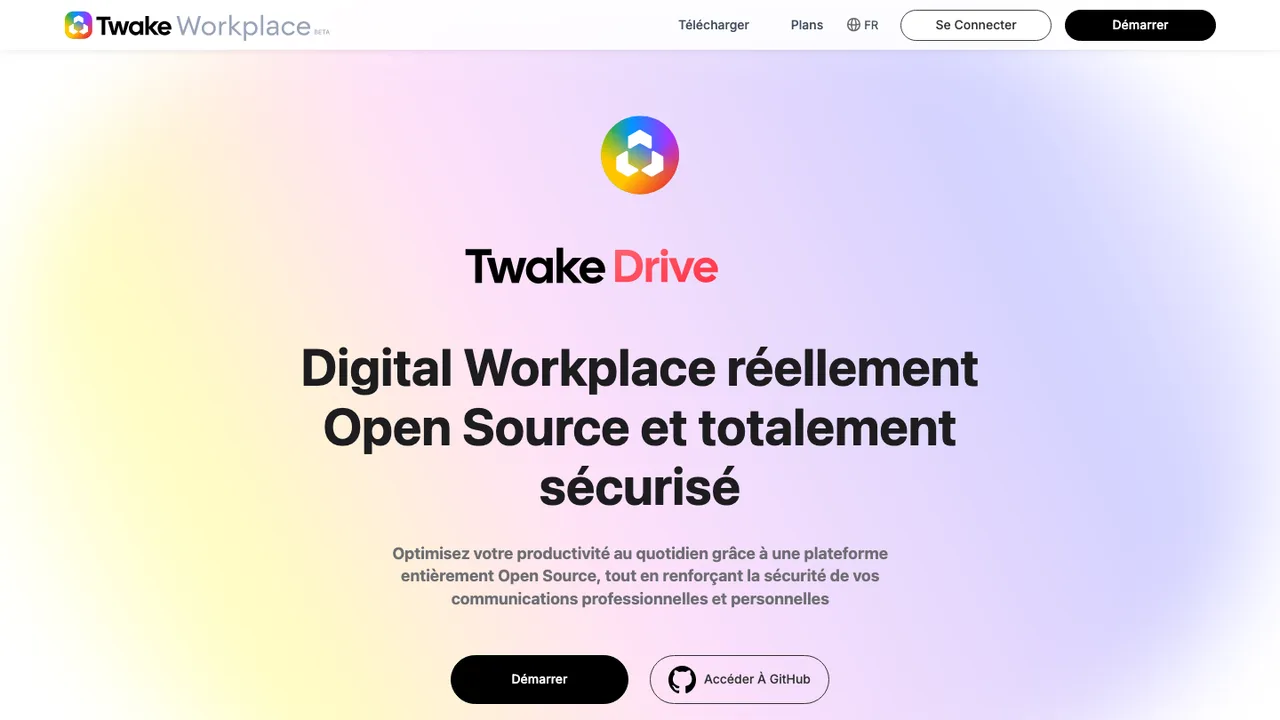
Twake is a secure open source collaboration platform built to improve how organizations work together. It brings team chat, file storage, a shared team calendar, task management, video calls, and real-time document collaboration into a single digital workplace.
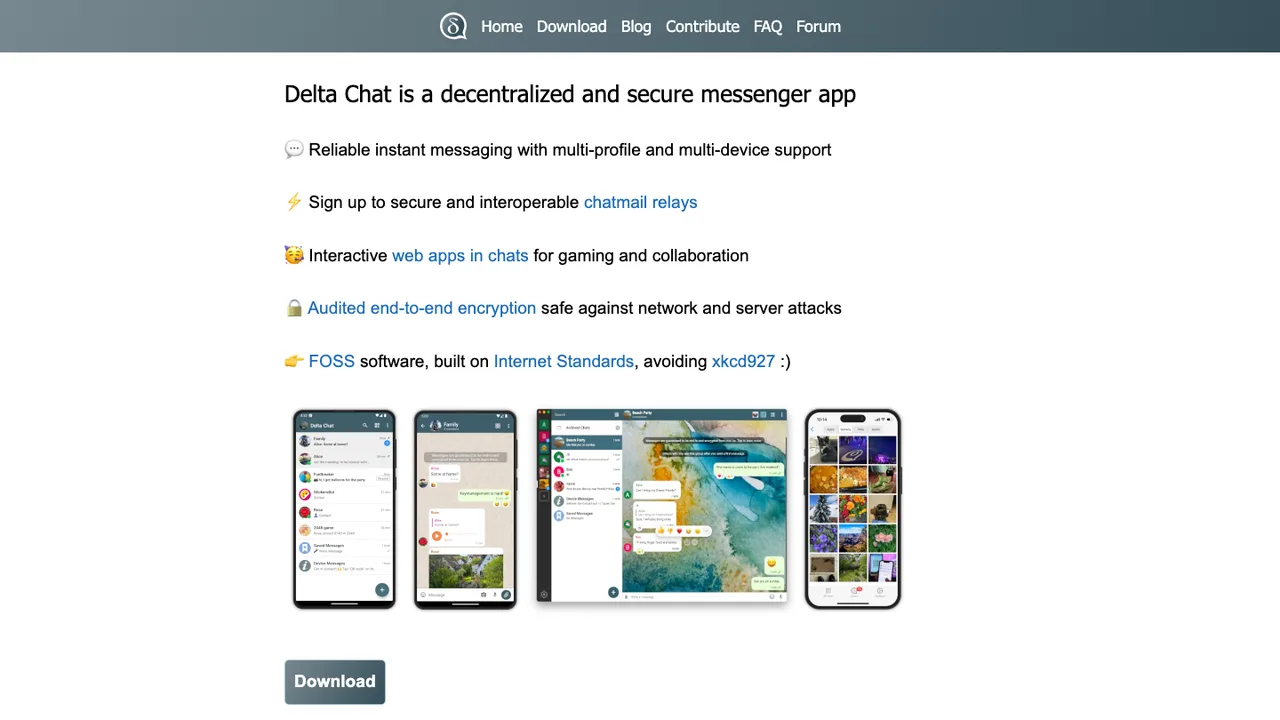
Delta Chat is a decentralized, secure messenger that delivers chats over the email network. Instead of a proprietary server, it can sign up to interoperable chatmail relays, so your messages travel like email but stay end-to-end encrypted.
Decentralized chat that travels over the email network
End-to-end encrypted messaging without a phone number
Multiple profiles and multiple devices
Chat-shared tools and small games inside conversations
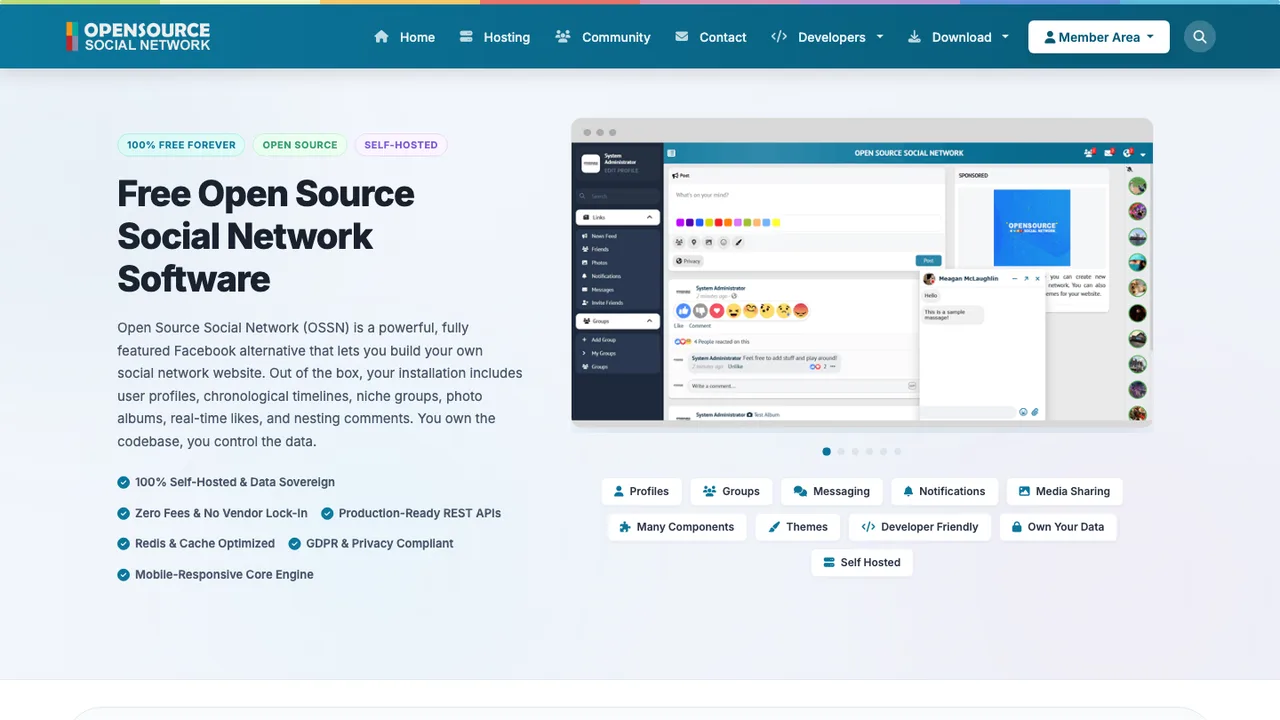
Open Source Social Network (OSSN) is social networking software written in PHP for running your own community site. It gives members user profiles, friend connections, and a shared space to post, share interests, and form relationships, with support for more than 20 languages to reach a global audience.
User profiles with friends, following, and messaging
Wall posts with likes, reactions, comments, and mentions
Wire is a secure messenger built for organizations and trusted by millions of people worldwide. It is designed around end-to-end encryption, so message content stays protected and collaboration happens without compromising on privacy.
End-to-end encrypted messaging for organizations
Browser-based web client for team collaboration
Open source client you can build and run yourself
Self-hosted deployment via packaged server or Docker
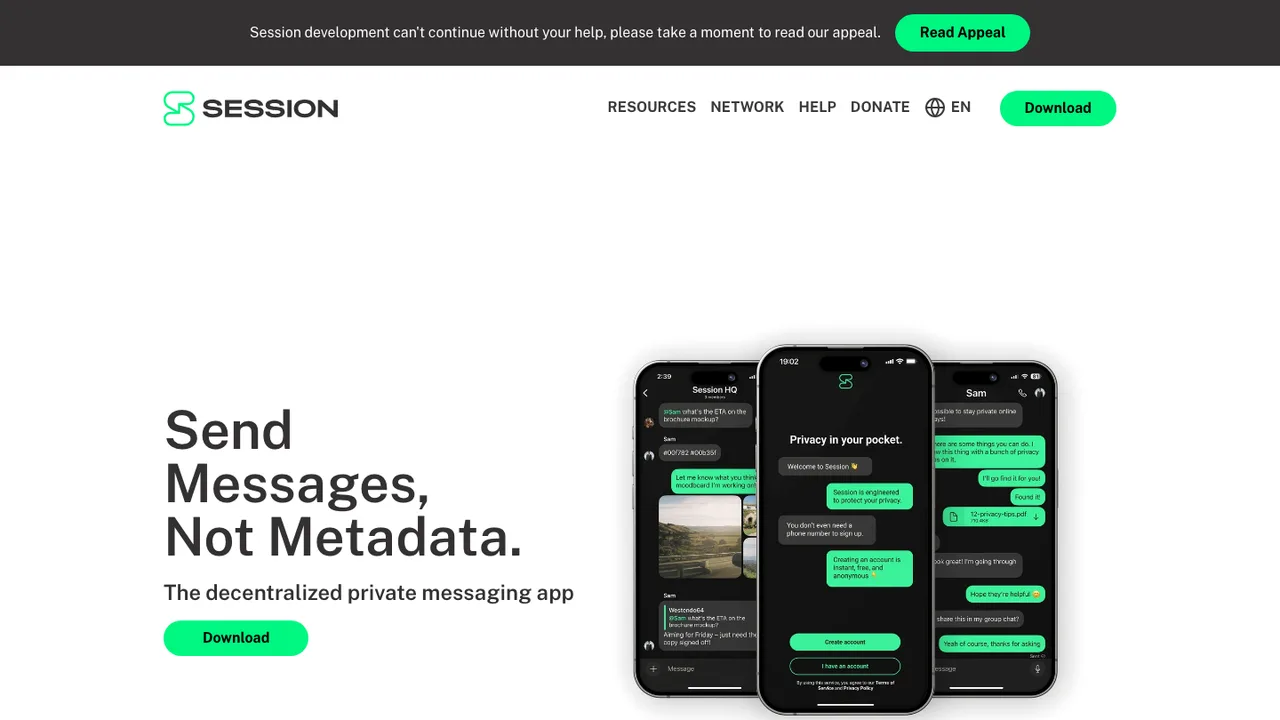
Session is a private messenger for Android that aims to remove any chance of metadata collection. It routes all messages through an onion routing network that obfuscates users' IP addresses, so you can talk without handing over a phone number, an email, or the connection details that usually trail a conversation.
Onion routing that obfuscates users' IP addresses
No metadata collection of message routing
Decentralized Oxen Service Node network, no central server
Service Nodes store messages offline for later delivery
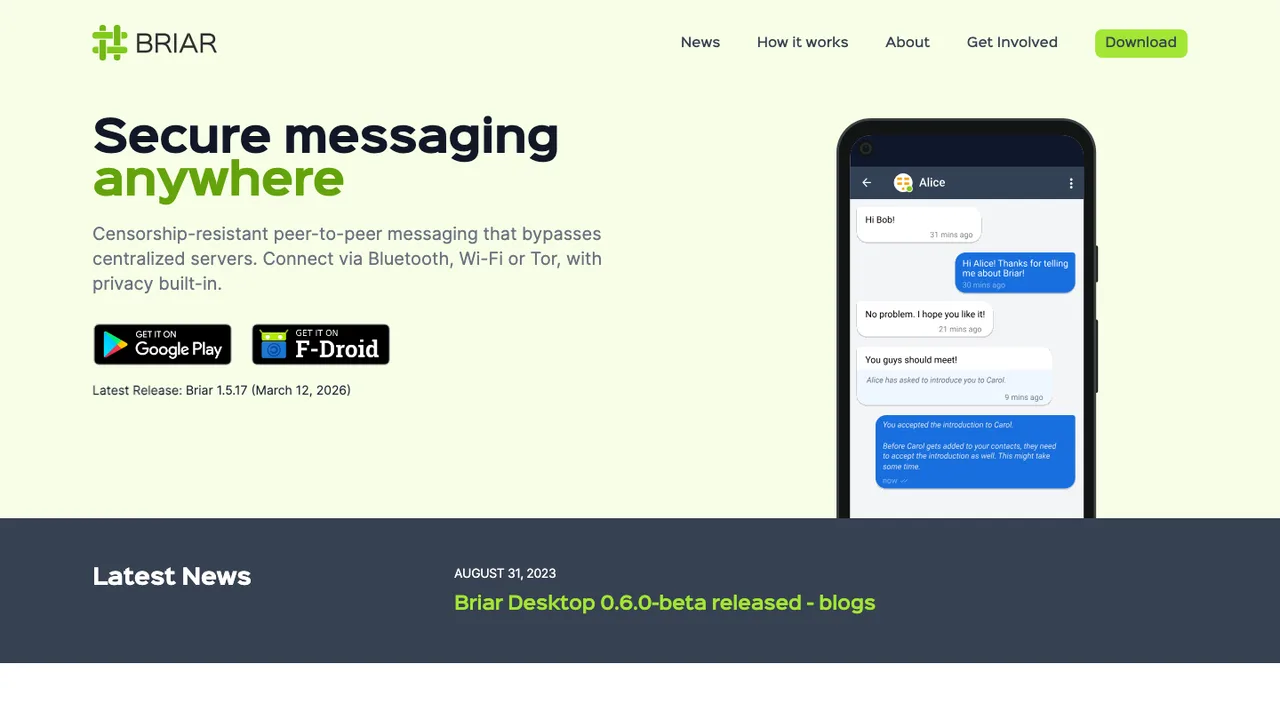
Briar is a messaging app for activists, journalists, and anyone who needs a safe way to communicate. It does not rely on a central server, so messages sync directly between users' devices instead of through a hosted service.
Direct device-to-device message sync without a central server
Sync over Bluetooth or Wi-Fi when the Internet is unavailable
Sync over Tor to resist surveillance when online
Messages and contacts stored only on your own devices
Jami is a distributed, open source communication platform. Rather than routing conversations through a central service, it is built as a distributed system, which keeps communication in the hands of the people using it.
Distributed communication platform with no central service
Daemon plus client architecture shared across platforms