8 Best Open Source Alternatives to TeamViewer

8 open source alternatives100% OSI-approved licensesUpdated June 2026

TeamViewer made remote access feel trivial: install it on both ends and you're driving someone's desktop through almost any firewall, no networking knowledge required. For one-off support that convenience is hard to argue with. The reasons people leave tend to be the same two - cost and trust. Licensing has a reputation for getting expensive and for flagging ordinary personal use as commercial, and the entire session routes through TeamViewer's own relay servers, which is precisely the dependency a security-minded team doesn't want sitting between their admins and their machines.

The open source alternative below takes a different shape: a self-hosted gateway you reach from a plain browser, brokering RDP, VNC, and SSH to the machines behind it. There's no agent to license on every endpoint and no third-party relay in the path - the access server runs on your own infrastructure, so the only thing standing between a user and a remote session is software you host and control.

RustDesk logo

1.RustDesk

116.2kAGPL-3.0Rust Self-host
RustDesk screenshot

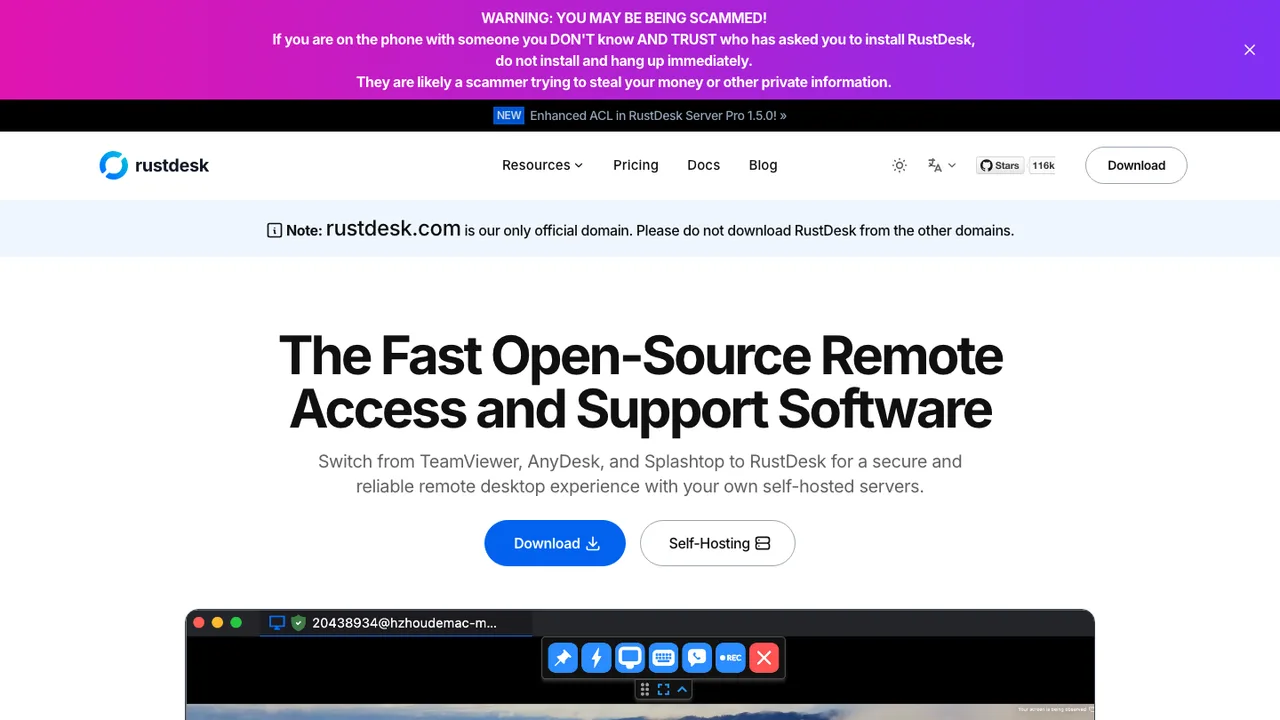
RustDesk is an open-source remote desktop application for accessing and controlling machines across Windows, macOS, Linux, and Android. Designed as an alternative to TeamViewer, it works out of the box with no configuration required and gives you full control of your data.

  • Remote desktop access and control
  • Peer connections with direct or relayed routing
  • Audio, clipboard, input, and video handling
  • File copy and paste between systems
JumpServer logo

2.JumpServer

30.6kGPL-3.0Python Self-host
JumpServer screenshot

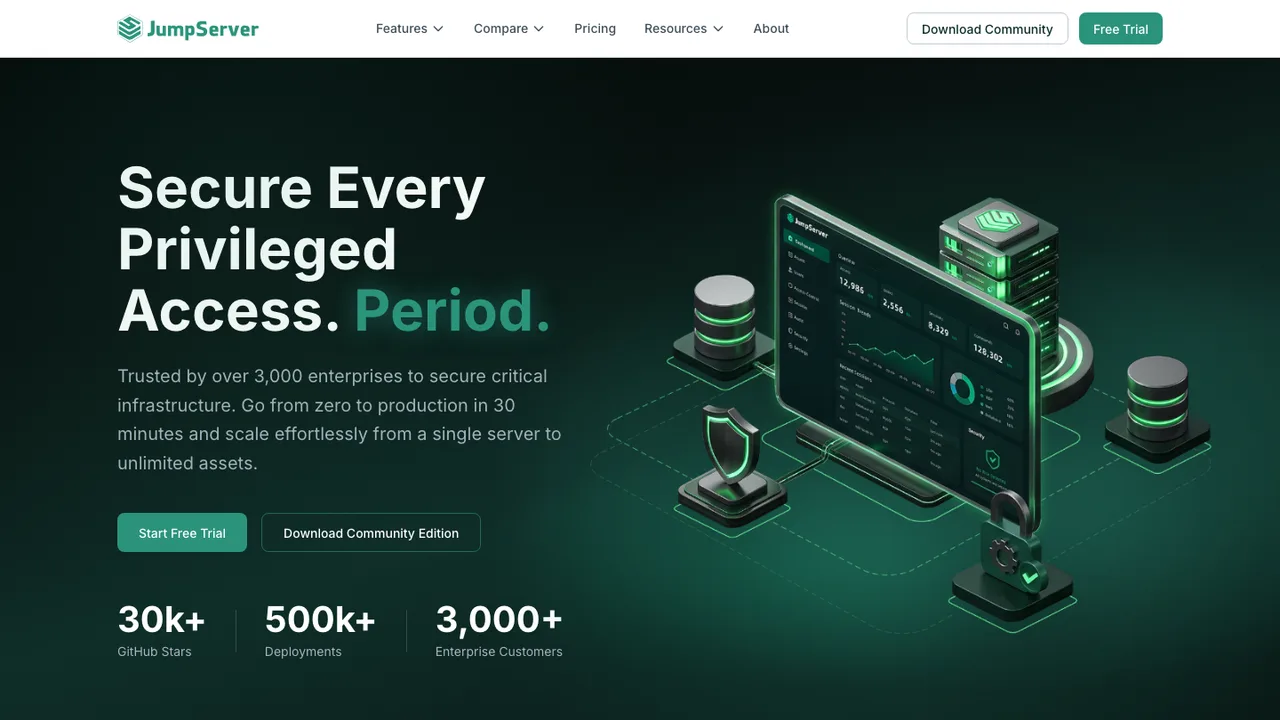
JumpServer is an open-source Privileged Access Management platform and bastion host for DevOps and IT teams. It provides on-demand access to SSH, RDP, Kubernetes, database, and RemoteApp endpoints from a web browser, centralizing privileged endpoint access in one web interface.

  • Browser access to SSH, RDP, Kubernetes, database, and RemoteApp endpoints
  • Privileged access management for DevOps and IT teams
  • Operations management and security control across multiple components
  • Quickstart install for a clean Linux server
Teleport logo

3.Teleport

20.5kAGPL-3.0Go Self-host
Teleport screenshot

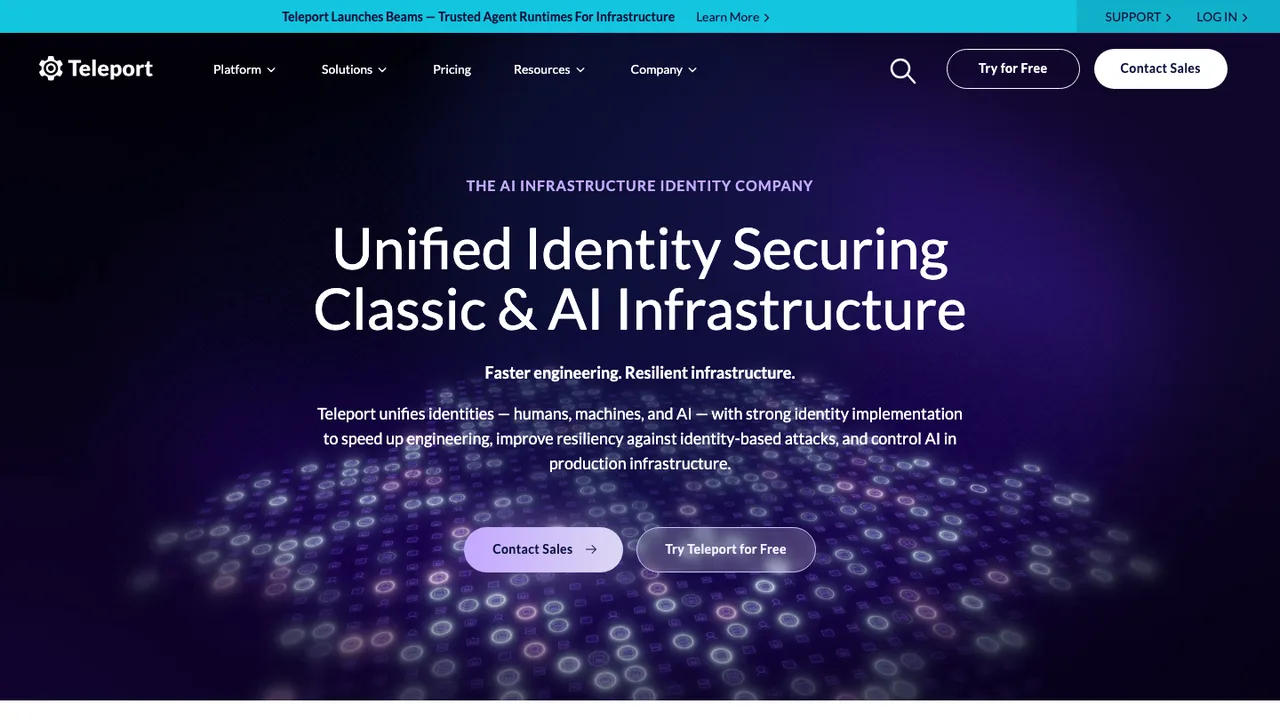
Teleport is an infrastructure access platform for connectivity, authentication, access controls, and audit. It provides one identity and access layer for cloud and on-prem infrastructure, covering human users and workloads. It protects SSH servers, Kubernetes clusters, databases, Windows desktops, web apps, cloud APIs, Git repositories, and MCP servers without long-lived keys or passwords.

  • SSO for cloud and on-prem infrastructure
  • Short-lived certificate auth without shared SSH keys
  • Access to SSH, Kubernetes, databases, RDP, web apps, and cloud APIs
  • Tunnels to resources behind NATs and firewalls without VPNs
Firezone logo

4.Firezone

8.7kApache-2.0Elixir Self-host
Firezone screenshot

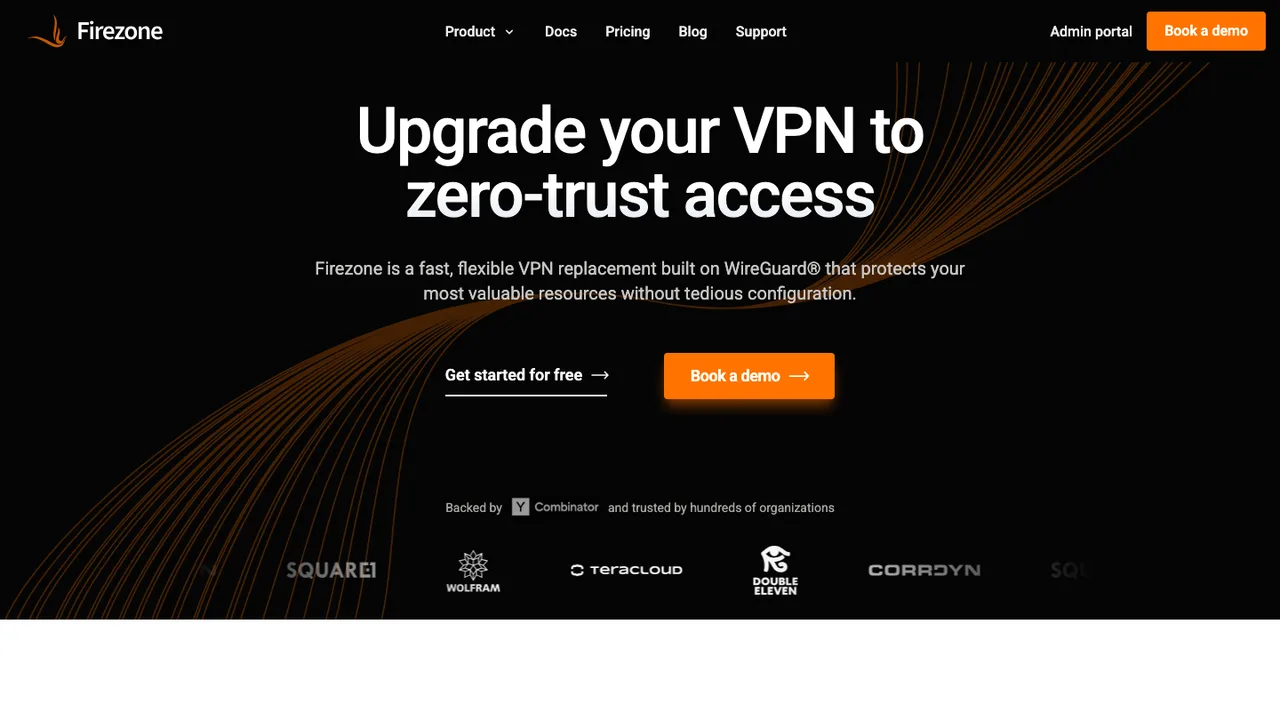
Firezone securely manages remote access for organizations of any size. It takes a least-privileged approach with group-based policies that control access to individual applications, entire subnets, or anything in between. Built on WireGuard, it serves as a replacement for traditional VPN setups.

  • Group-based least-privileged access policies
  • Peer-to-peer, end-to-end encrypted WireGuard tunnels
  • SSO via email, Google Workspace, Okta, Entra ID, or OIDC
  • Automatic user and group directory sync
Boundary logo

5.Boundary

4kOtherGo Self-host
Boundary screenshot

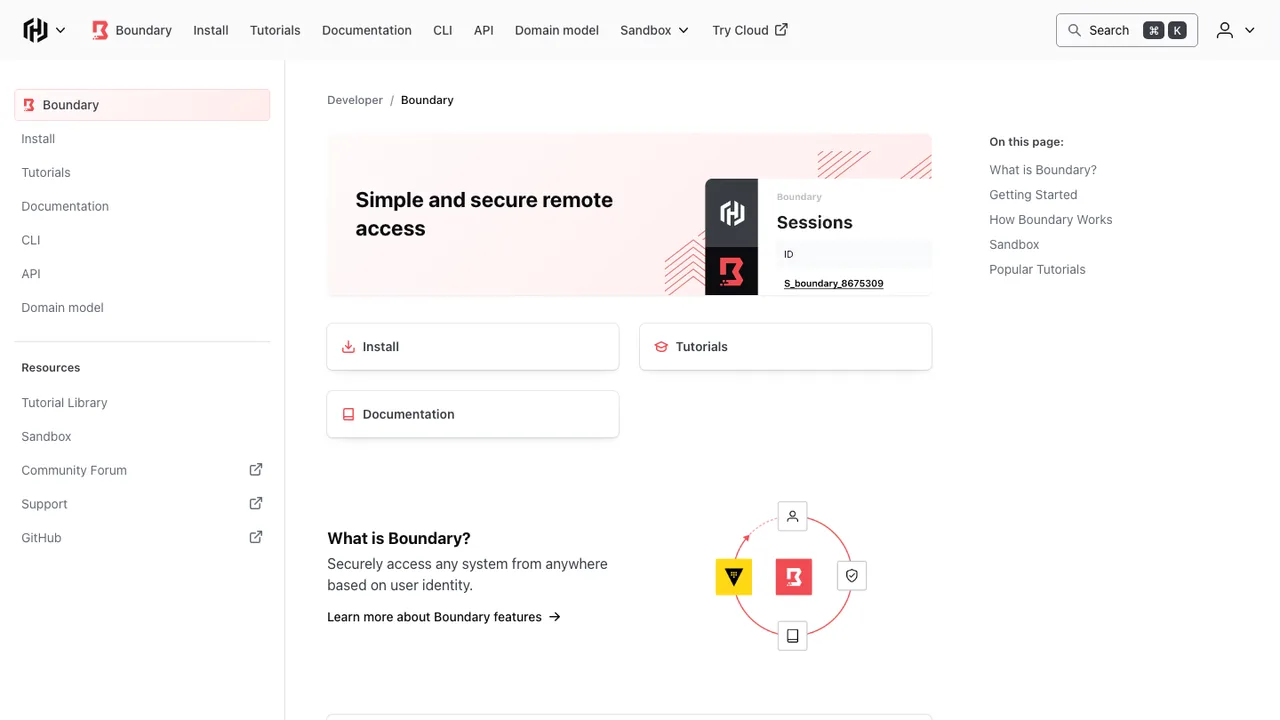
Boundary is an identity-aware proxy for accessing hosts and critical systems on a network. It provides a way to sign in with an IdP, control who can reach resources, and manage privileged sessions without installing software on every host.

  • OpenID Connect sign-in with your IdP
  • Just-in-time network access to resources
  • Native static credential store or Vault-based dynamic credentials
  • Session controls for privileged access
Bastillion logo

6.Bastillion

3.5kOtherJava Self-host
Bastillion screenshot

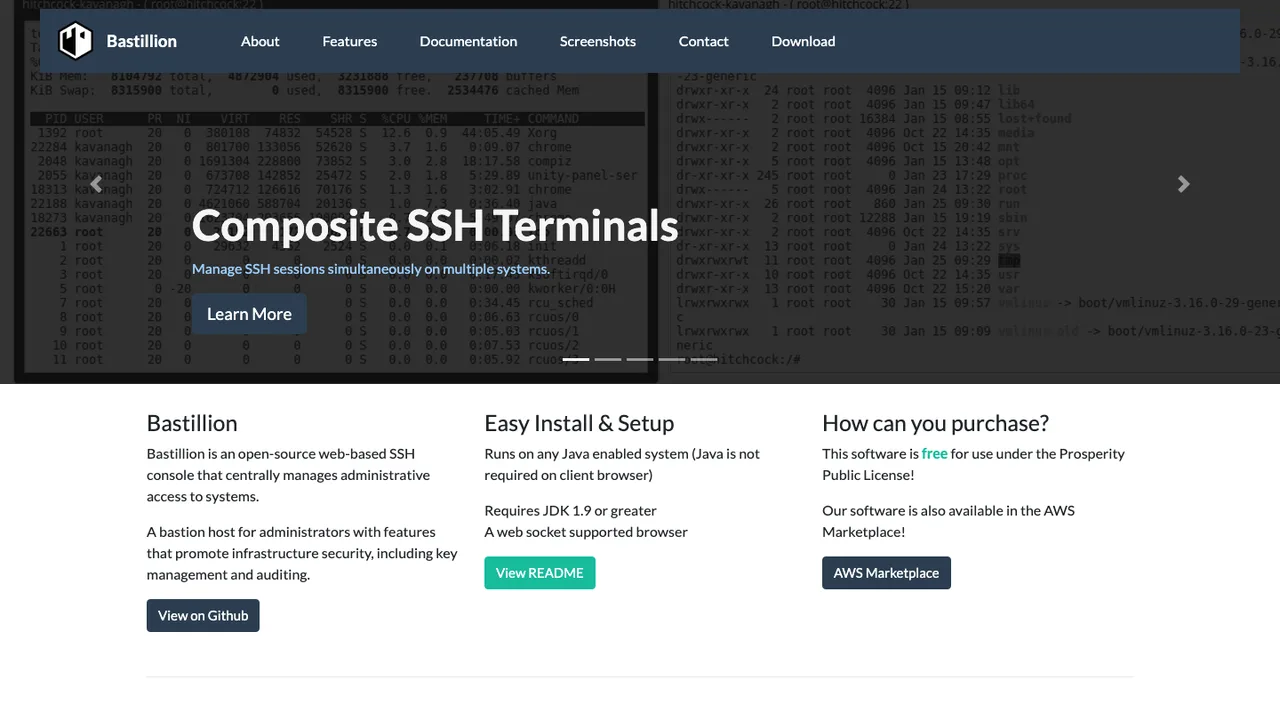
Bastillion is a web-based SSH console and key management tool for centrally managing administrative access to systems. It acts as a bastion host, giving administrators a browser interface for SSH access instead of connecting to each system directly.

  • Browser-based SSH console for administrative access
  • SSH public key management and distribution
  • 2-factor login with Authy or Google Authenticator
  • Secure web shells with command sharing across sessions
ShellHub logo

7.ShellHub

2kApache-2.0TypeScript Self-host
ShellHub screenshot

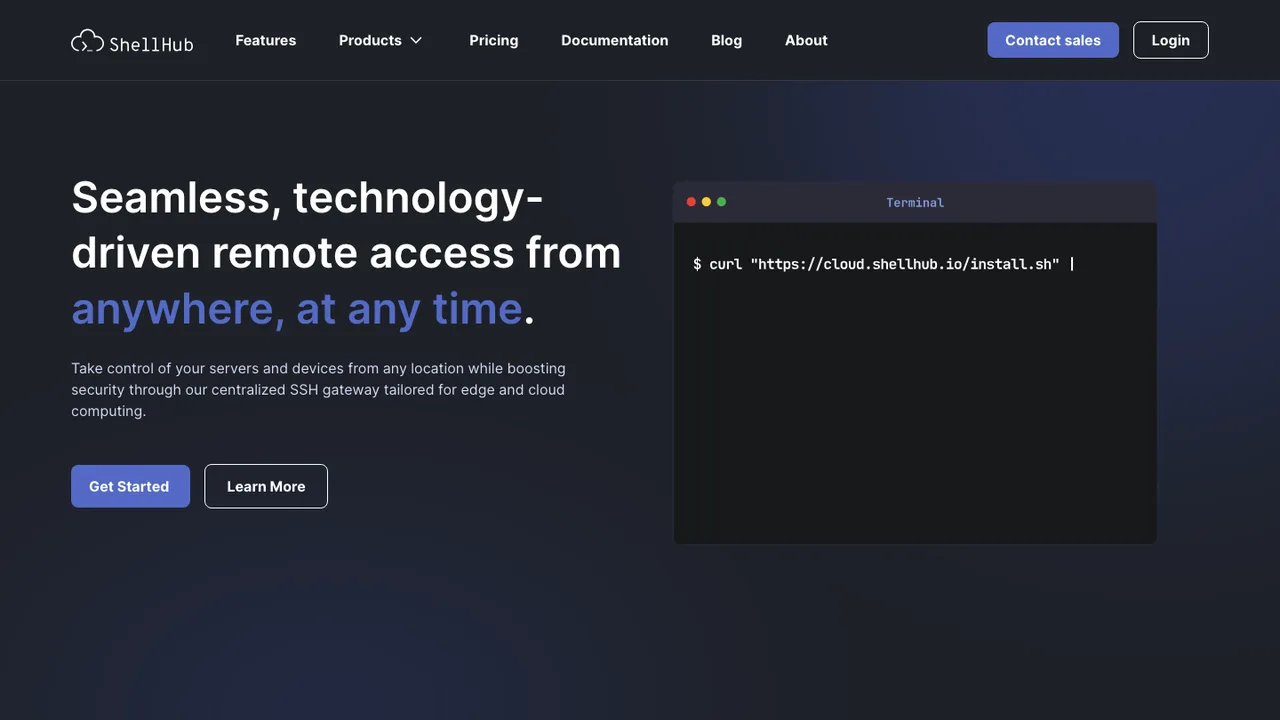
ShellHub is a centralized SSH gateway for remotely accessing and managing Linux servers, embedded Linux devices, and IoT devices from anywhere with an internet connection. It removes the need to expose public IP addresses, change router settings, or rely on VPN, firewall changes, or jump hosts.

  • Native SSH access with OpenSSH Client and PuTTY
  • SCP and SFTP file transfer support
  • SSH port forwarding, including SOCKS proxy use
  • Public-key authentication and SSH firewall rules
Apache Guacamole logo

8.Apache Guacamole

1.7kApache-2.0Java Self-host
Apache Guacamole screenshot

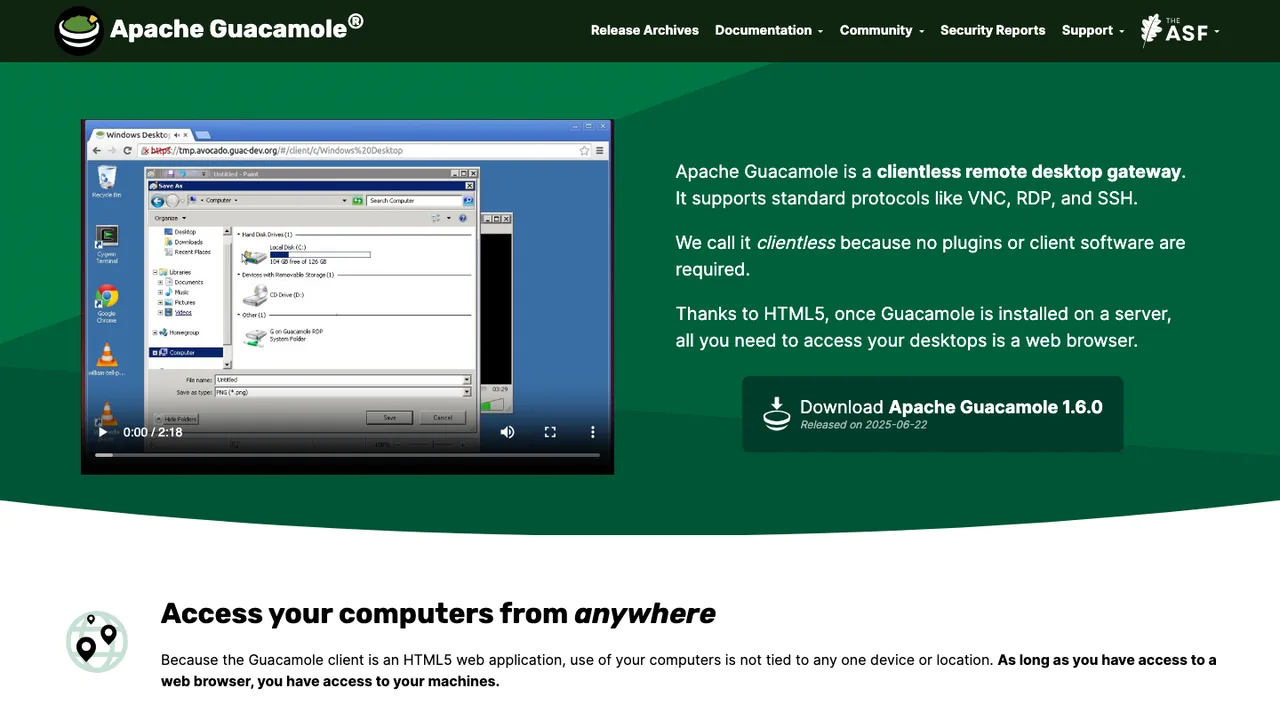
Apache Guacamole is an HTML5 web application that provides access to your desktop using remote desktop protocols. It is built to serve as a browser-based client for remote access, so you can connect without installing a native desktop app on the machine you are using.

  • HTML5 browser access to remote desktops
  • Supports the VNC, RDP, and SSH protocols
  • Clientless: no plugins or client software needed
  • Runs under servlet containers like Tomcat or Jetty

Related alternatives