9 Best Open Source Alternatives to Firebase

9 open source alternatives100% OSI-approved licensesUpdated June 2026

Firebase is a genuinely fast way to ship an app. Auth, a realtime database, hosting, functions, storage, and push messaging all come wired together behind Google's SDKs, so a small team can launch a working backend in an afternoon. The catch is how deeply that convenience binds you. Your data model, security rules, and client code are all written against proprietary Google APIs, so the day you outgrow it - on cost, on data residency, on query limits - leaving isn't a migration, it's a rewrite.

The open source backends below cover the same pieces but run on infrastructure you choose. You get standard databases and portable formats underneath, so your data stays yours and you can read, move, or self-host it without asking permission.

Strapi logo

1.Strapi

72.4kOtherTypeScript Self-host
Strapi screenshot

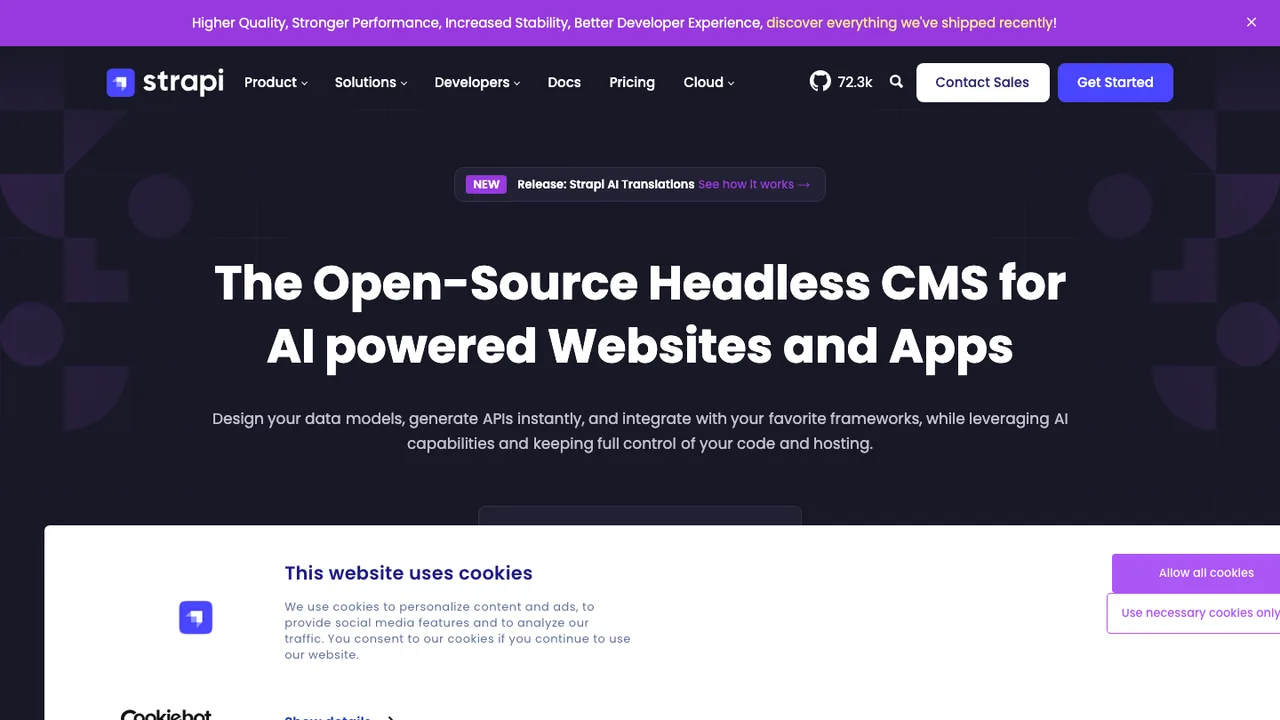
Strapi is a self-hosted headless CMS where you design content structures visually in the Content-Type Builder and it generates REST and GraphQL APIs for each type automatically. The same content can be delivered to any frontend, mobile app, or IoT device, and editors work in a friendly admin interface rather than in code.

  • Visual Content-Type Builder, no code required
  • Auto-generated REST and GraphQL APIs per content type
  • Granular roles and permissions
  • Media library, internationalization, and draft and publish
Coolify logo

2.Coolify

57kApache-2.0PHP Self-host
Coolify screenshot

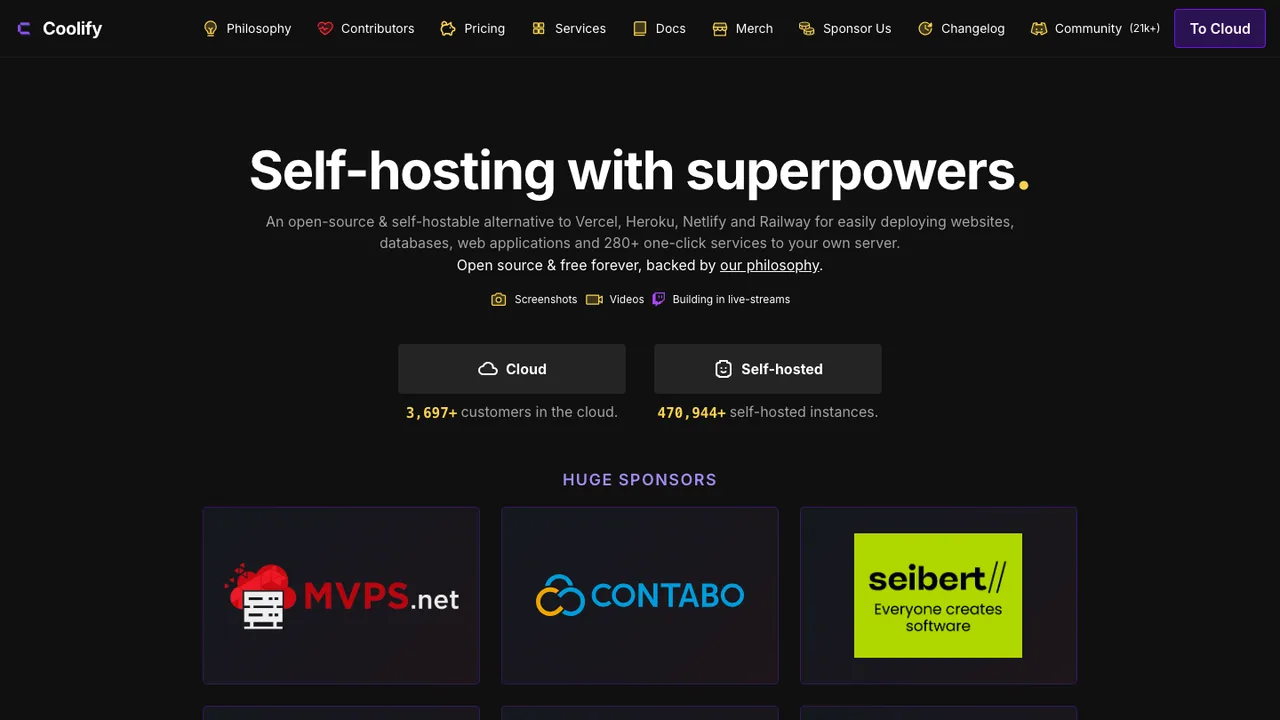
Coolify is a self-hostable PaaS for deploying static sites, full-stack applications, databases, and services to servers you own. It brings the convenience of a hosted deployment platform to your own VPS, bare metal, or Raspberry Pi hardware.

  • Manage servers, applications, and databases over SSH
  • Deploy static sites, databases, and full-stack applications
  • Manage VPS, bare metal, Raspberry Pi, and other servers
  • 280+ one-click services
Directus logo

3.Directus

36kOtherTypeScript Self-host
Directus screenshot

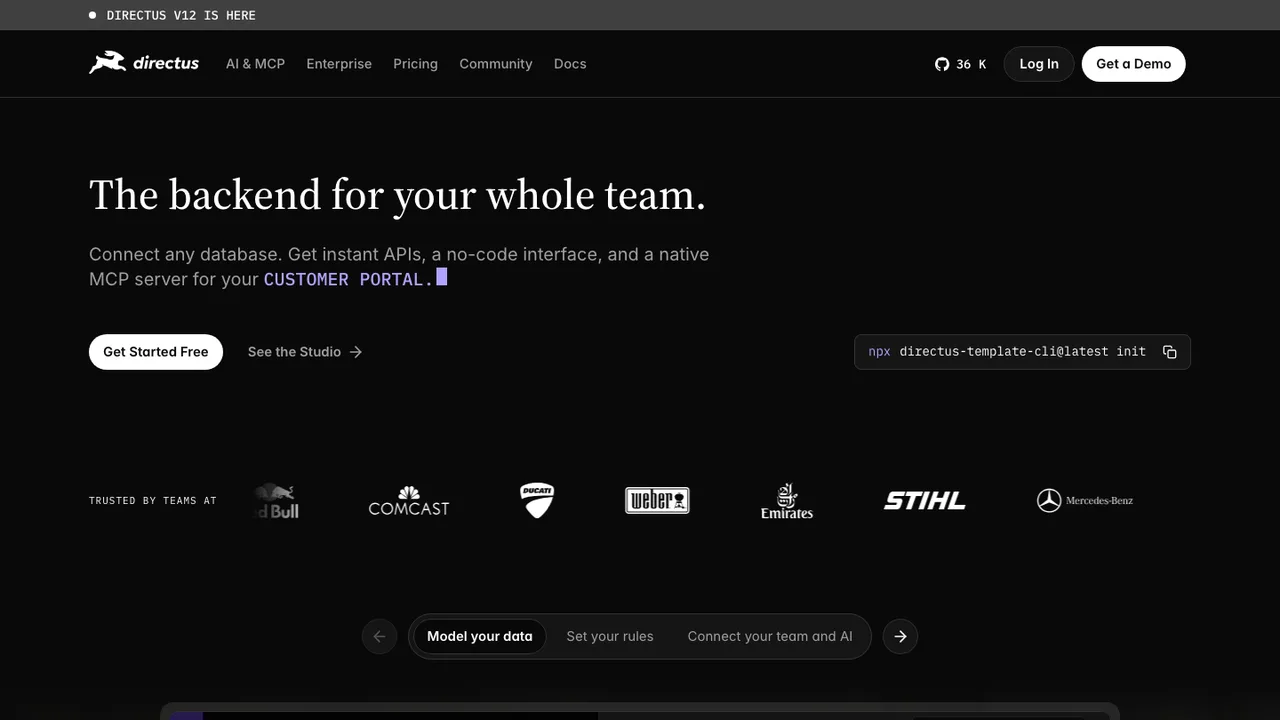
Directus points at a new or existing SQL database and layers instant REST and GraphQL APIs, authentication, and a content app on top, with no schema migration required. The same data can be edited in the admin app, queried from a frontend, or driven by automation, so one database backs websites, apps, and internal tools at once.

  • Instant REST and GraphQL APIs over SQL databases
  • Connects to new or existing databases without migration
  • No-code Vue.js admin app for content editing
  • Authentication, roles, and permissions
SuperTokens logo

4.SuperTokens

15.1kOtherJava Self-host
SuperTokens screenshot

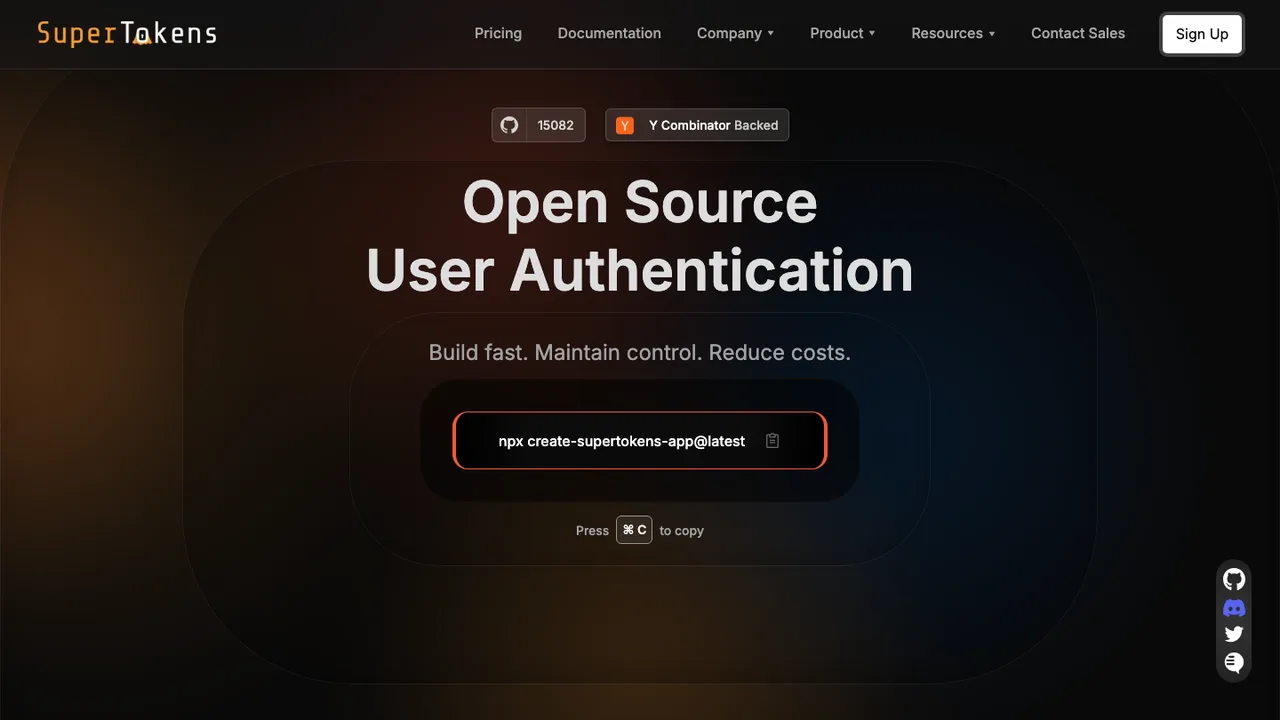
SuperTokens is an open-core authentication provider for adding login and session management to applications. It is positioned as an alternative to proprietary login providers like Auth0 and AWS Cognito, with on-premises deployment so user data stays in your own database.

  • Passwordless, social, email password, and phone password login
  • Session management with signout and session refresh APIs
  • Multi-factor authentication, user roles, and microservice auth
  • Multi-tenancy and organization support for Enterprise SSO
Kubero logo

5.Kubero

4.3kGPL-3.0TypeScript Self-host
Kubero screenshot

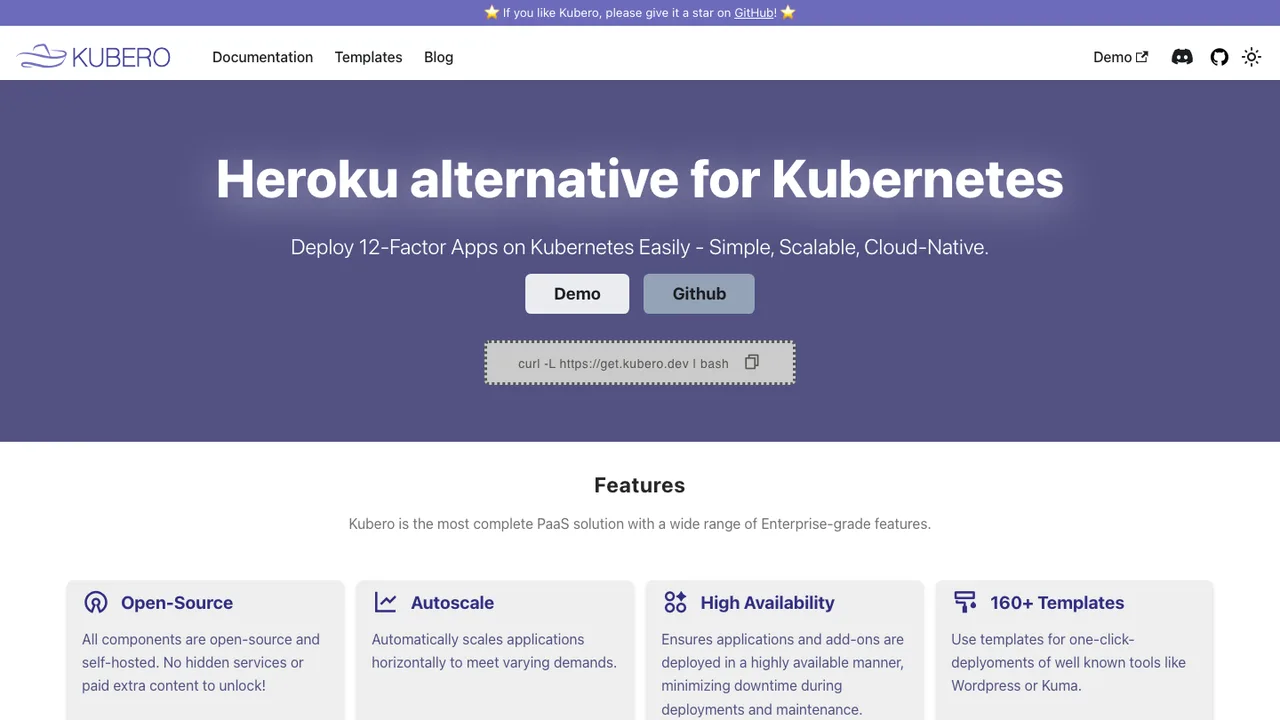
Kubero is a free, open-source, self-hosted PaaS for deploying applications on Kubernetes without specialized Kubernetes knowledge. It follows 12-factor app principles and runs apps from existing containers or source code, giving developers a Heroku-style workflow on a cluster they operate.

  • Deploy containers or source code apps to Kubernetes
  • Docker deployments without Helm charts
  • CI/CD pipelines with up to 4 staging environments
  • GitOps review apps for pull requests
Laudspeaker logo

6.Laudspeaker

2.6kOtherTypeScript Self-host
Laudspeaker screenshot

Laudspeaker is an open source customer engagement, product onboarding, and adoption platform. It helps teams design event-triggered messaging flows for onboarding and re-engagement across push, email, SMS, webhooks, and more. It is an alternative to Braze, OneSignal, Customer.io, Firebase Cloud Messaging, Appcues, and Pendo.

  • Visual journey builder for event-triggered workflows
  • Segments by user attributes, actions, and campaign interactions
  • Push, email, SMS, webhook, and more messaging channels
  • A/B tests and Liquid templating in user journeys
Magistrala logo

7.Magistrala

2.6kApache-2.0Go Self-host
Magistrala screenshot

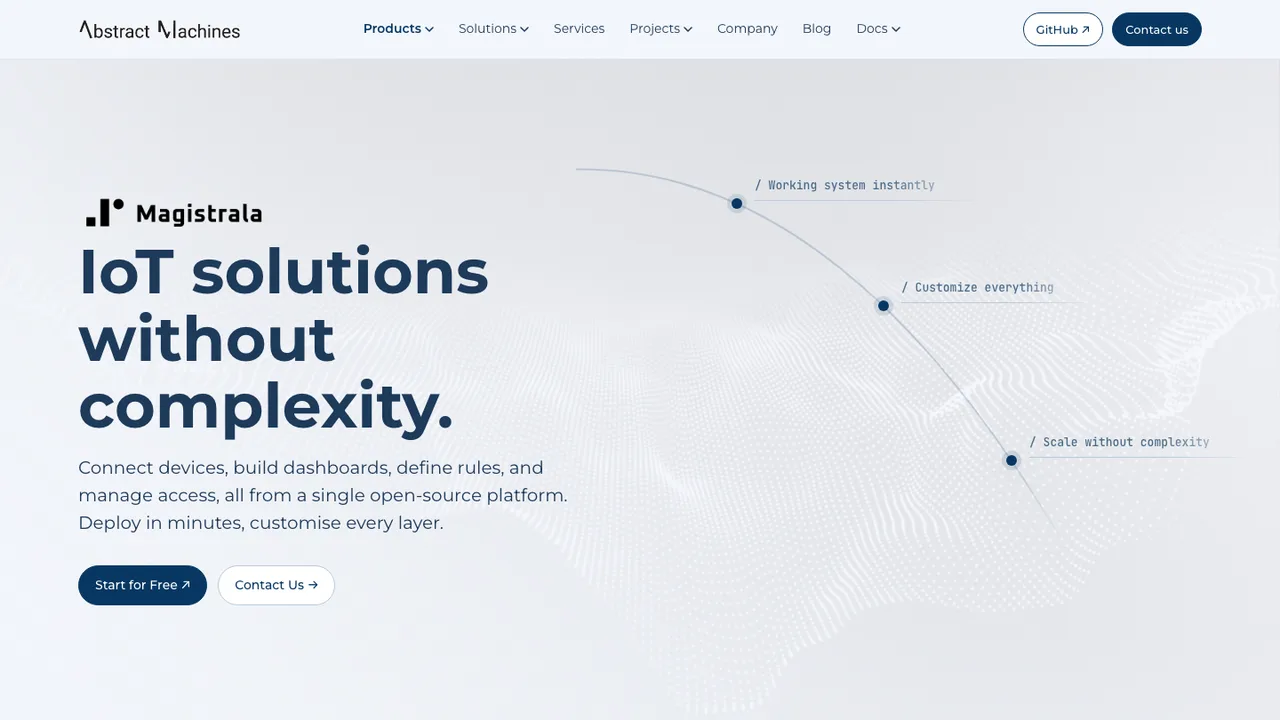
Magistrala is an IoT platform framework that gives engineers a single control plane for devices, users, and data. Rather than stitching together a broker, an auth layer, and a rule engine, you get a coherent system with one consistent model for identity, messaging, and observability.

  • Native MQTT, HTTP, WebSocket, and CoAP connectivity
  • Device provisioning and channel-based message control
  • ABAC and RBAC with multi-tenant domains and access tokens
  • Rules engine with alarms, triggers, and scheduled actions
Medplum logo

8.Medplum

2.4kApache-2.0TypeScript Self-host
Medplum screenshot

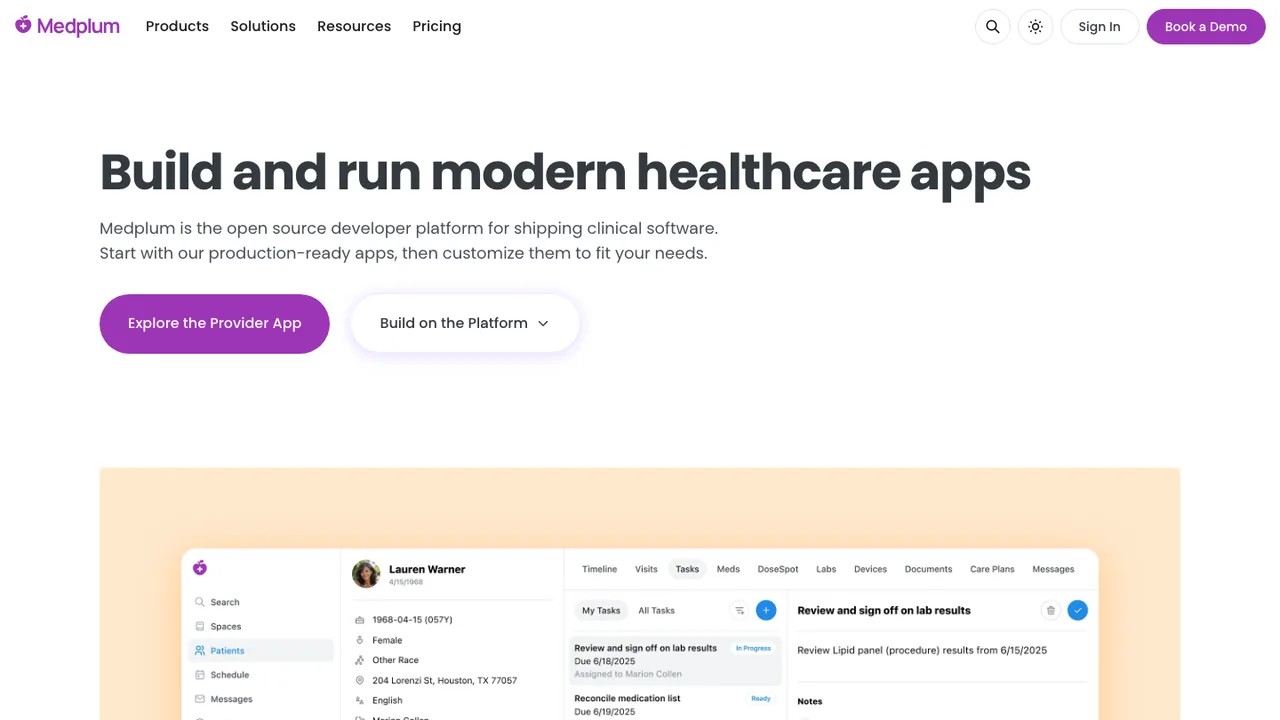
Medplum is a developer platform for building healthcare apps. It bundles identity, clinical data storage, a FHIR API, a web app, server-side logic, SDKs, and React components for teams shipping clinical software.

  • FHIR-based API for clinical data
  • Auth with OAuth, OpenID, and SMART-on-FHIR
  • Clinical Data Repository backend
  • Web app for viewing and editing records
Kuzzle logo

9.Kuzzle

1.6kApache-2.0JavaScript Self-host
Kuzzle screenshot

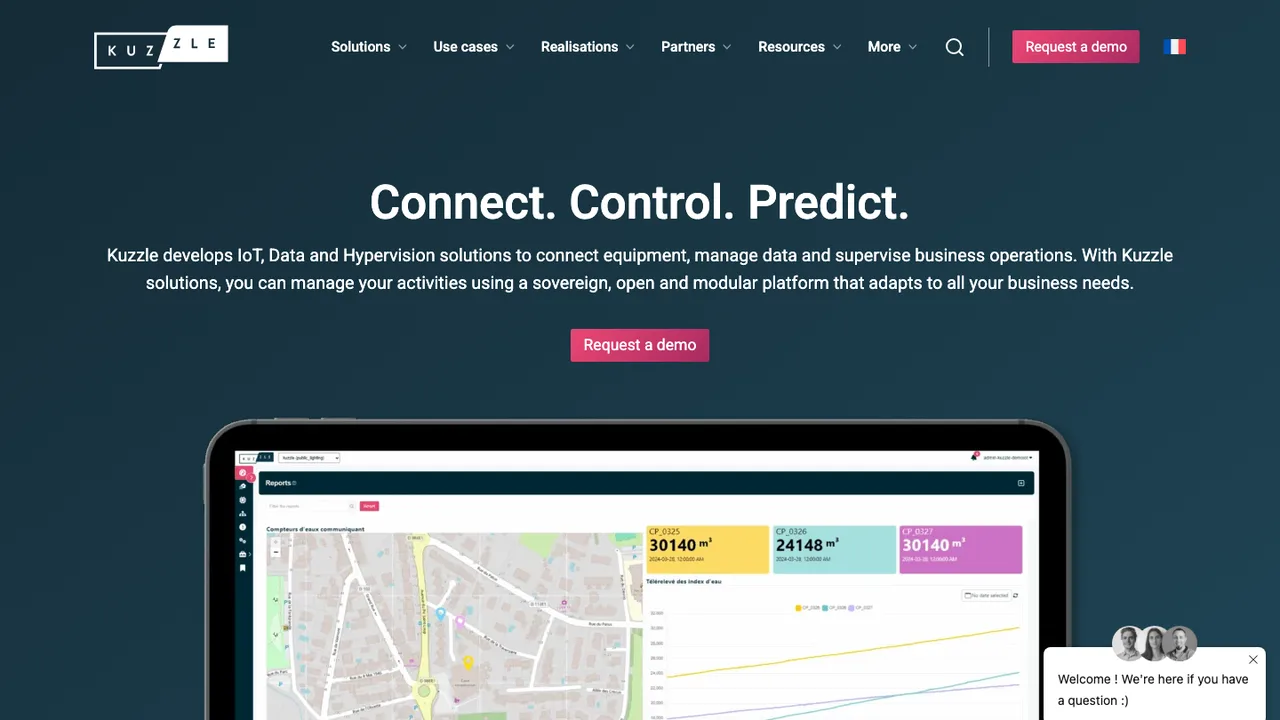
Kuzzle is a ready-to-run backend for IoT networks, web, and mobile apps. Instead of rebuilding the same plumbing for every project, you get authentication, data storage, search, and real-time messaging out of the box and extend them with your own business logic.

  • Multi-protocol API over MQTT, WebSocket, and HTTP
  • Persisted data in Elasticsearch with advanced search
  • Real-time engine with pub/sub and database subscriptions
  • Built-in authentication, roles, and security rules

Related alternatives